
Materials
Compare construction and material choices for electric guitar strings.
STRINGCREST BUYER INSIGHTS
Practical guides for brands, importers, distributors and music retailers planning private-label musical instrument strings.
Start with the material, gauge, tension or fit question behind your next string range.
Compare construction and material choices for electric guitar strings.
Plan an electric string assortment around playing feel and intended use.
Separate classical-guitar tension labels from measured values.
Check bass scale and usable winding length before sampling.
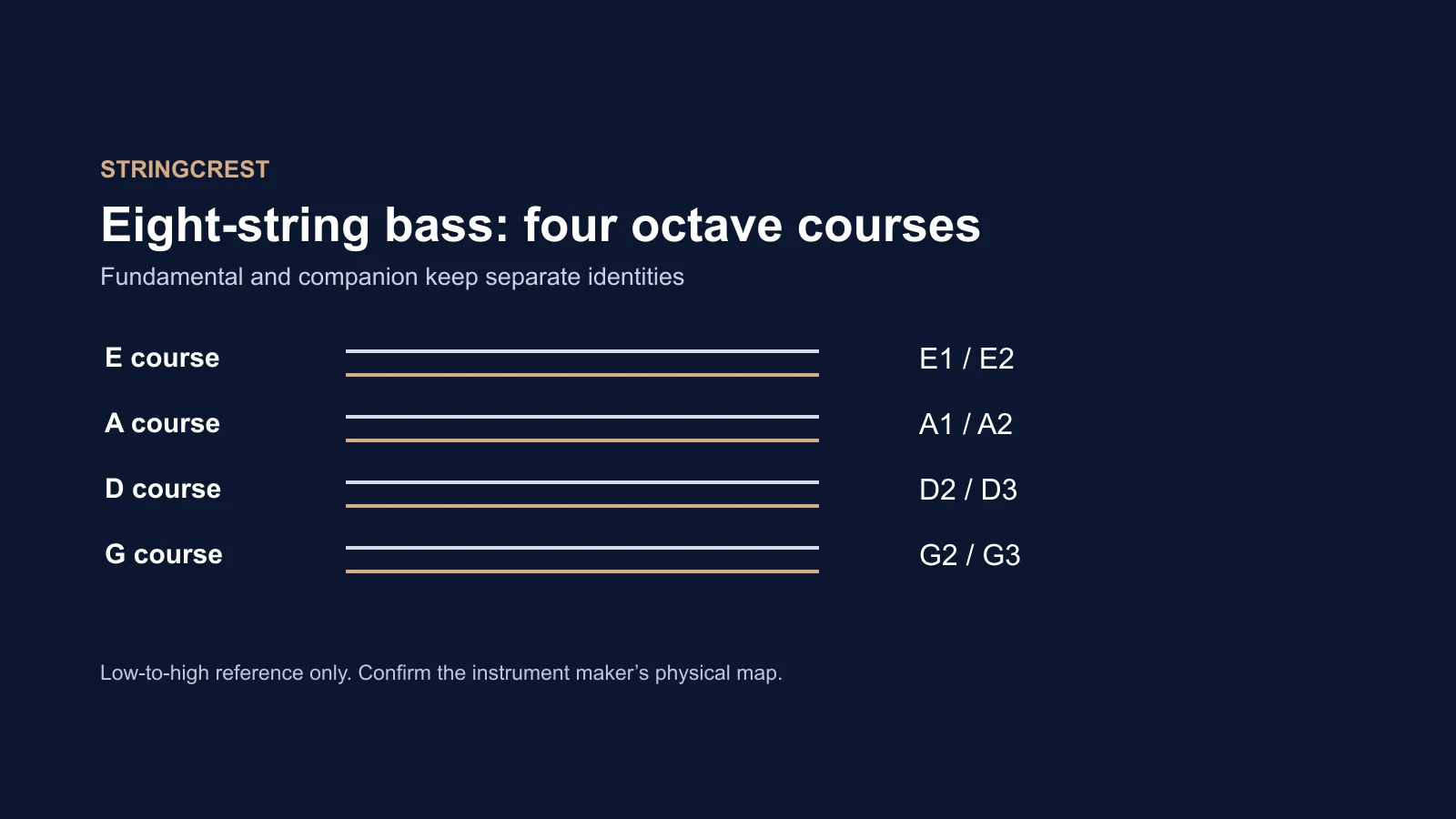
Four bass courses need eight distinct component identities. Separate fundamentals from octave companions, then check each member’s pitch, usable path and replacement reference.
Read the guide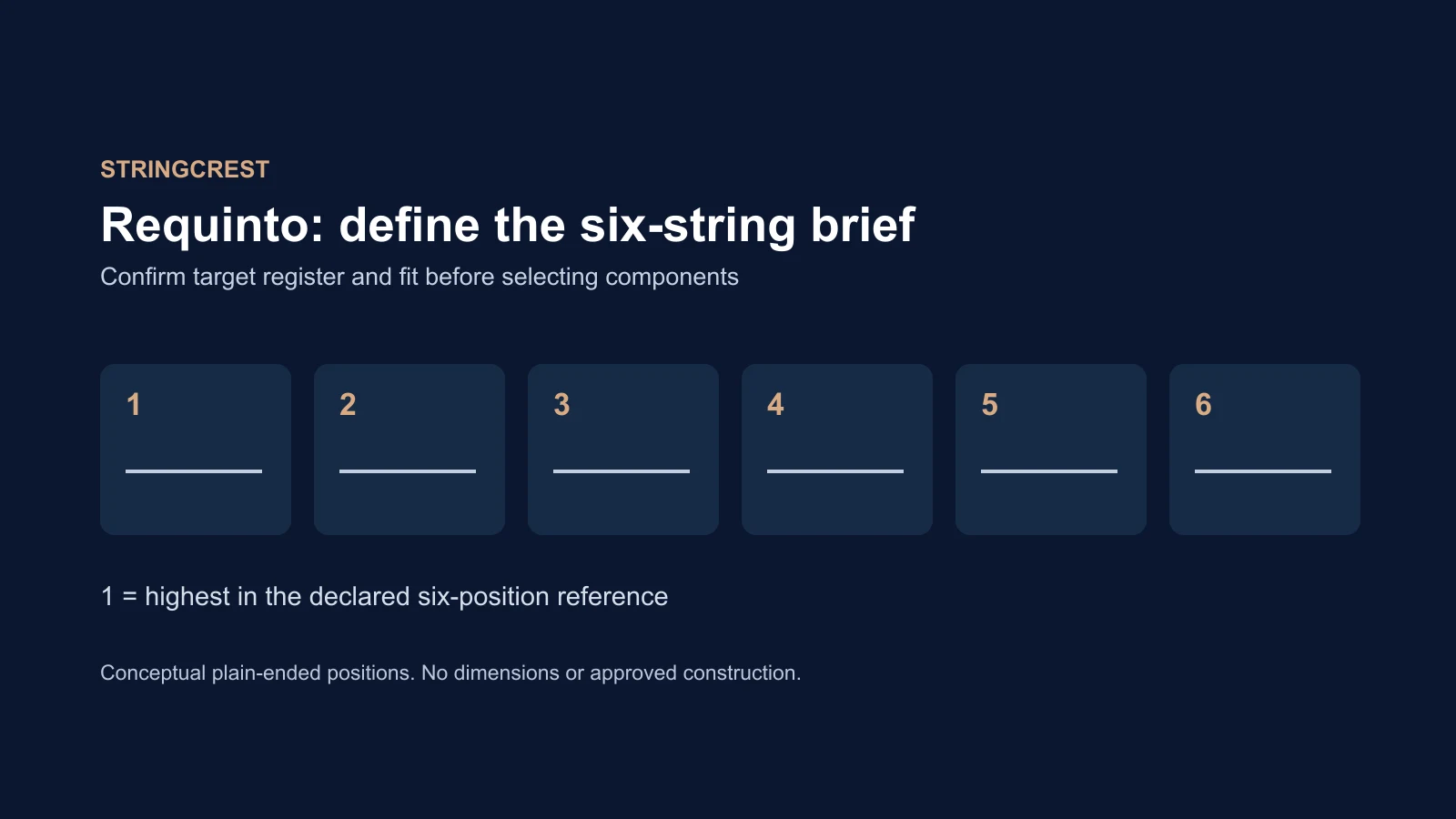
Confirm the six-string nylon application, complete sounding pitches and required path before selecting a requinto set. Small-body labels alone do not establish fit or tuning.
Read the guide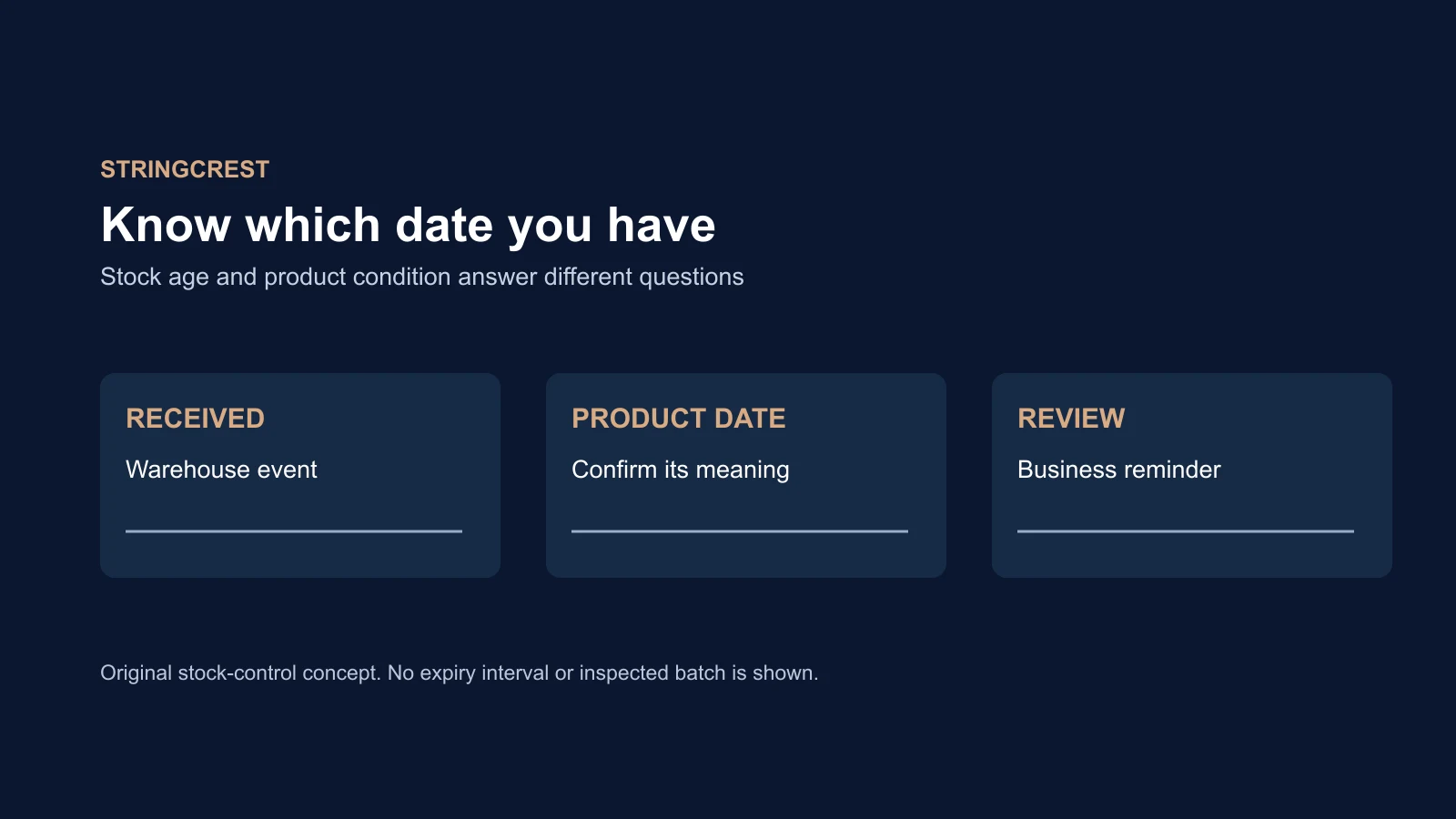
Separate arrival dates, product dates and internal review dates. Use an evidence-based stock-status record to rotate unopened strings and review uncertain or damaged packs.
Read the guide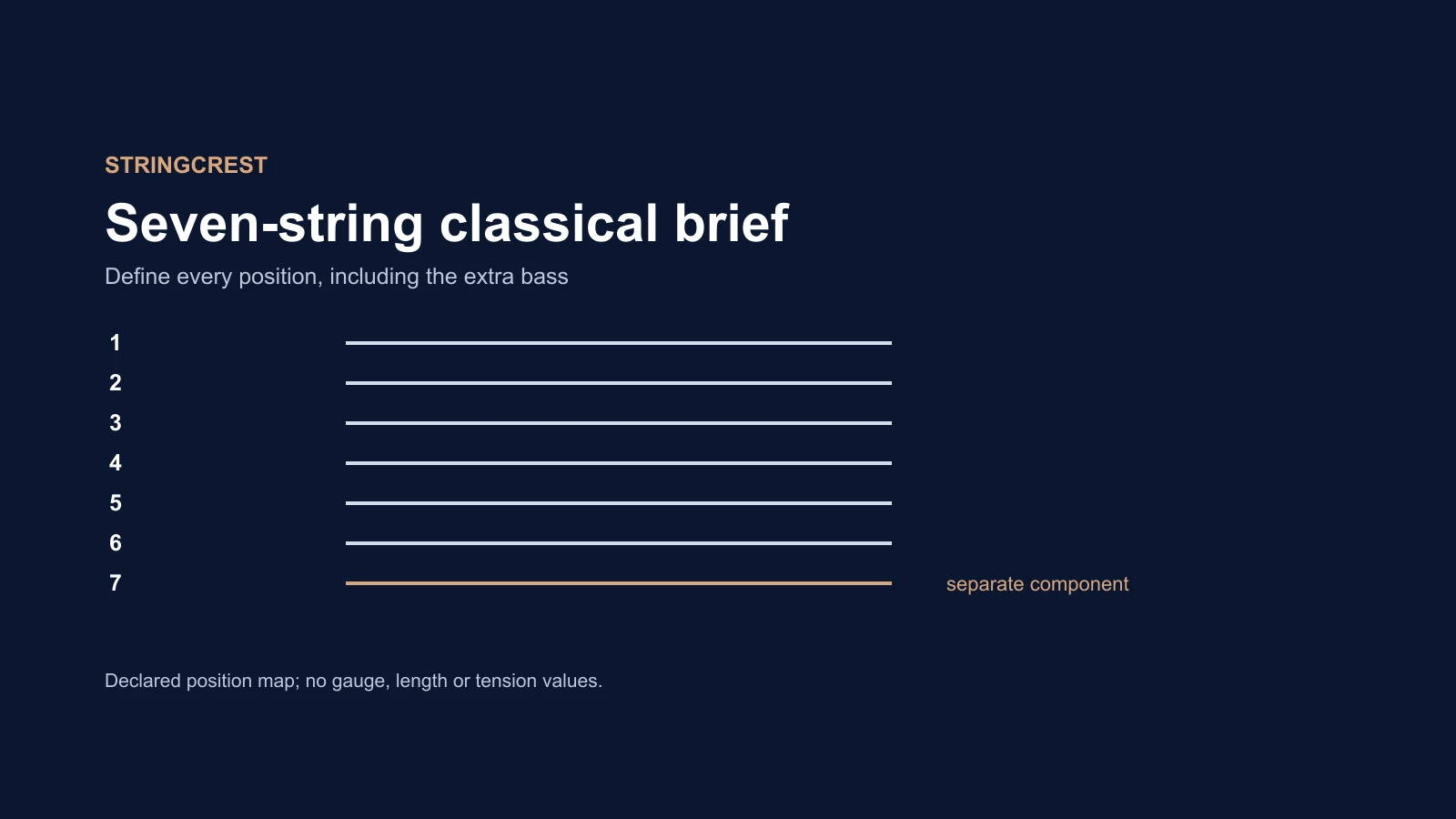
Define the seventh classical component and its six companions before comparing a complete set or a replacement. Includes a seven-position specification record.
Read the guide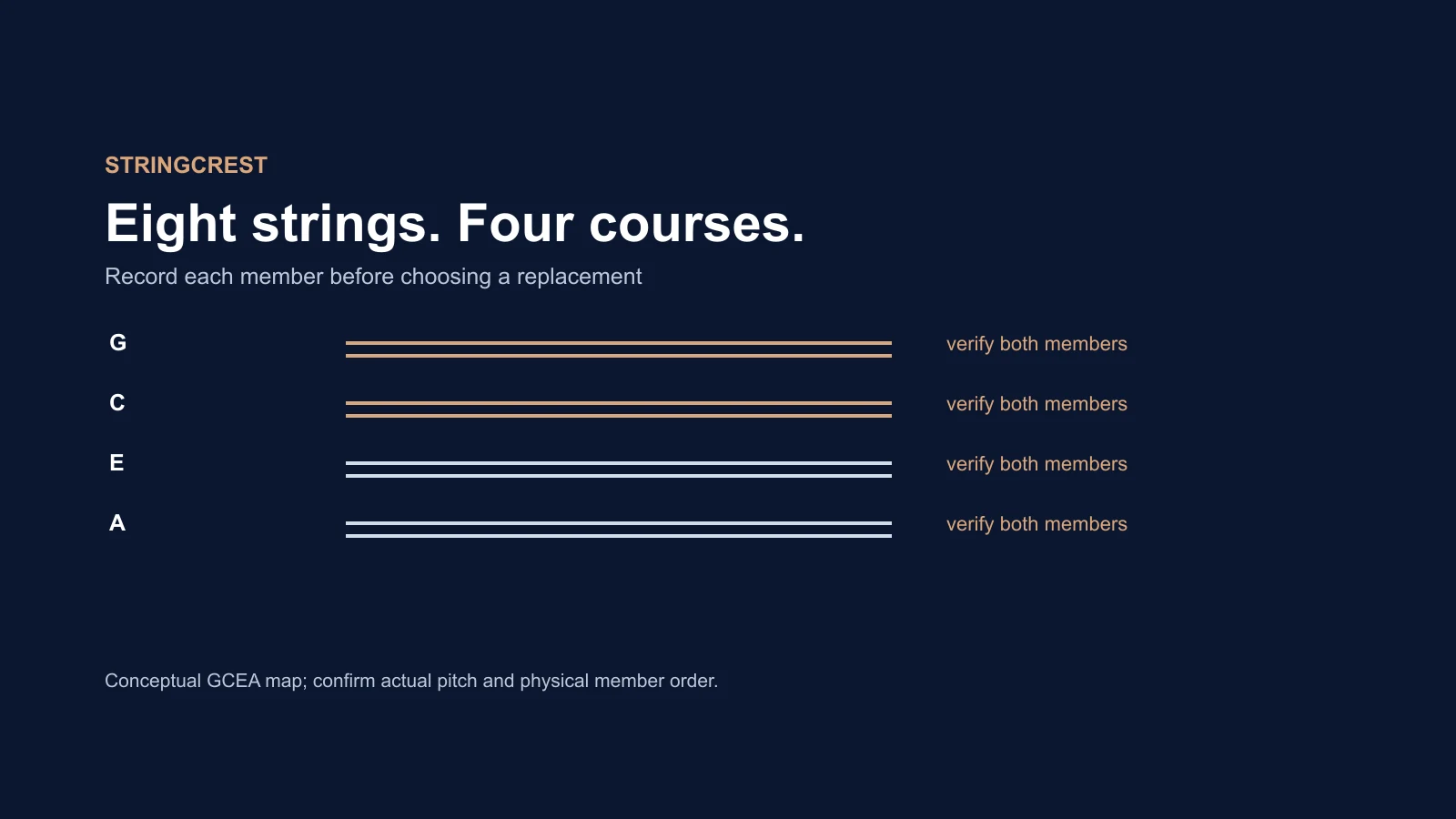
Four courses need eight identifiable members. Record the actual unison or octave pairing before preparing sample packs, single-string replacements and reorder labels.
Read the guide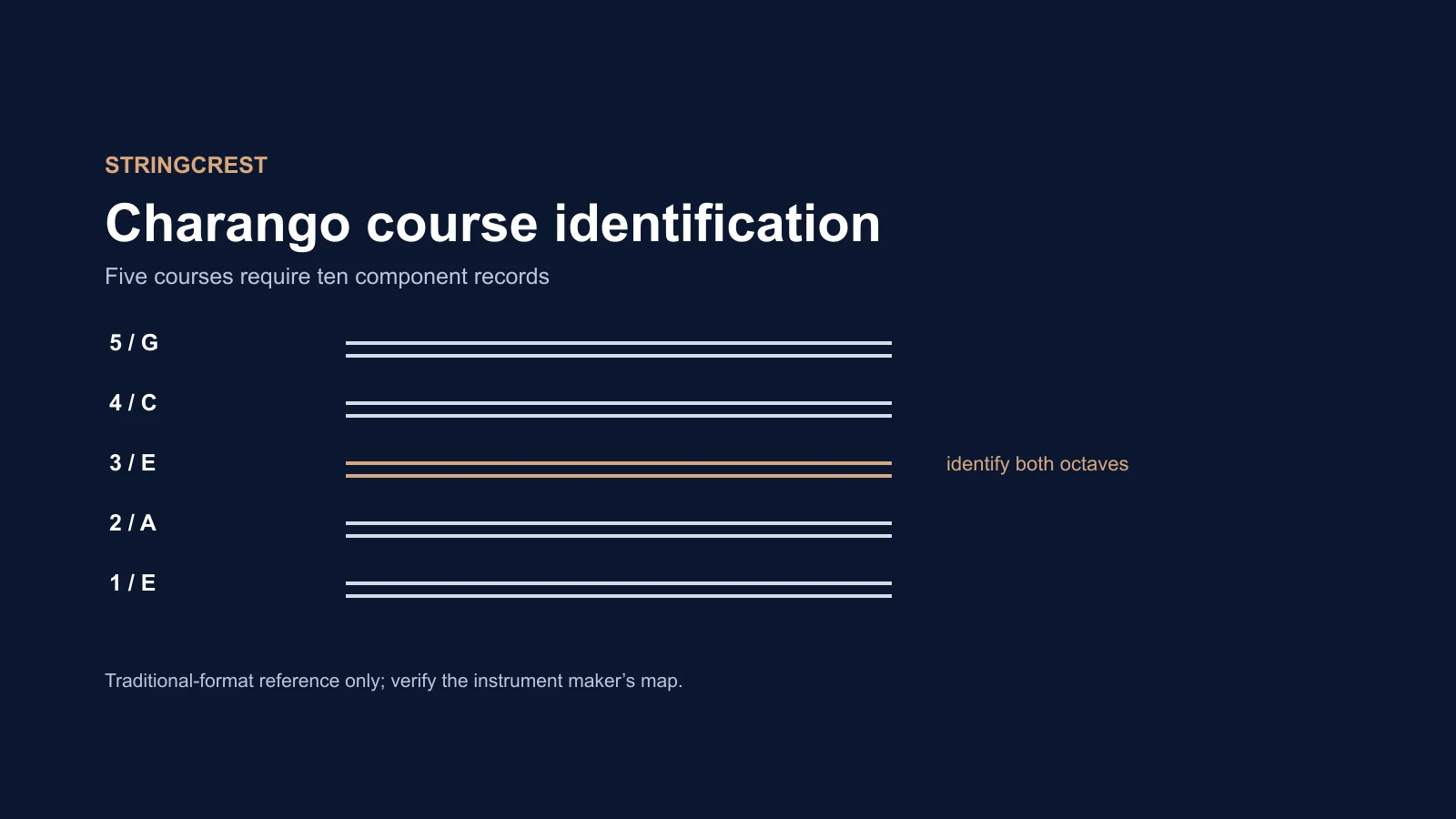
Identify a traditional charango’s five courses and ten members, including the central octave pair, before discussing a replacement or complete-set specification.
Read the guide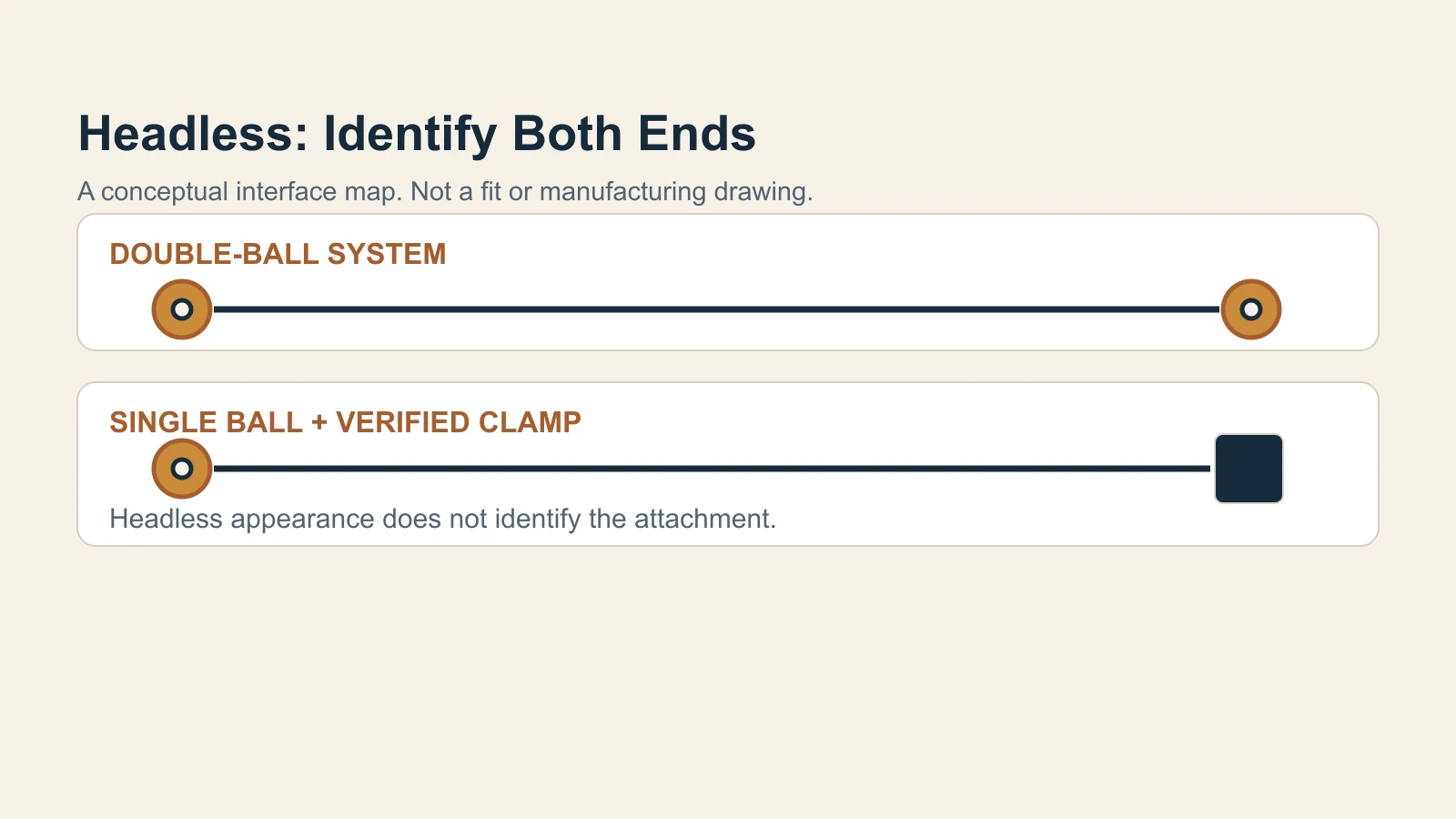
A headless guitar does not identify its string format. Separate two retained balls, a free-end lock and an applicable adapter before defining the fit brief.
Read the guide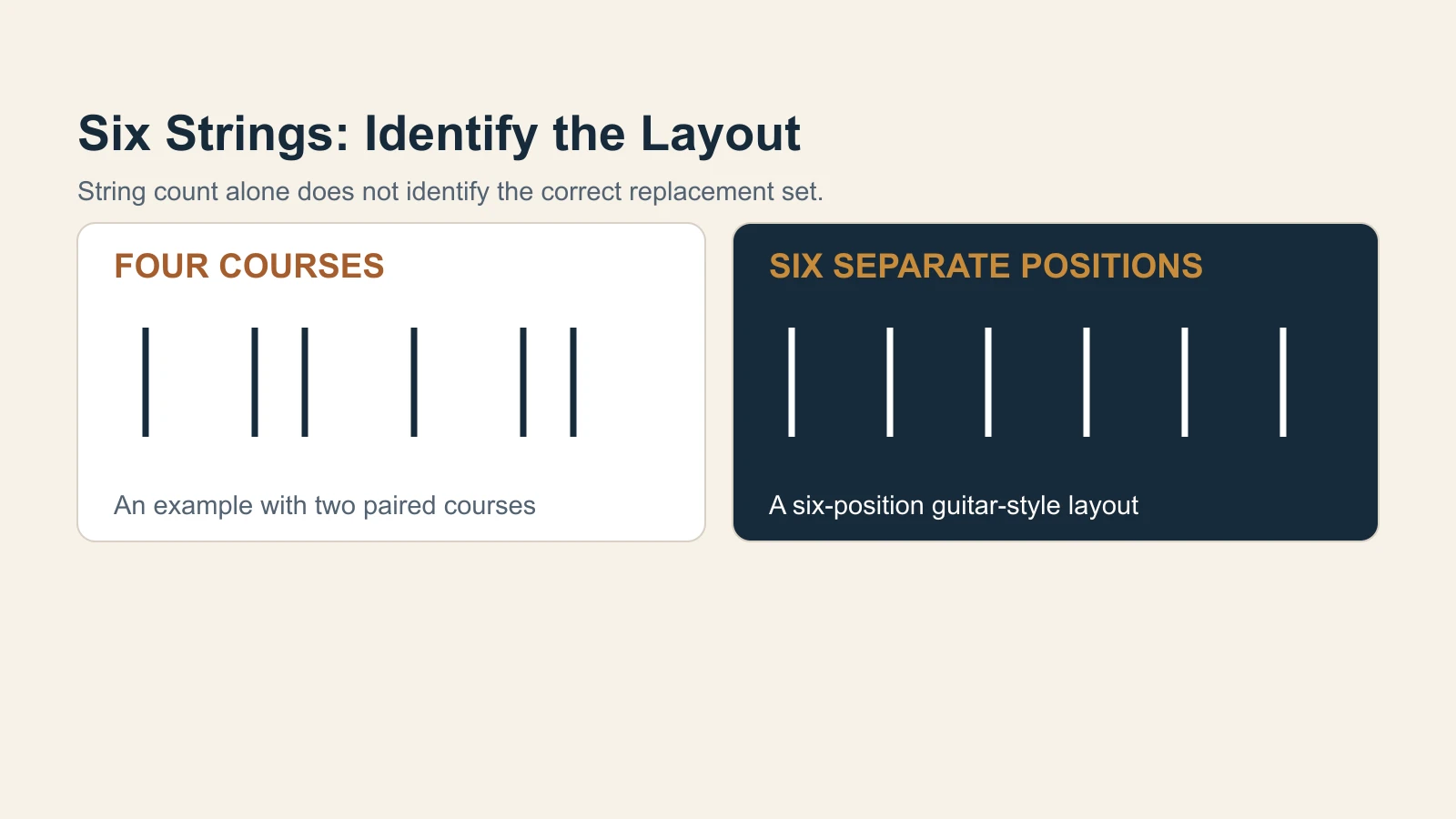
Six physical strings can mean four paired or single courses, or six individual guitar-style positions. Identify the actual model and every component before ordering.
Read the guide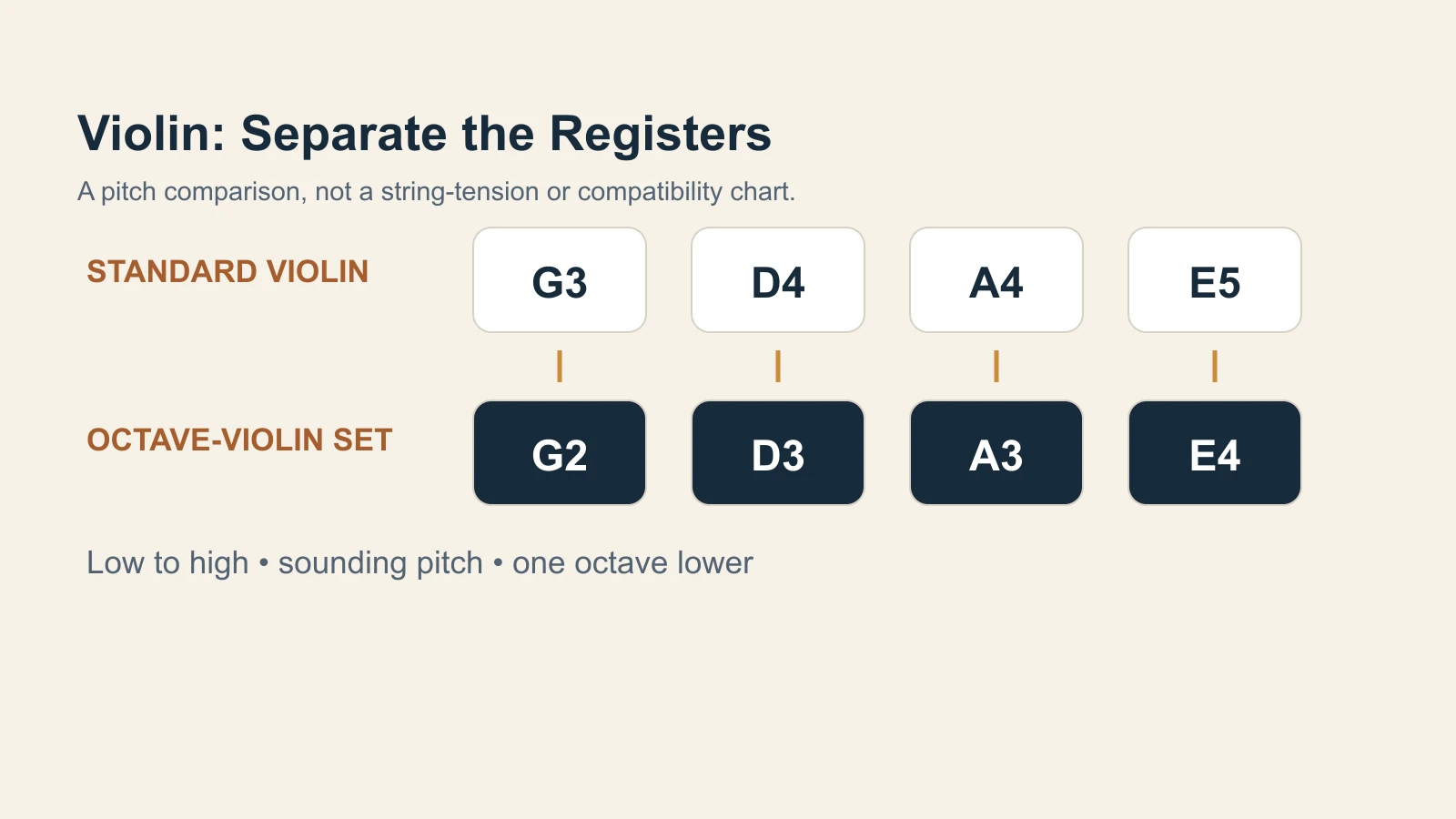
The same G, D, A and E letters can describe different violin registers. Identify purpose-made octave components, then assess the actual setup and trial scope.
Read the guide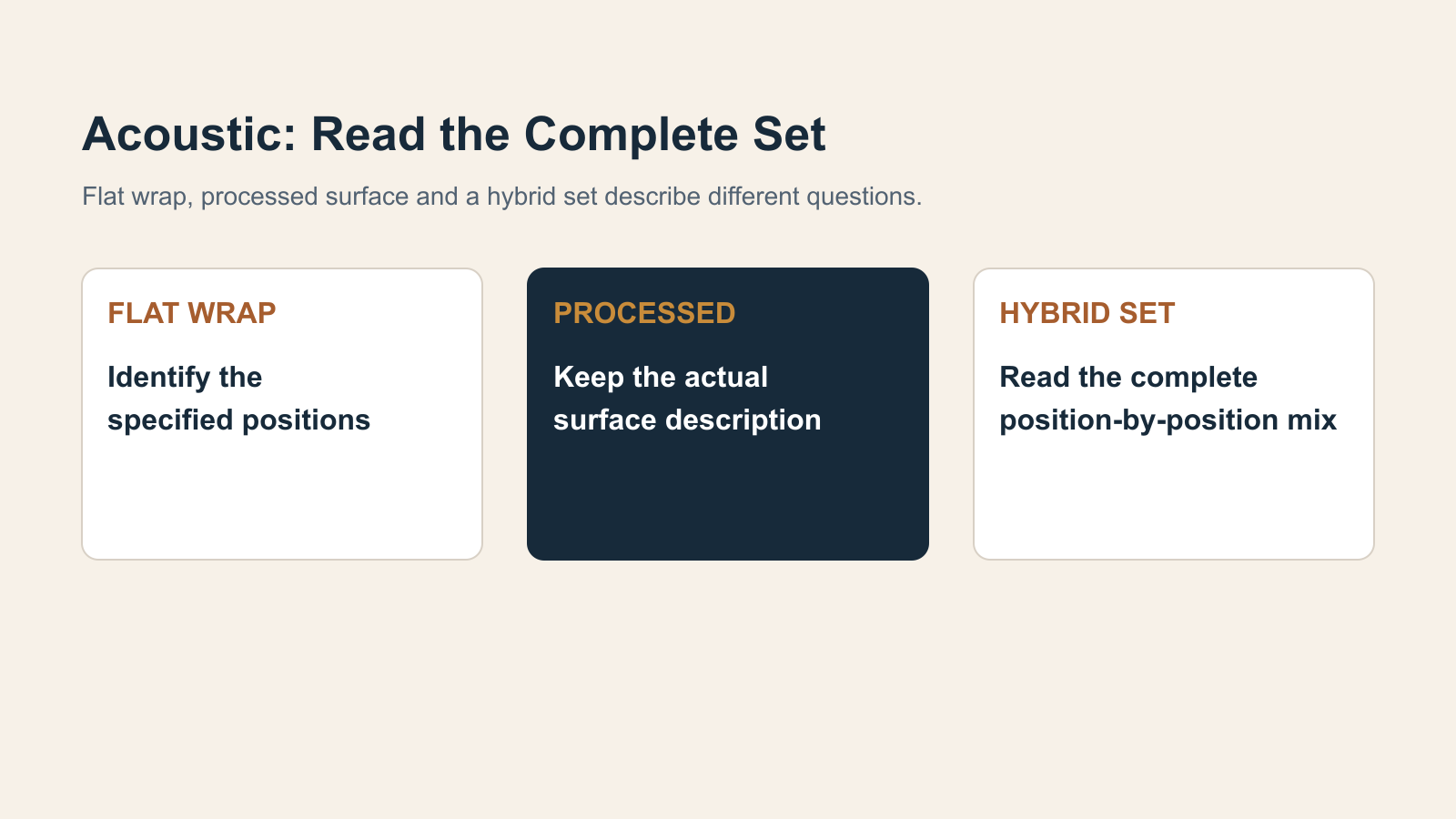
Read the exact wound-position map before treating a hybrid acoustic set, a flatwound construction and a ground-flat surface as the same product.
Read the guide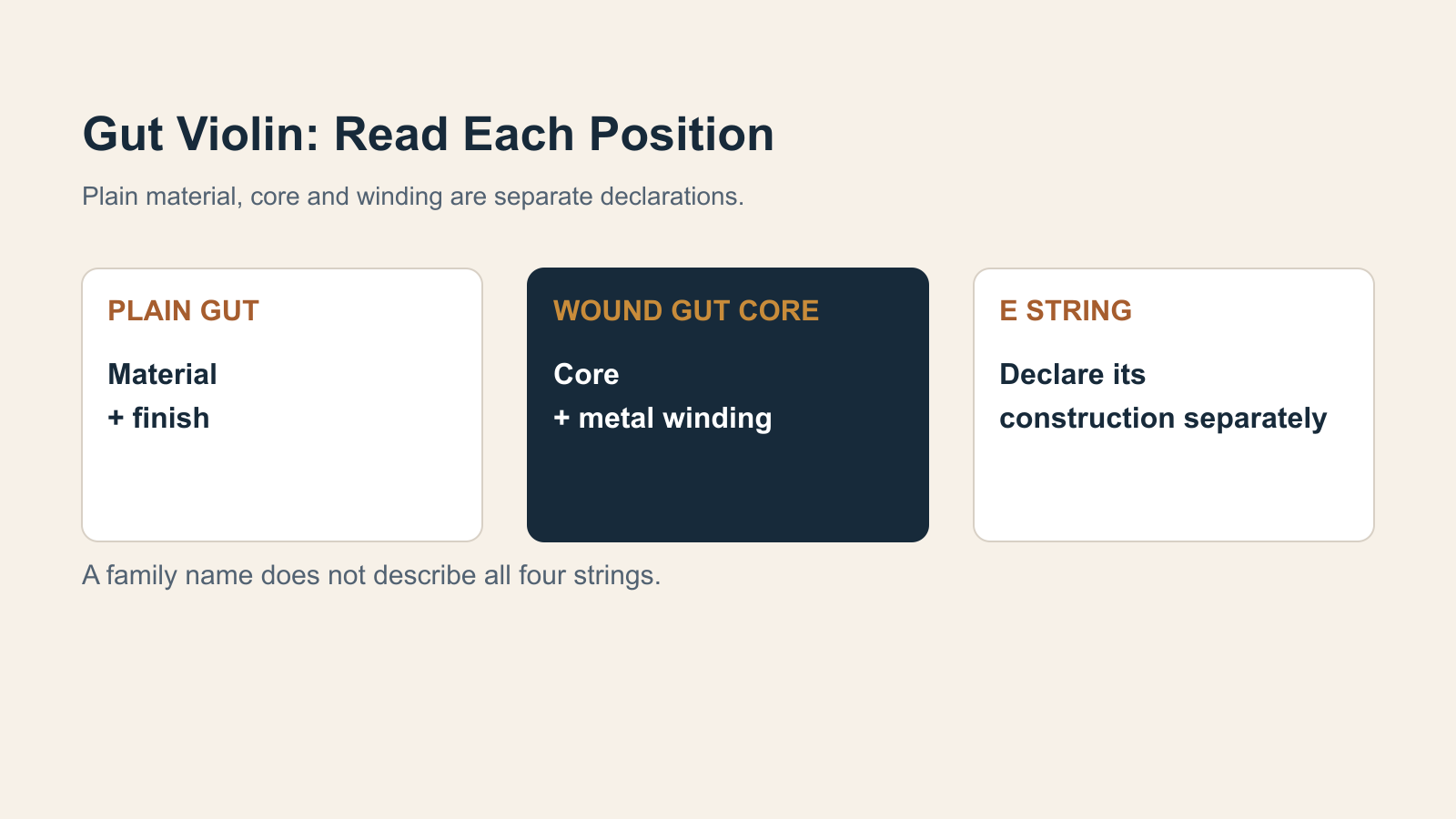
A gut-string family can contain different constructions. Identify plain gut, wound gut core and the exact E before selecting a violin set or replacement.
Read the guide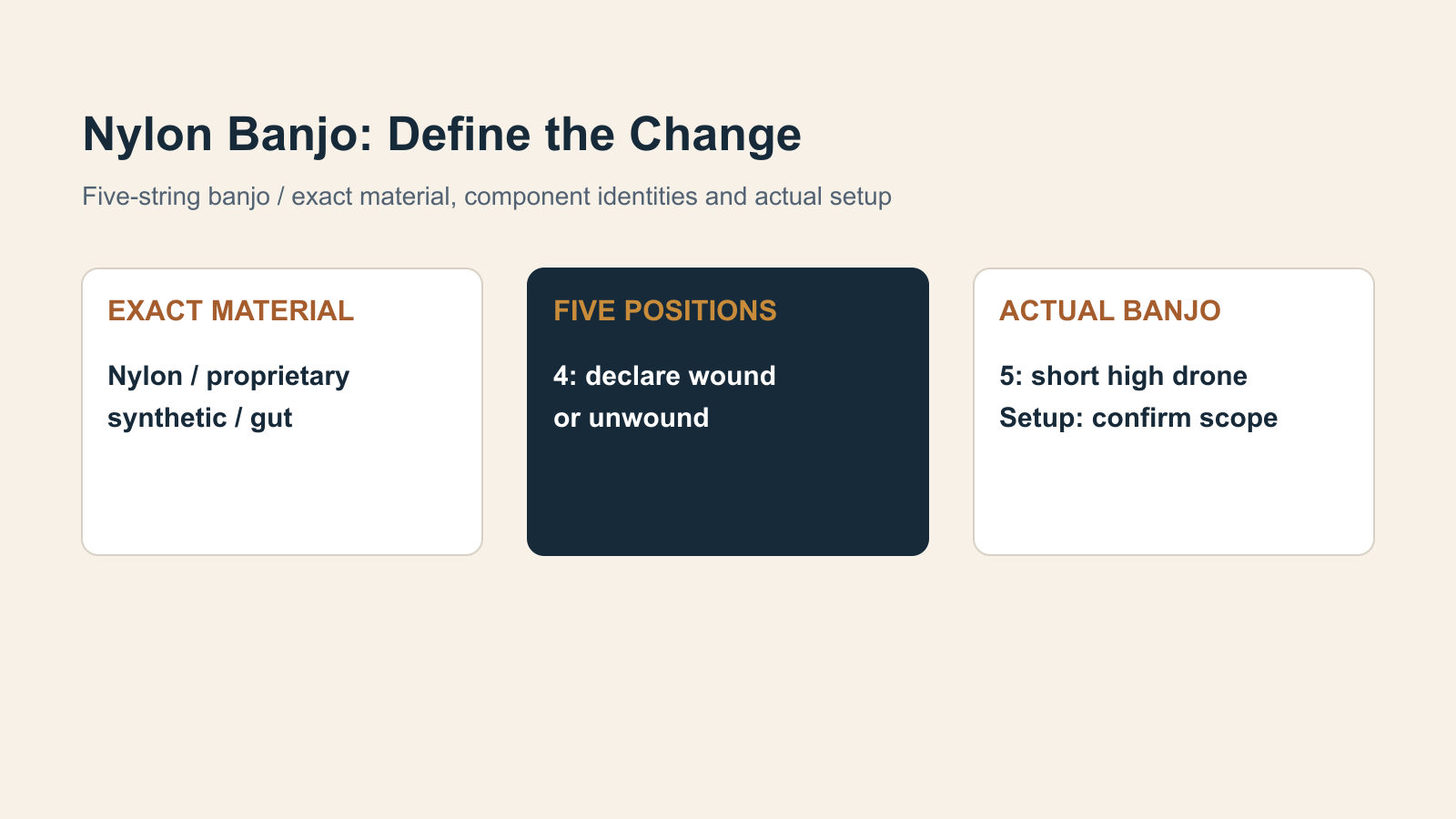
Keep nylon, Nylgut and gut identities separate, map all five positions and resolve the actual instrument’s setup questions before changing from steel.
Read the guide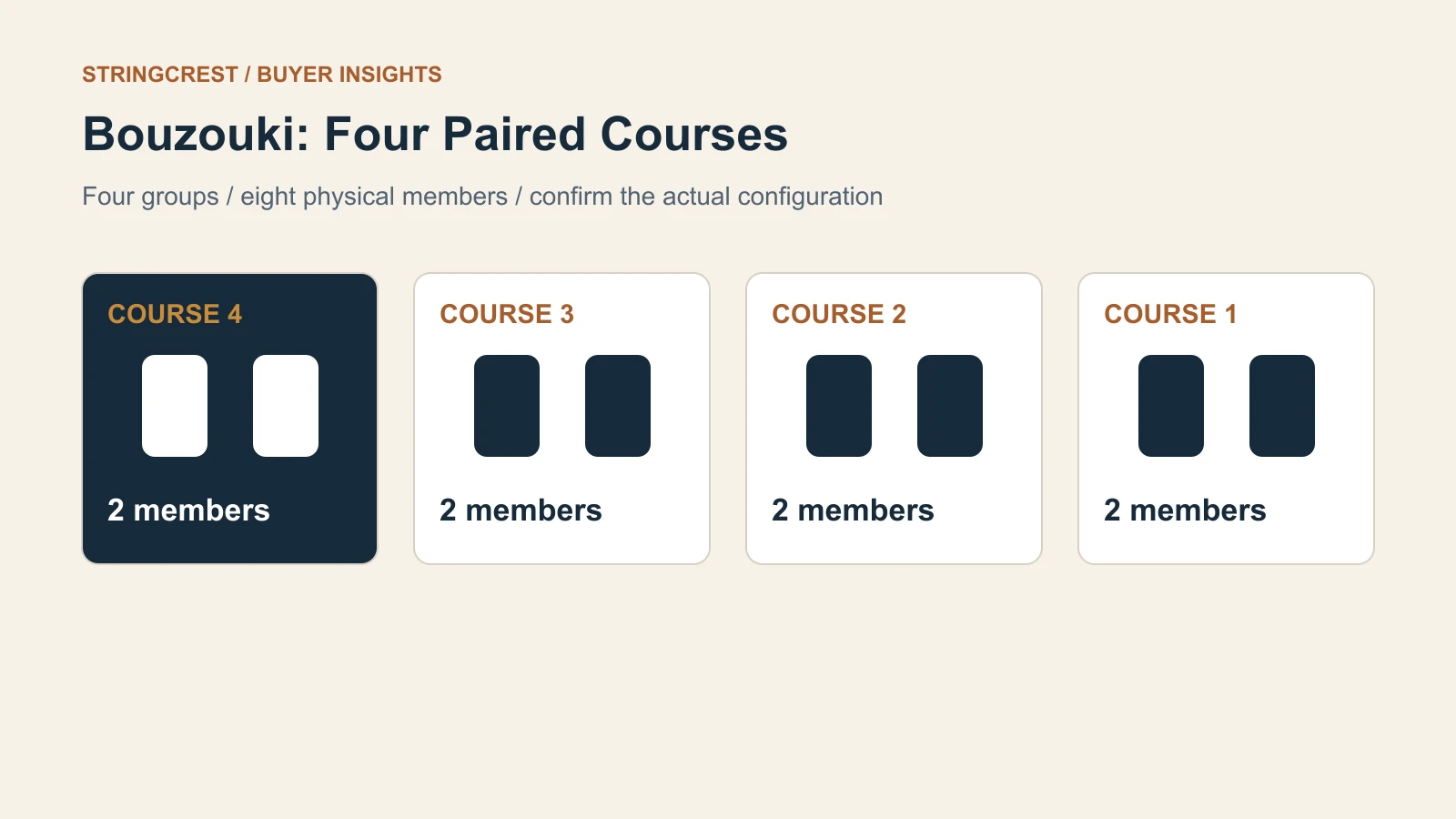
Identify each member of a paired bouzouki course before selecting a set or recommending a replacement single.
Read the guide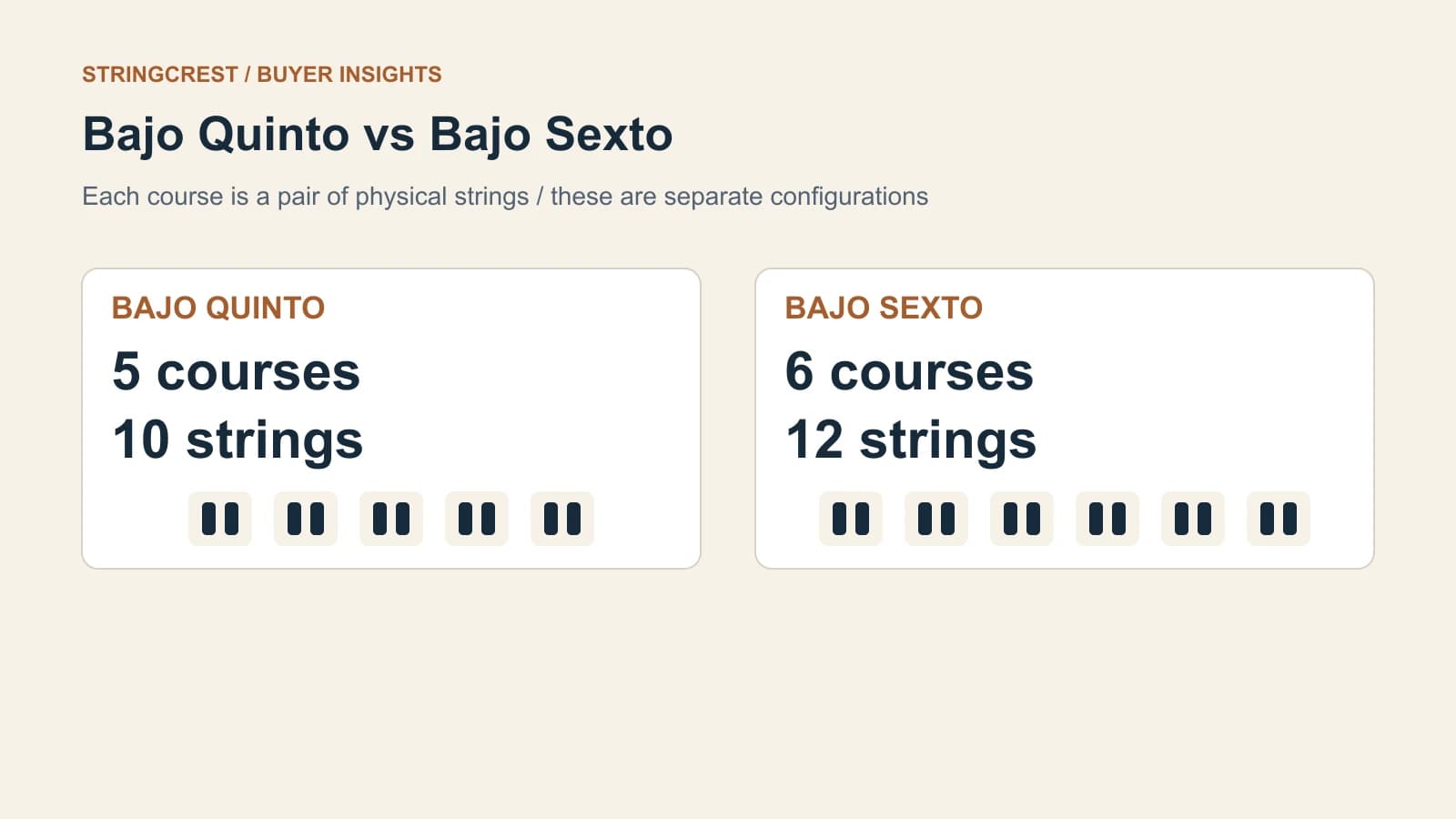
Distinguish ten-string bajo quinto and twelve-string bajo sexto sets by courses and paired-member pitches before choosing replacements or confirming fit.
Read the guide
Identify a banjolele by its maker documentation, then keep material declarations, supplied ends, tailpiece requirements and four octave pitches together before selecting replacement strings.
Read the guide
A practical conversion table and measurement worksheet for clearer guitar string specifications and receiving checks.
Read the guide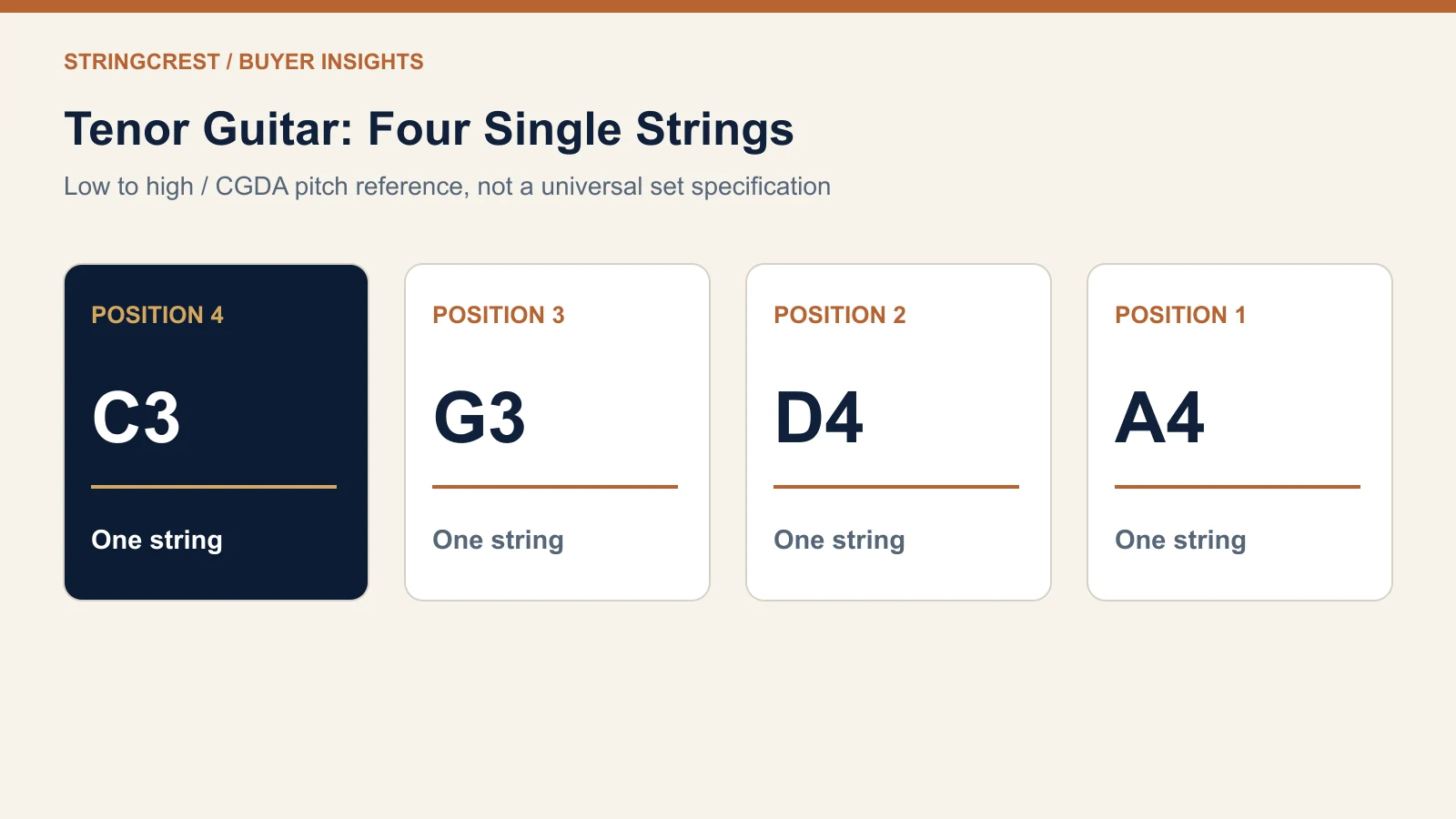
A dealer guide to identifying four-string tenor-guitar tuning requests and recording the actual instrument, four octave pitches, component identities and fit requirements before choosing a set.
Read the guide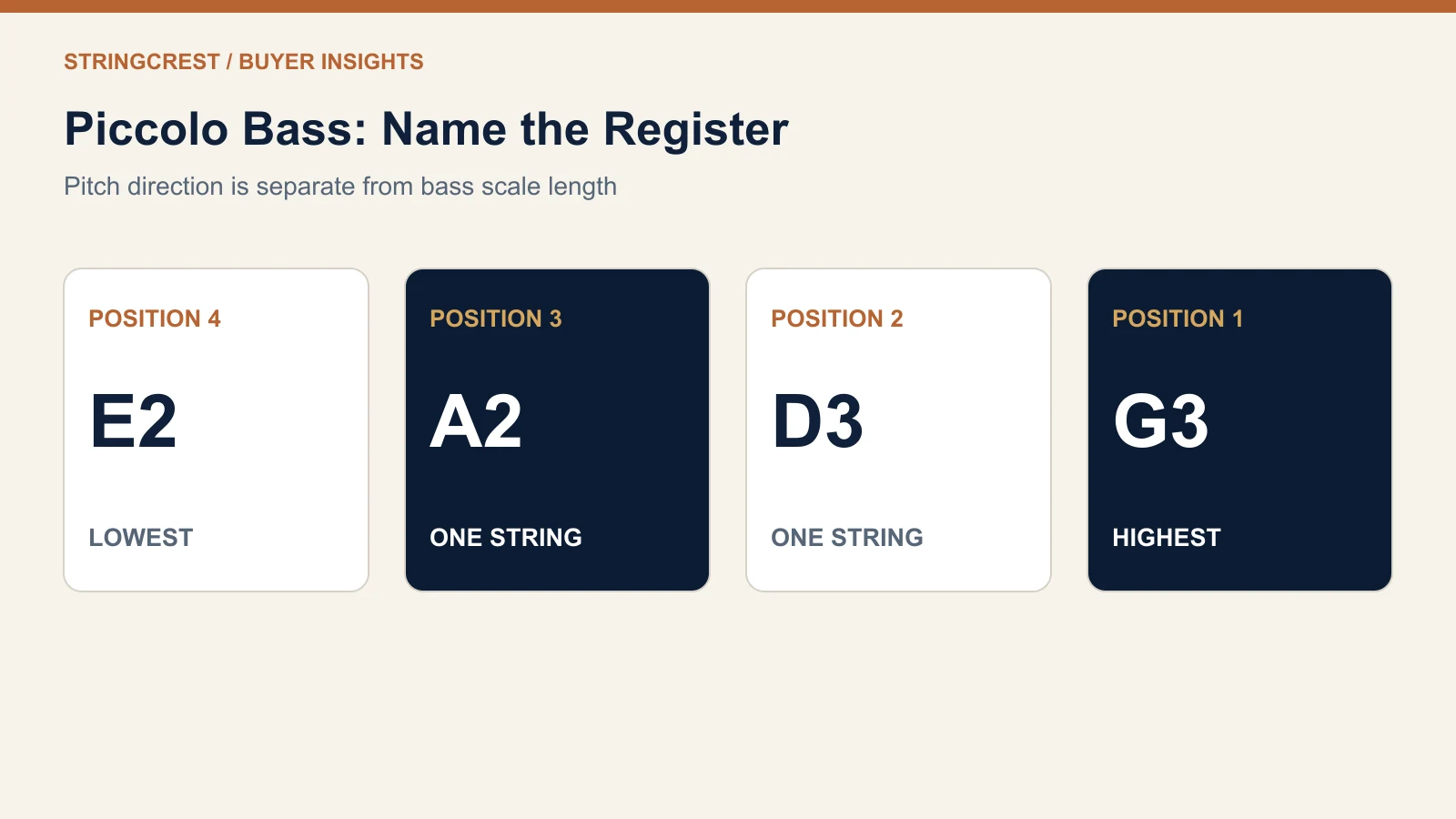
Separate an octave-up piccolo request from short-scale or high-C bass strings, then record the proposed components, actual bass fit and setup questions.
Read the guide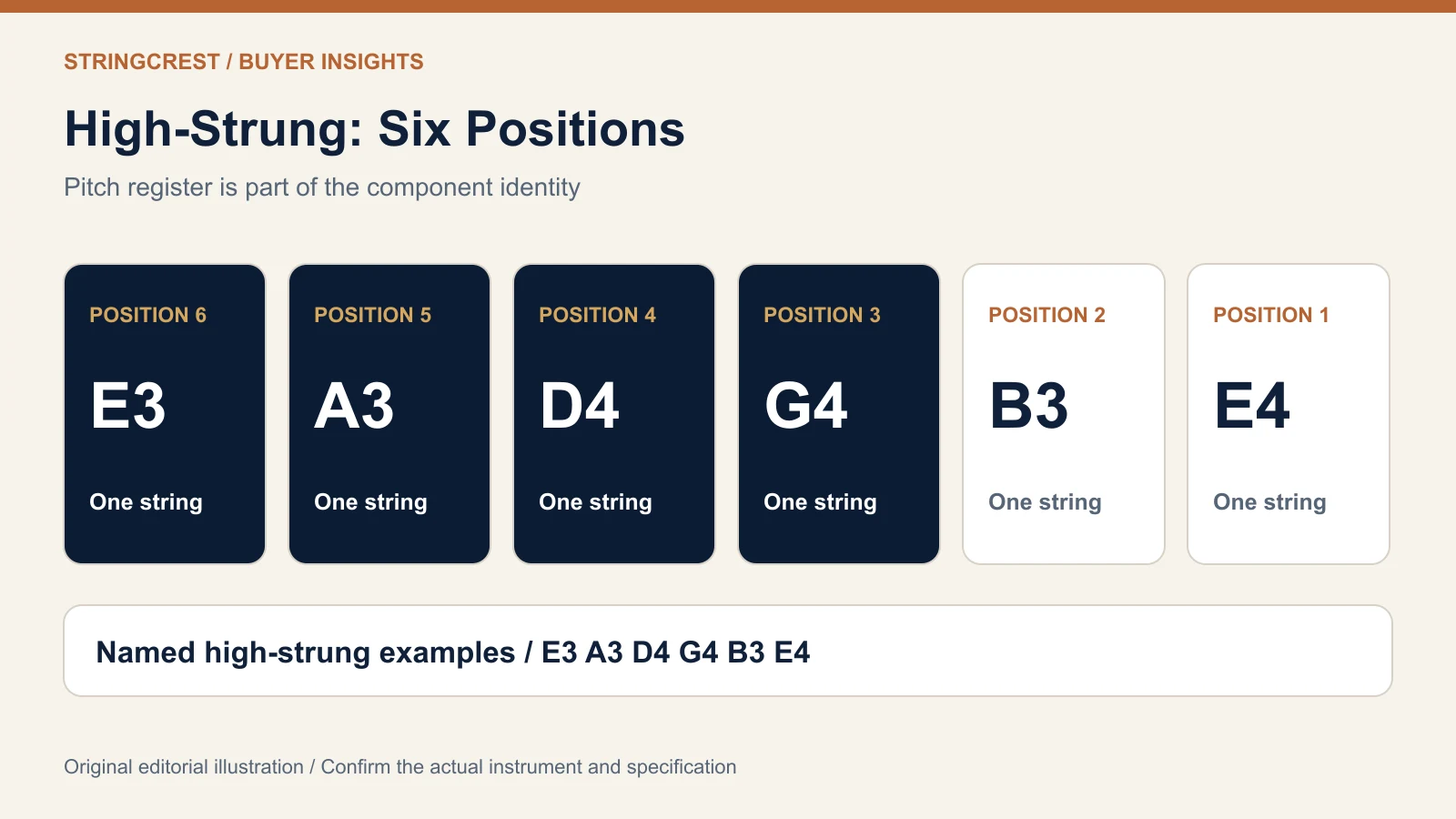
Turn a high-strung enquiry into a complete six-position candidate and a clearer dealer packet.
Read the guide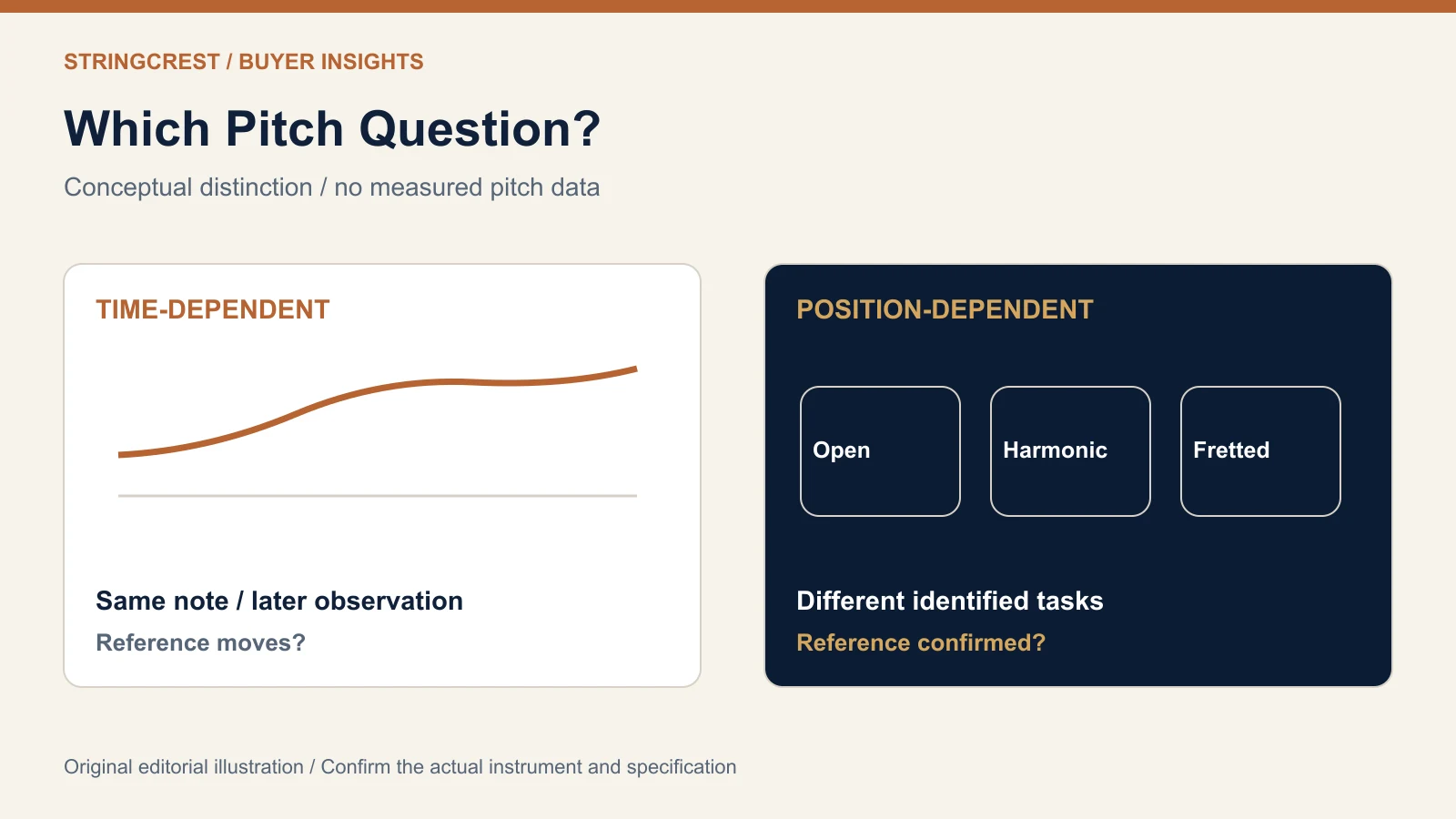
A service-desk framework for pitch discrepancies across fretted positions after a string change.
Read the guide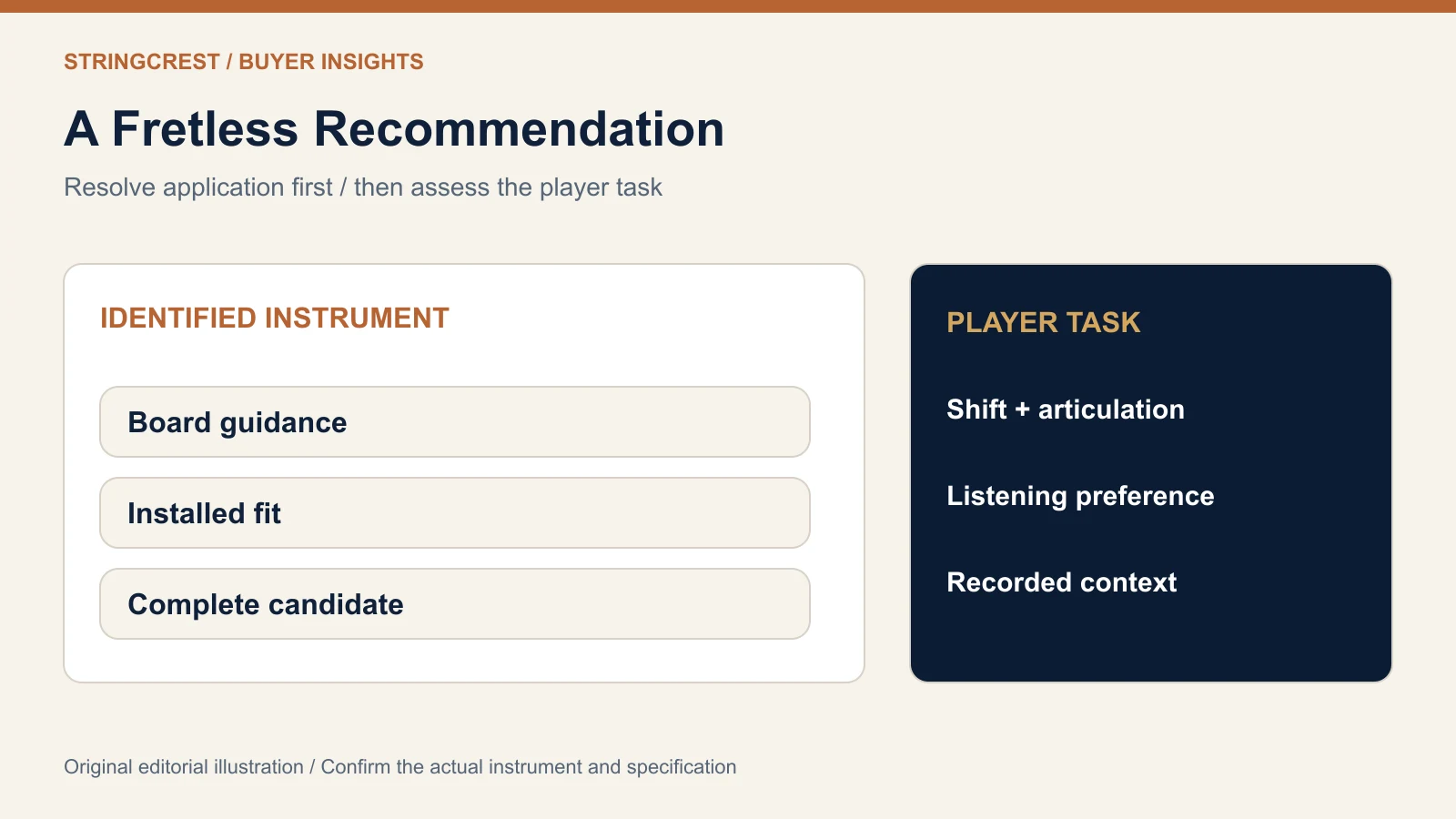
Connect fretless instrument requirements to a candidate surface and an explainable dealer recommendation.
Read the guide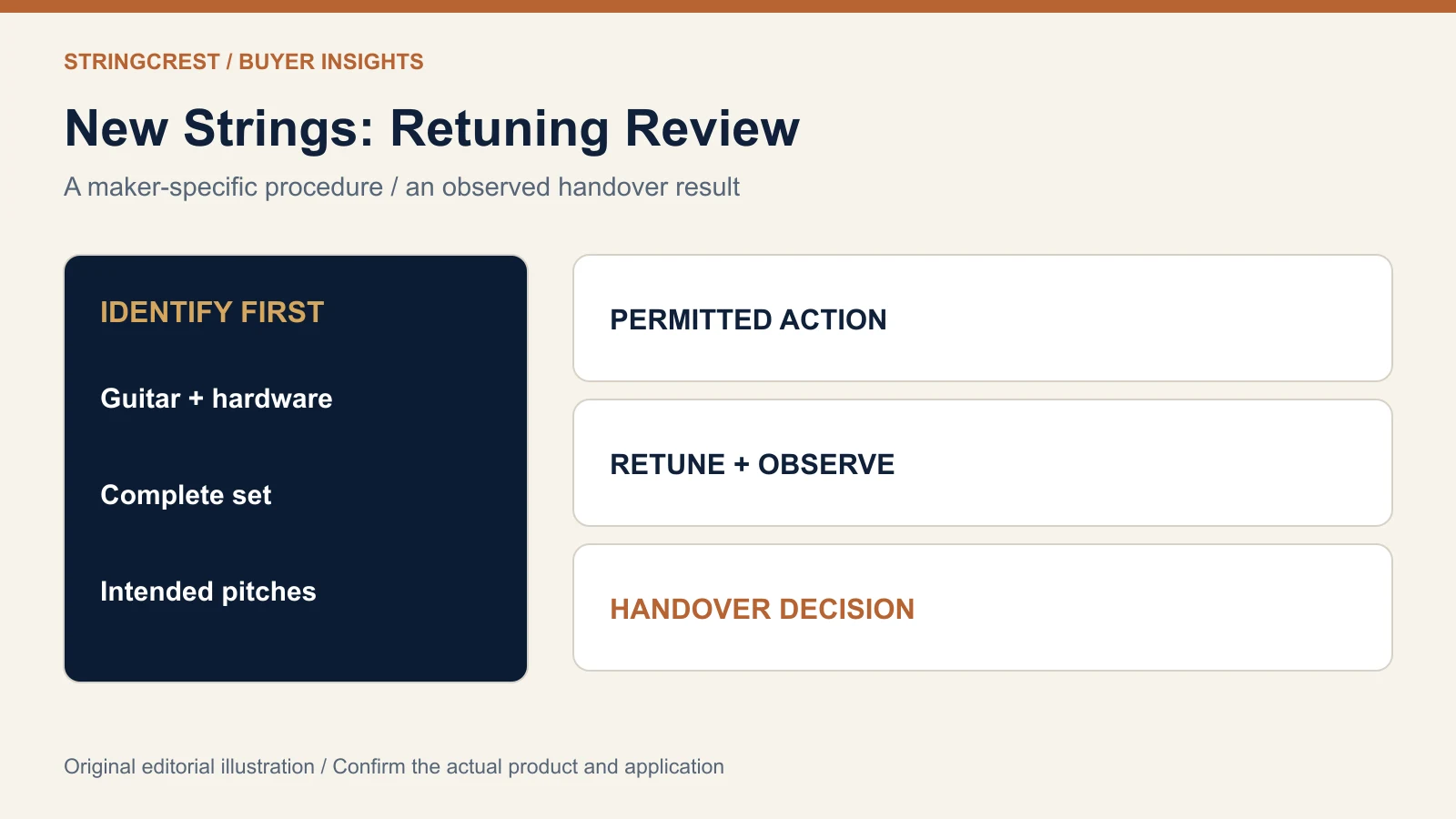
A dealer process for checking newly installed strings, routing retuning concerns and preparing customer instructions.
Read the guide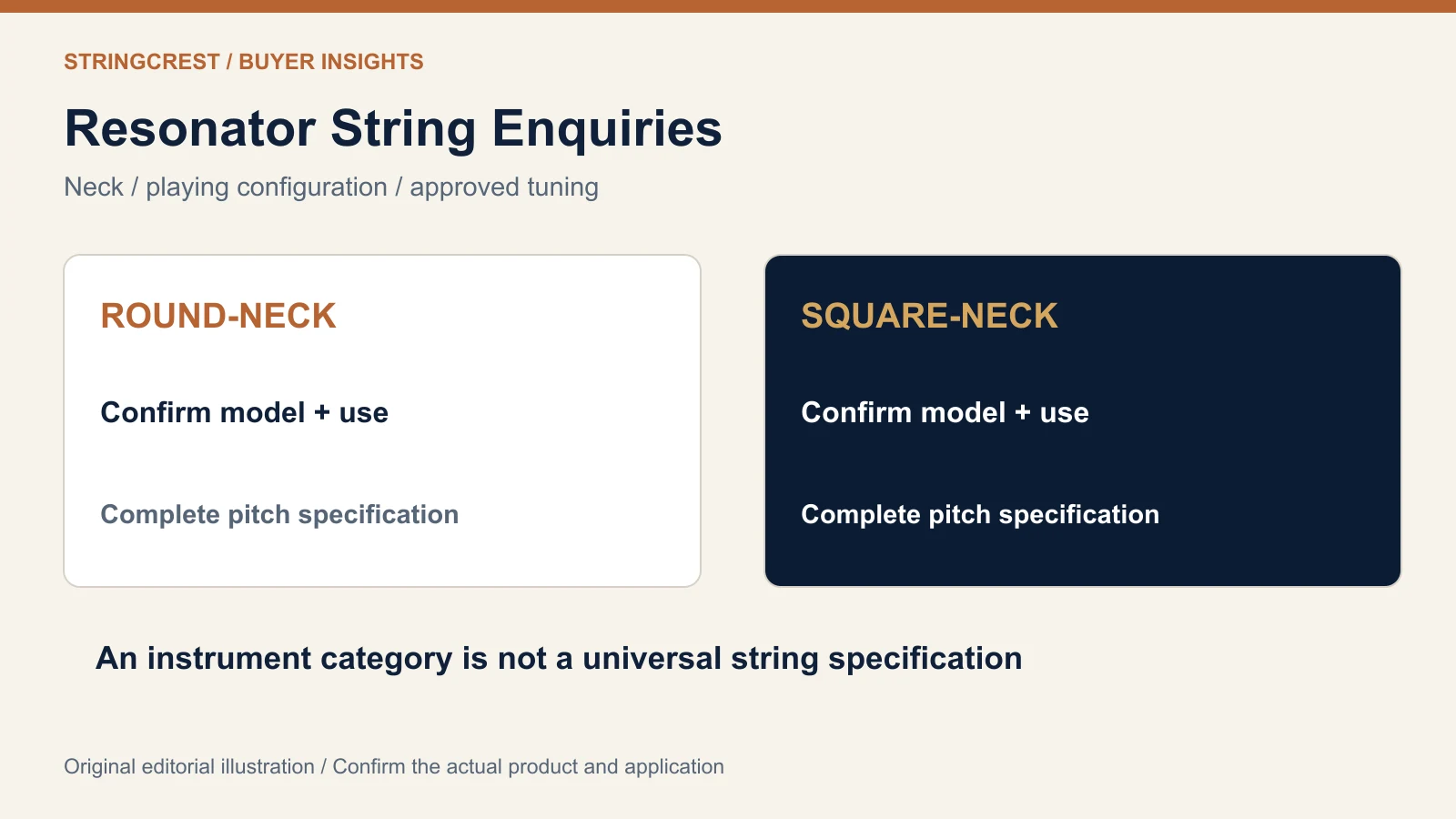
A specialist buying decision for instrument identity, tuning scope and a supplier brief that can be reviewed.
Read the guide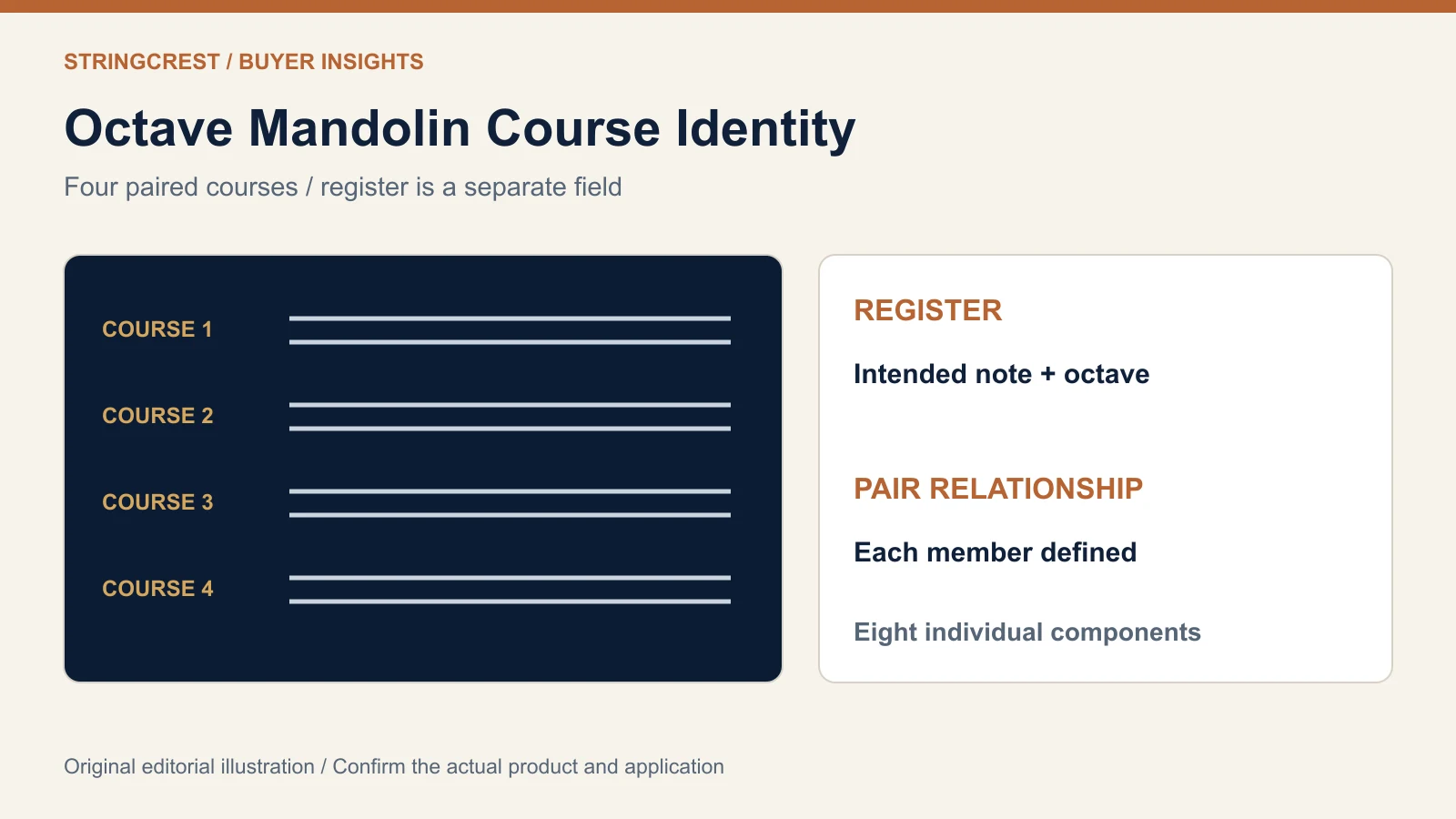
A dealer and importer guide to lower-register family identity, complete course-member records and fit enquiries.
Read the guide
A practical guide to permitted care methods, replacement decisions, dealer care cards and after-sales records.
Read the guide
A dealer decision path for cross-family replacements, acoustic-electric instruments and distinct wholesale range identities.
Read the guide
An electric-guitar dealer guide to surface construction, relevant playing demonstrations and evidence-led range descriptions.
Read the guide
Turn beginner string questions into a traceable recommendation, sample and replenishment plan for retailers and education suppliers.
Read the guide
A dealer intake process that distinguishes noise, configuration changes, installation and instrument assessment before assigning a string defect.
Read the guide
Separate component fit, pairing preference and product claims when selecting violin E-string singles or reviewing complete-set applications.
Read the guide
A dealer intake and supplier-review framework that separates installation, instrument contact, service history and product identity.
Read the guide
Build a position-by-position engineering and sample brief without confusing similar calculated tension with identical playing feel.
Read the guide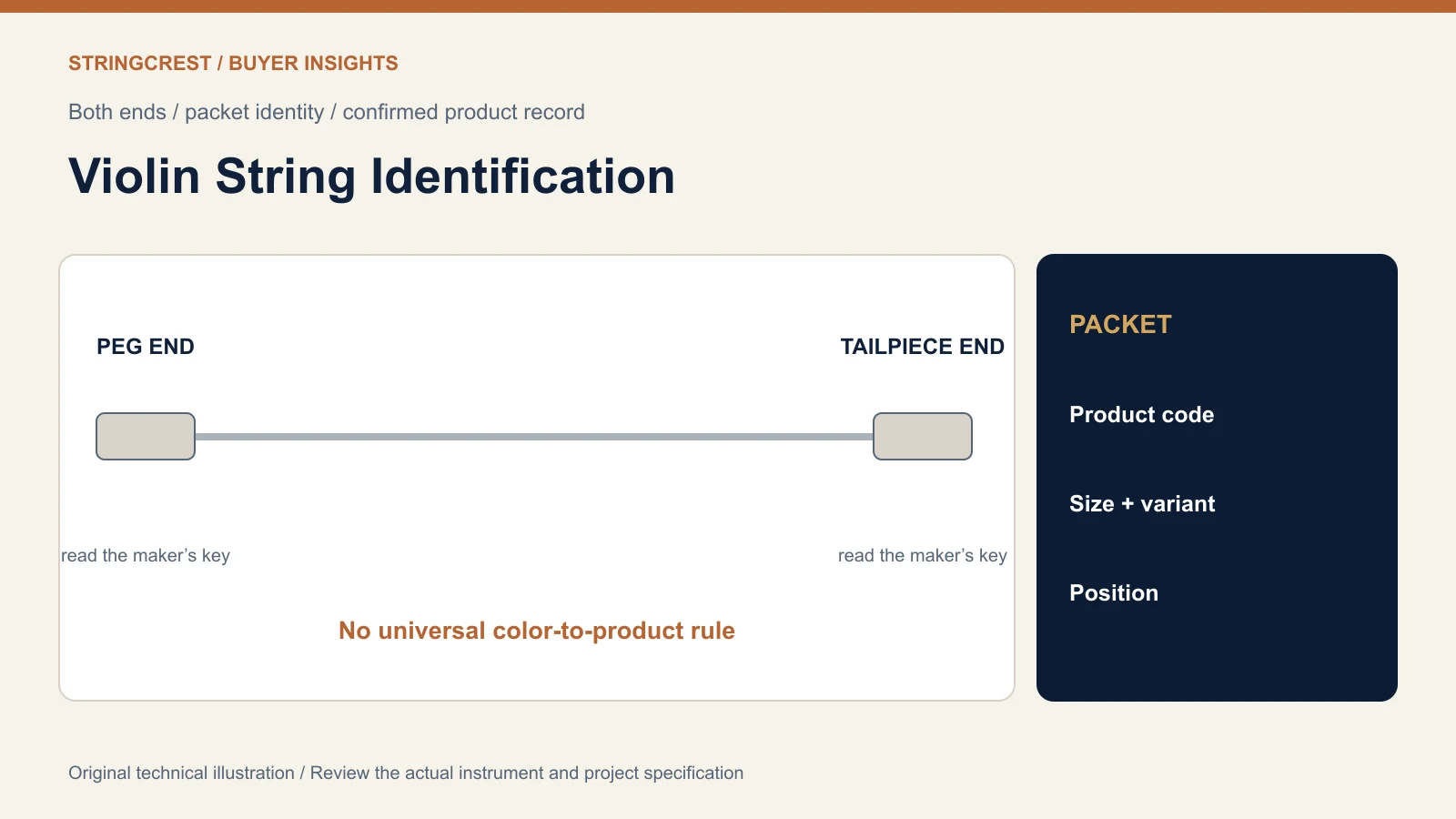
A wholesale identity-control guide for complete sets, replacement singles and uncertain returns, with manufacturer-specific color-code boundaries.
Read the guide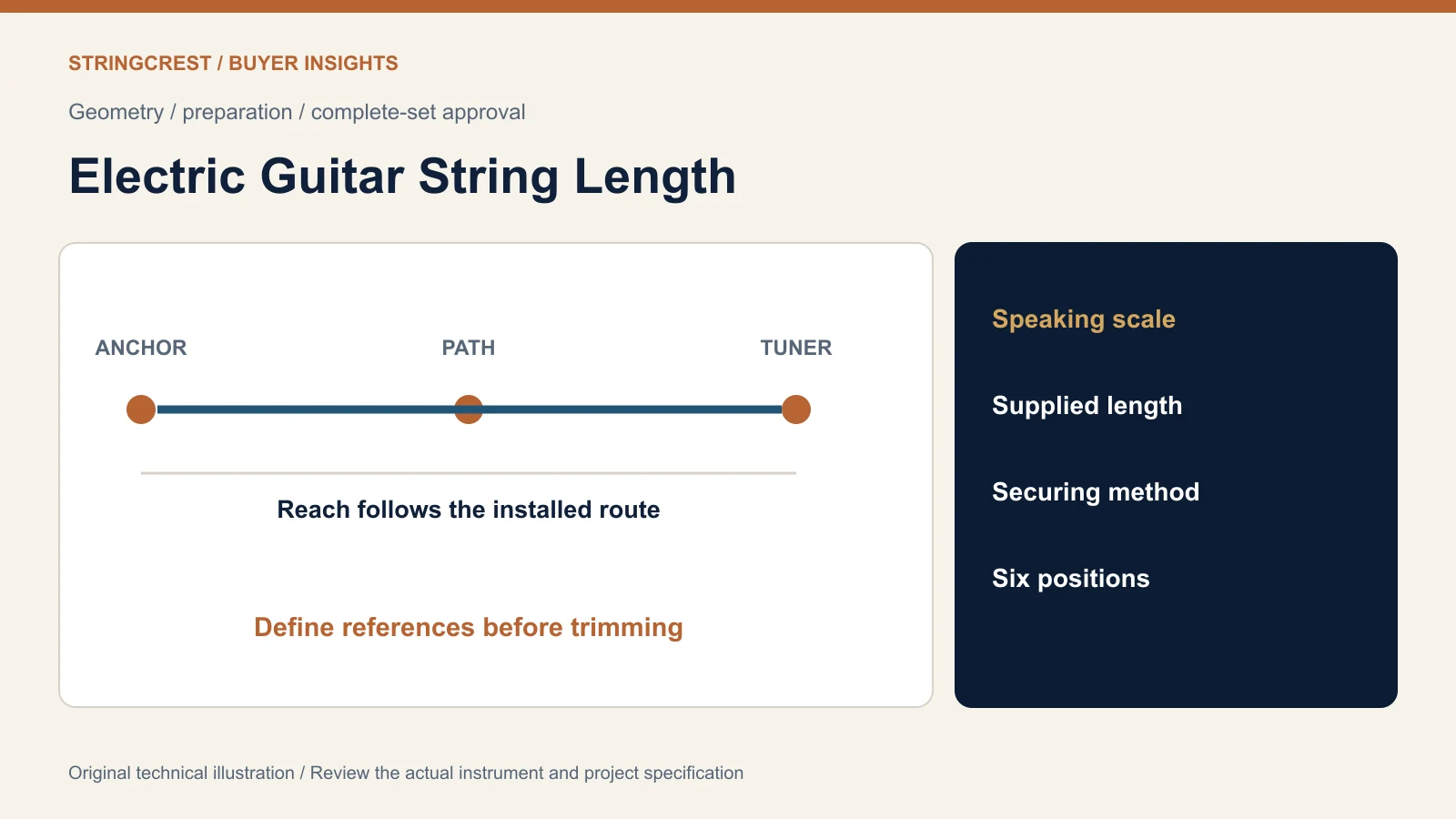
Separate playing scale, supplied length and tuner allowance, then document complete-set fit on the intended electric guitar.
Read the guide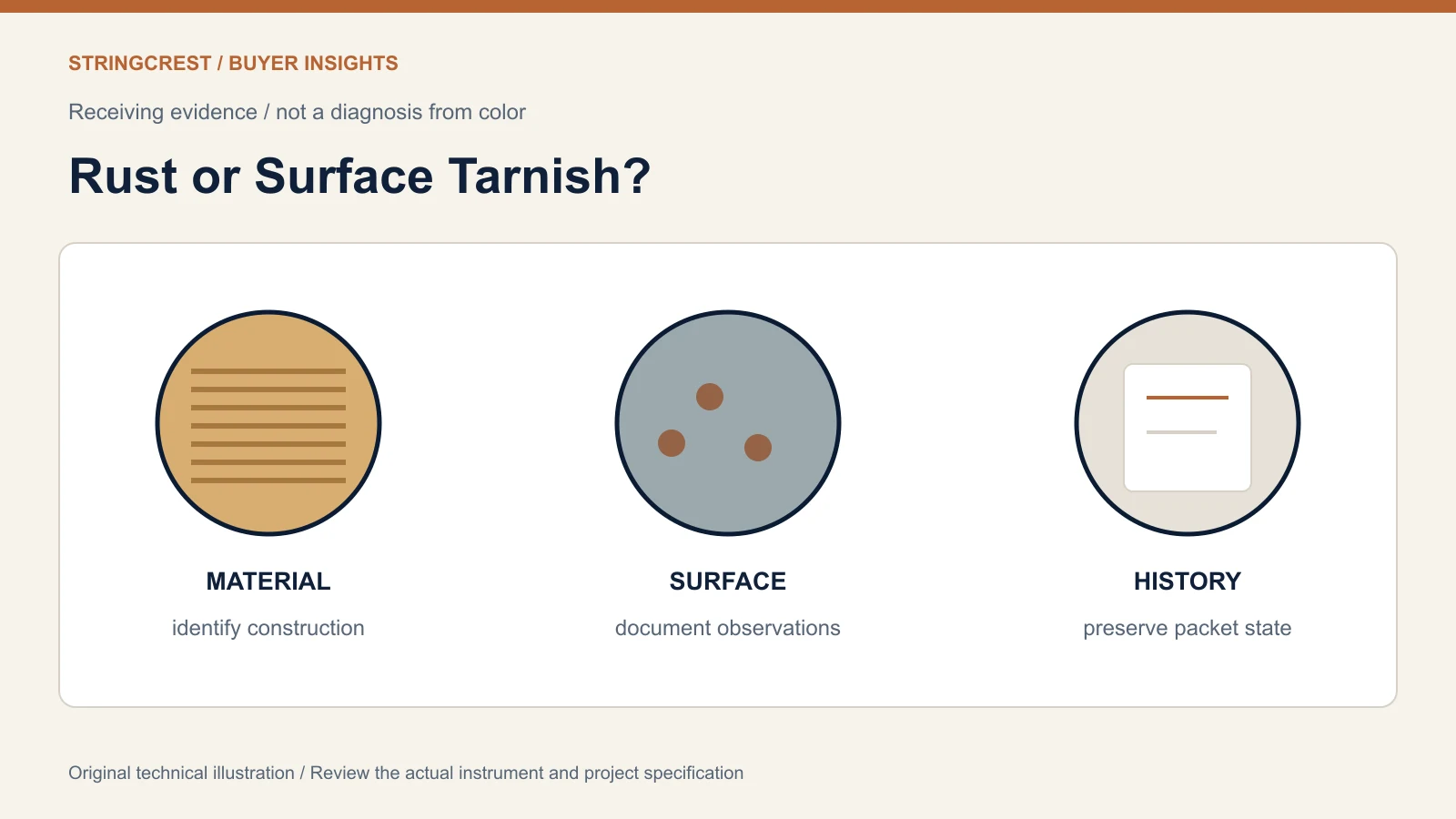
A receiving framework for documenting surface changes and preparing a supplier review without guessing causes or cleaning away evidence.
Read the guide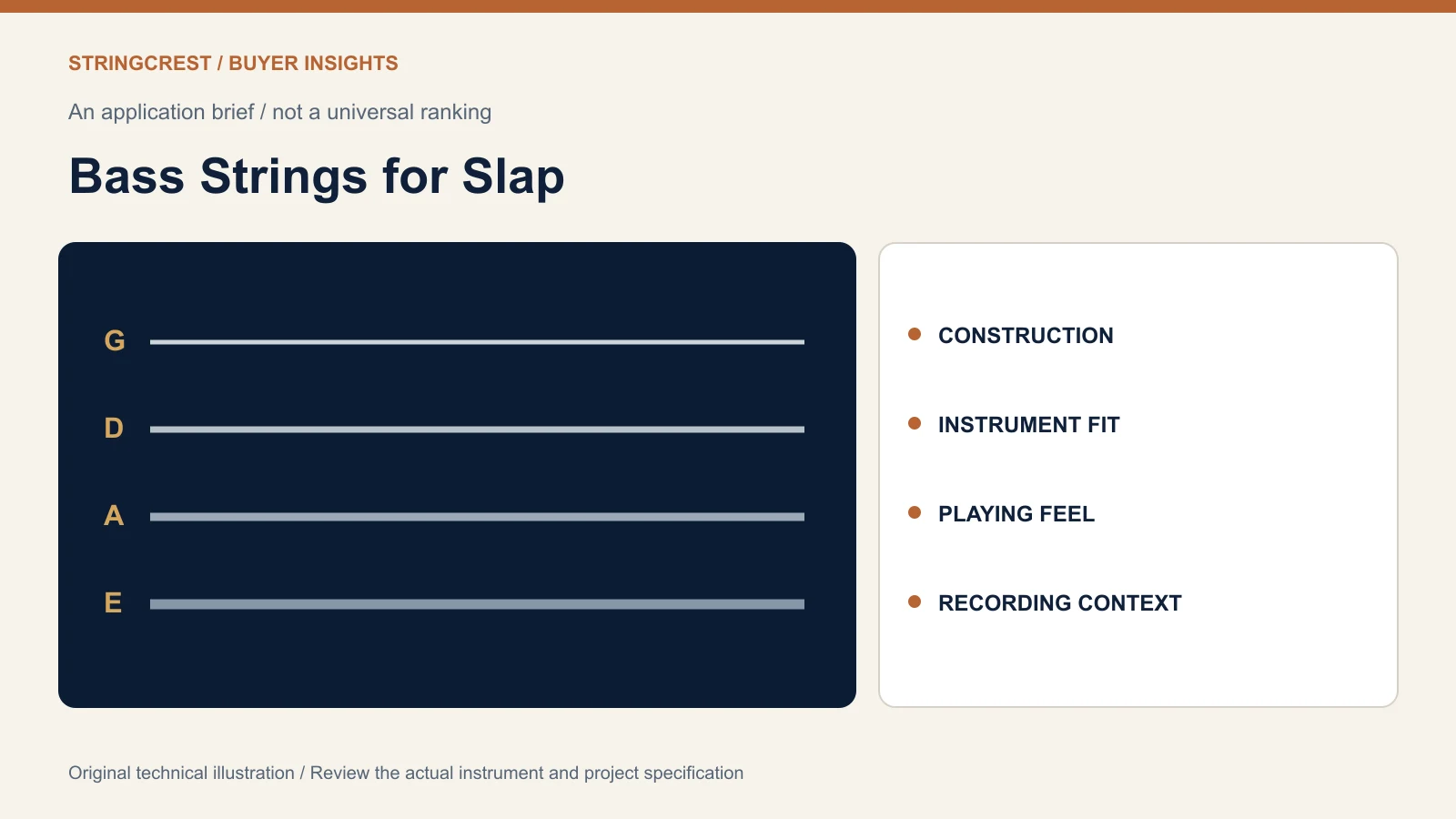
Turn slap-bass retail searches into a buyer brief that separates instrument fit, feel, recorded sound and a defensible dealer range role.
Read the guide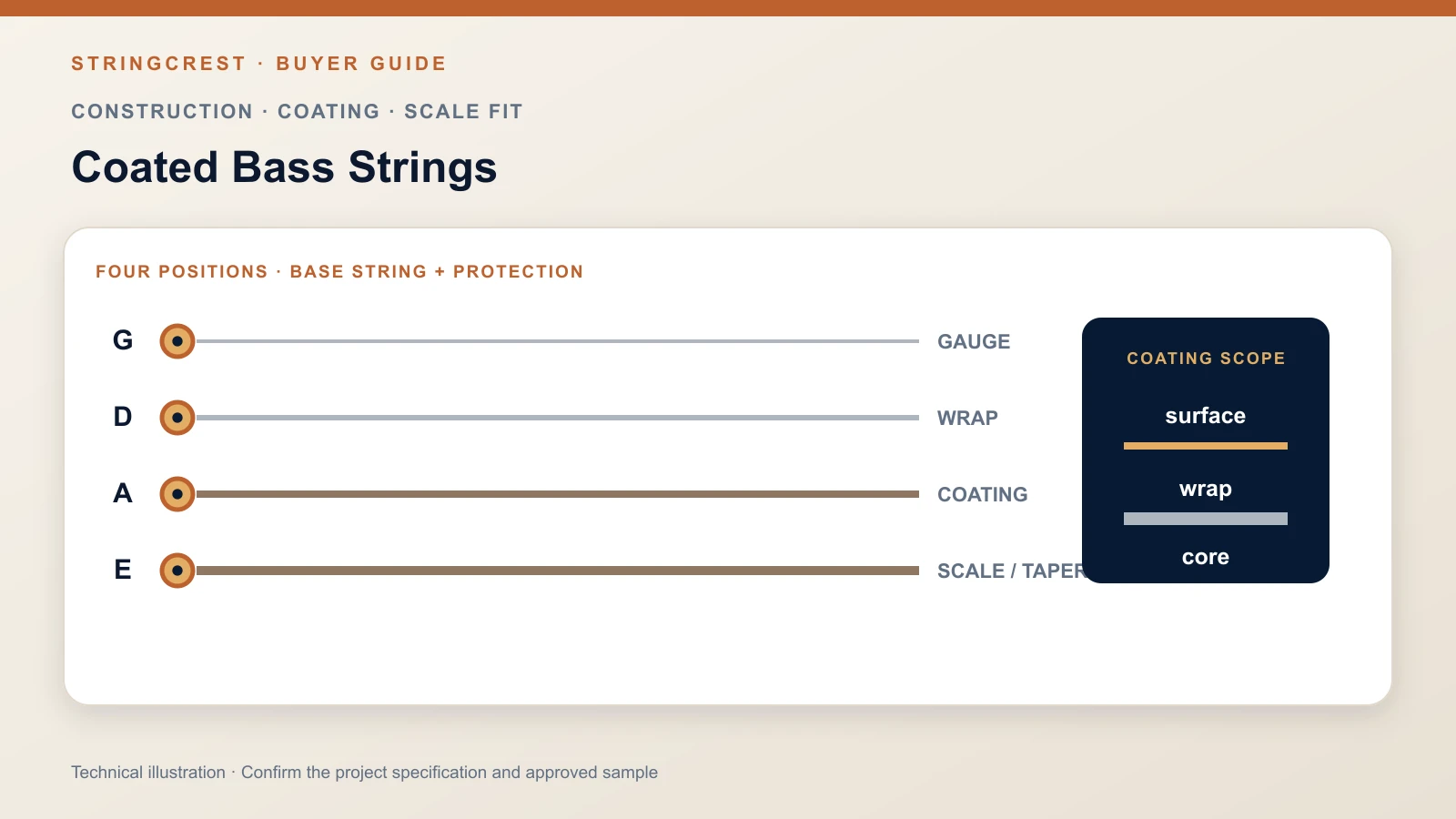
A B2B framework for defining coated bass construction, scale fit, position data, comparison samples, defensible claims and reorder controls.
Read the guide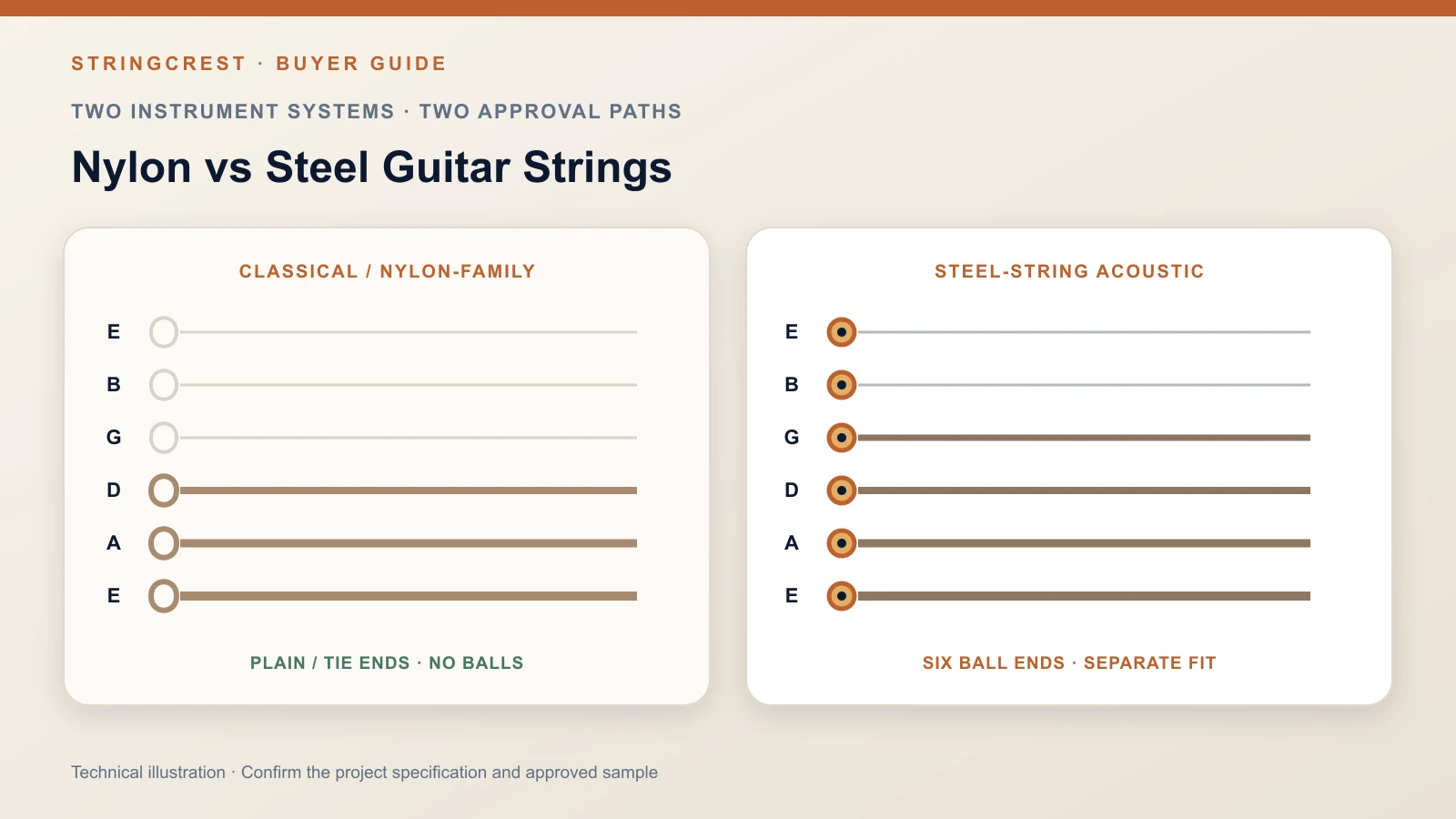
A B2B guide to separating classical nylon and steel-string acoustic systems across construction, attachment, samples, catalog copy and receiving checks.
Read the guide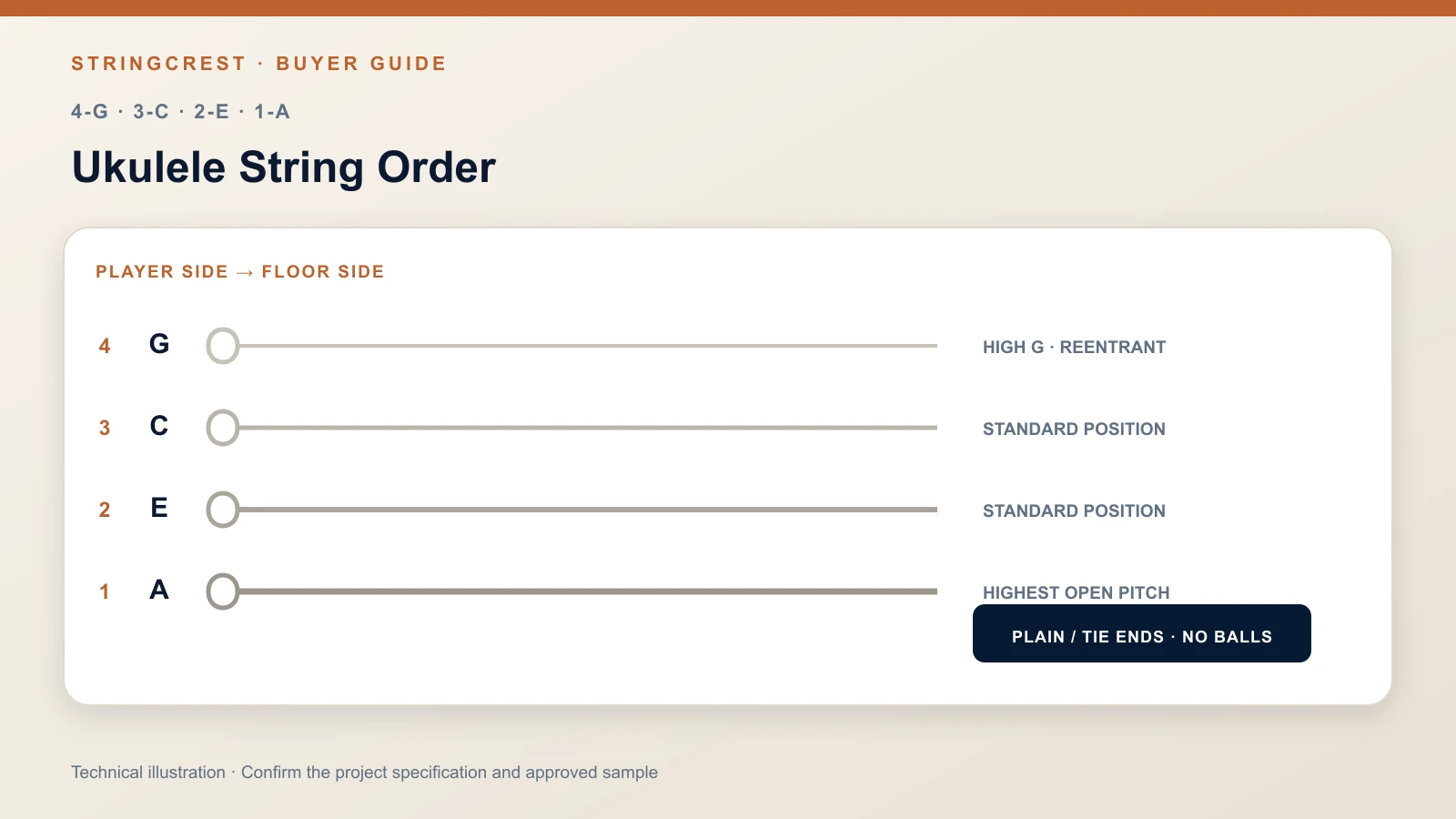
A four-position B2B guide to GCEA orientation, high- and low-G identity, size, material, samples, inner labels, artwork and shipment inspection.
Read the guide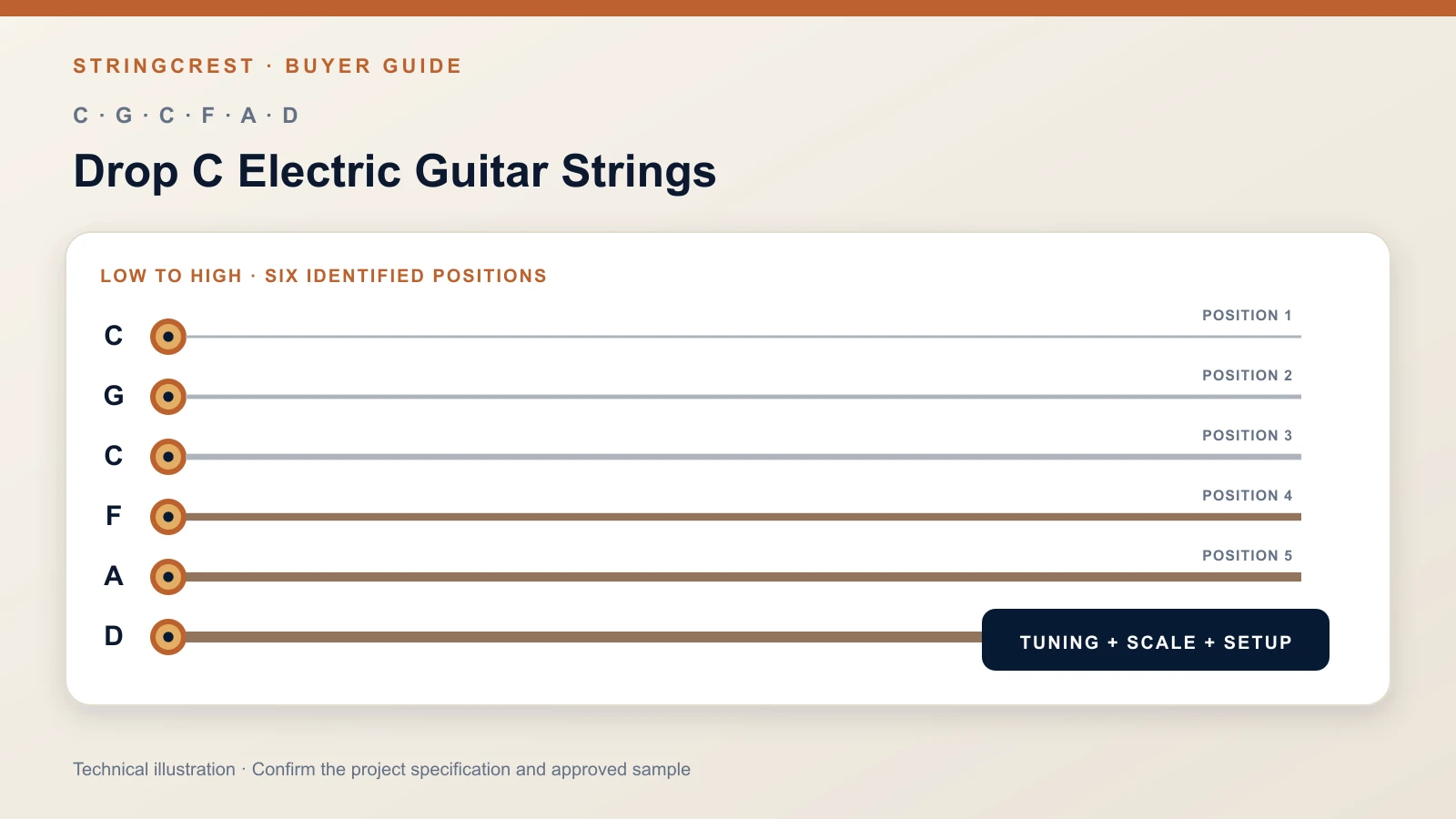
A B2B framework for developing a six-position Drop C set through scale-aware gauge planning, controlled samples, setup review and accurate packaging.
Read the guide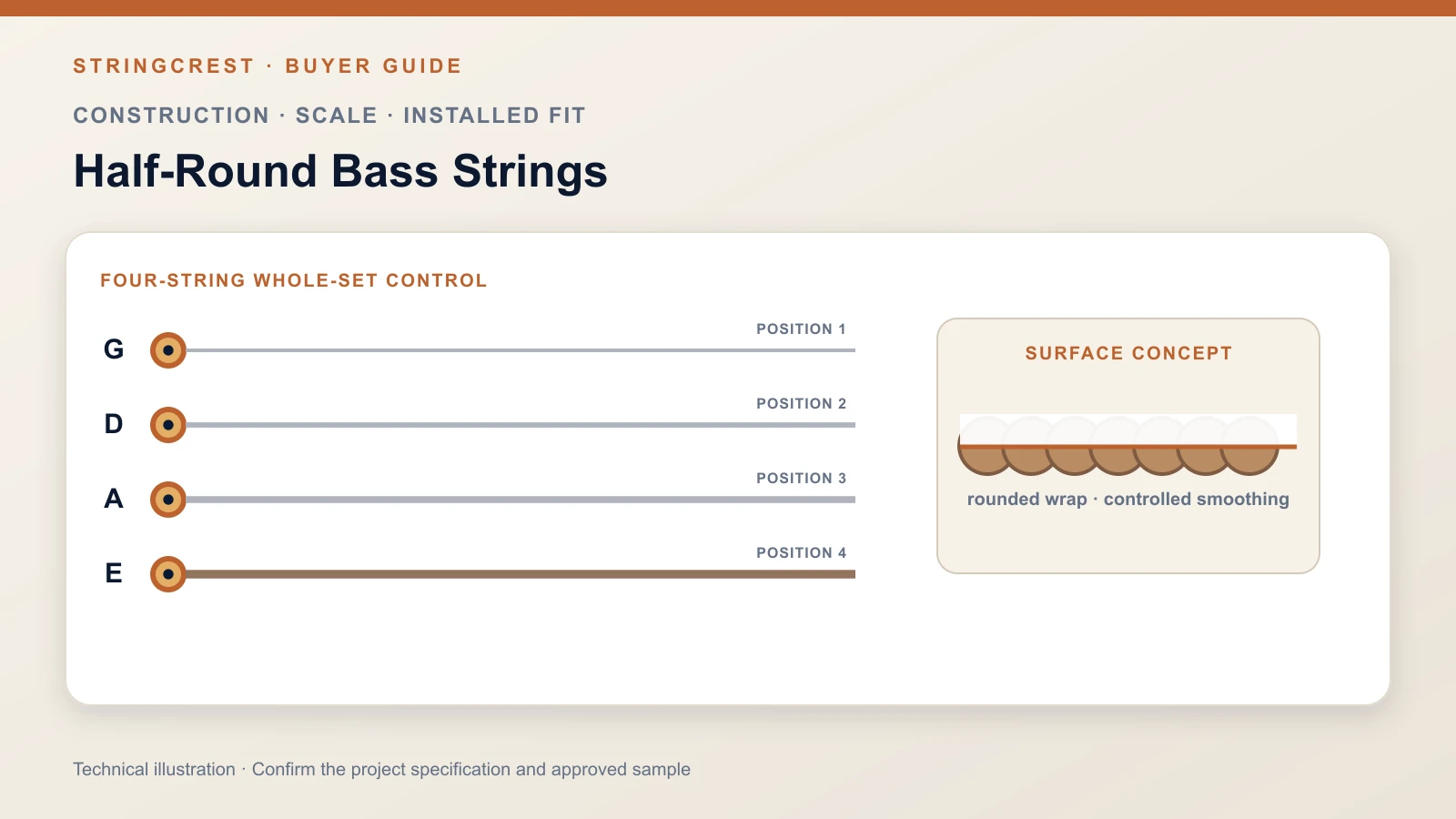
A wholesale guide to half-round surface construction, four-position specifications, scale and taper fit, controlled comparison and range planning.
Read the guide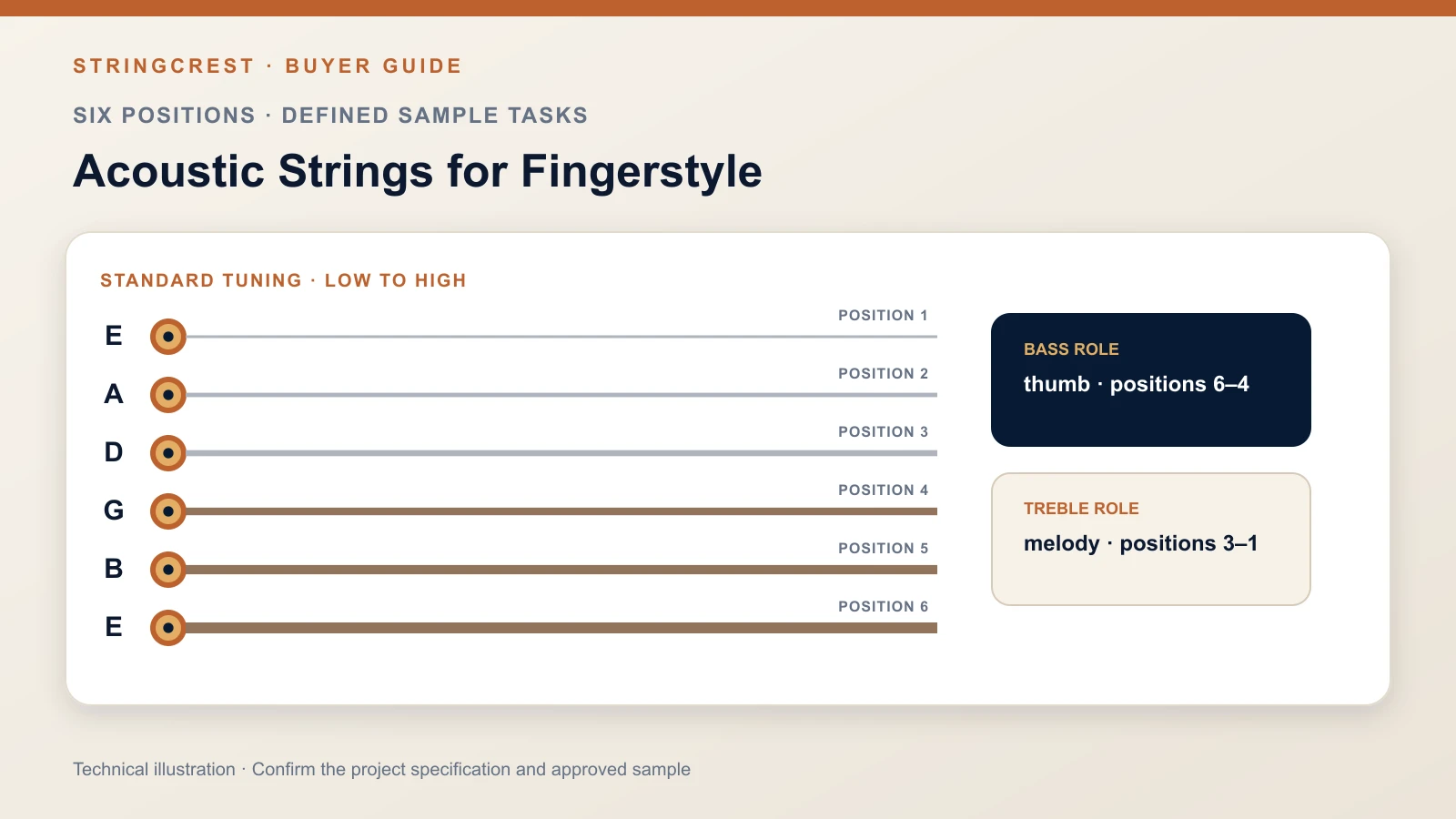
A wholesale method for translating fingerstyle technique into six-position gauges, material comparisons, repeatable samples and a clear acoustic range role.
Read the guide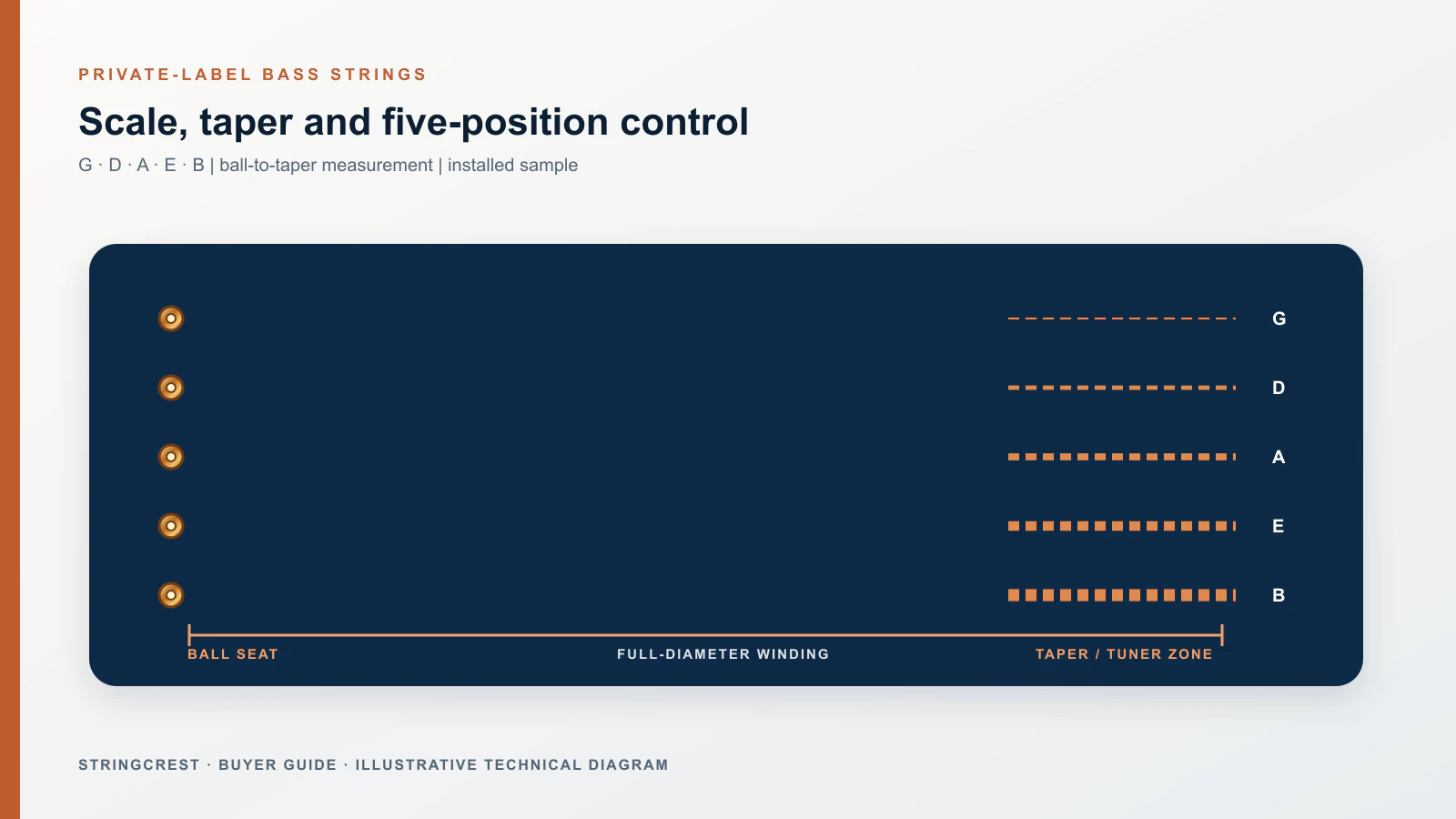
A B2B method for turning a custom bass-string idea into a position master, installed-fit sample and controlled private-label product.
Read the guide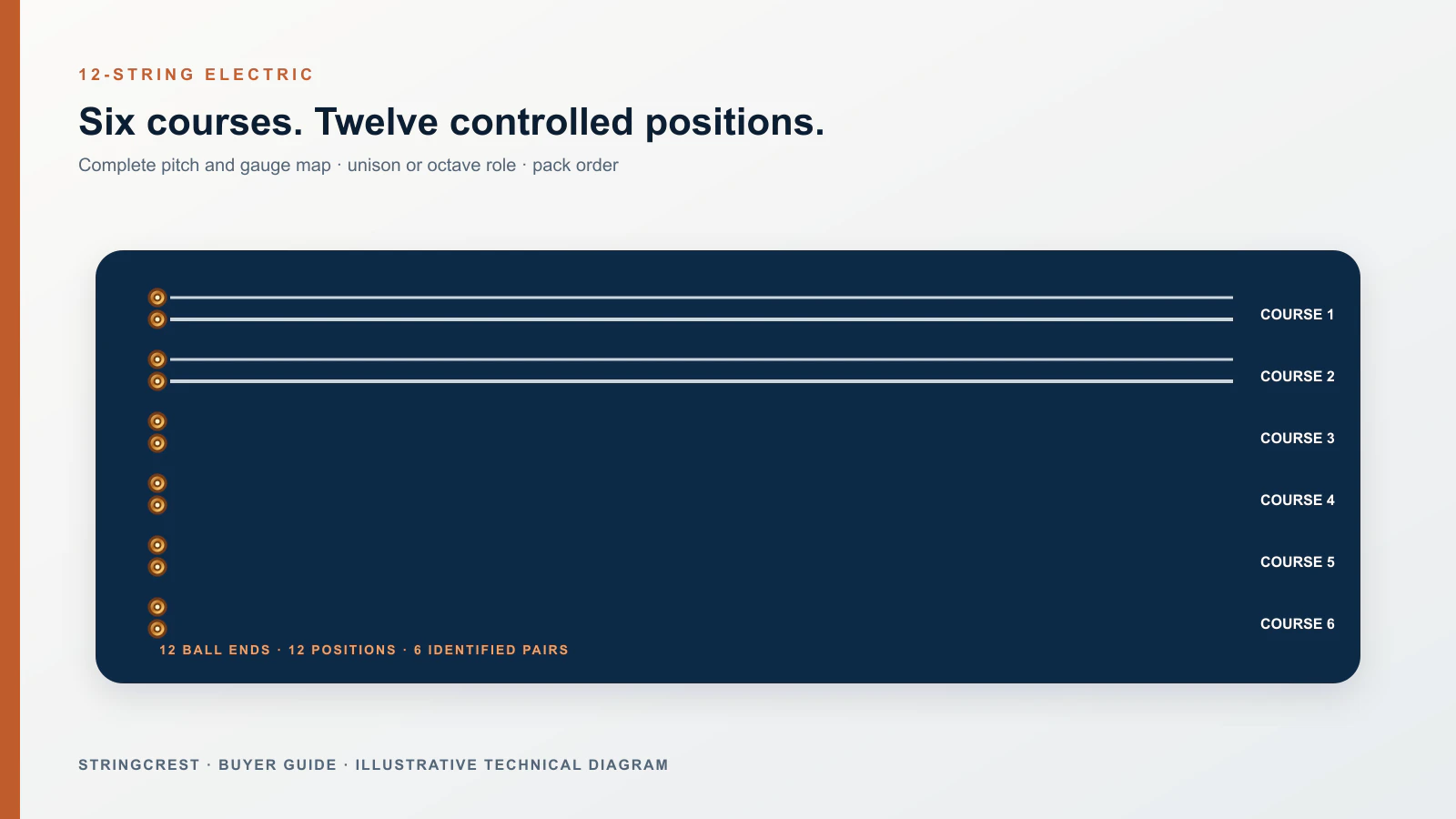
A wholesale framework for mapping six courses and twelve positions, approving installed samples and keeping course order clear in packaging.
Read the guide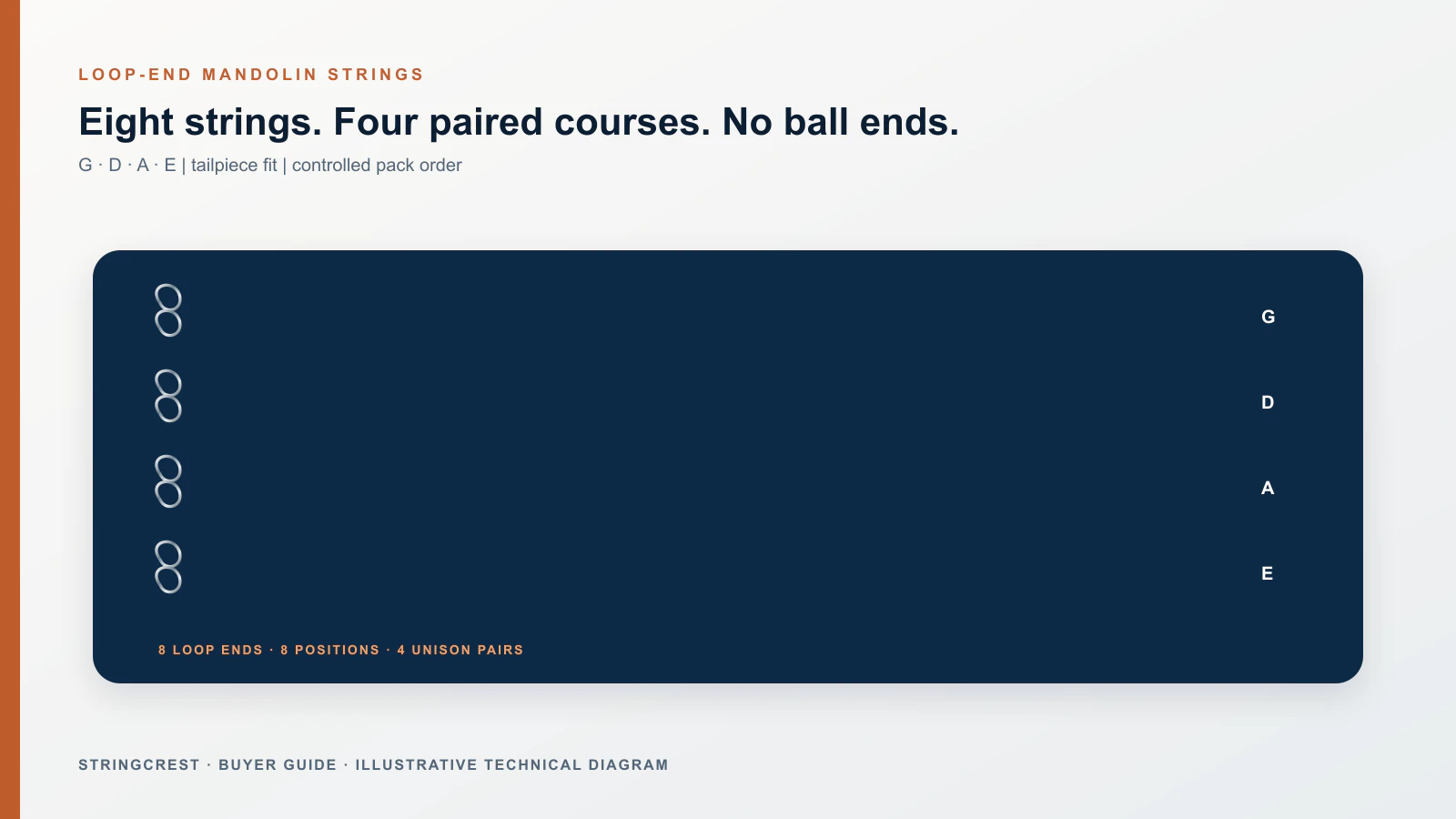
A B2B guide to eight-string, four-course loop-end mandolin specifications, installed tailpiece fit, sample approval and accurate pack-out.
Read the guide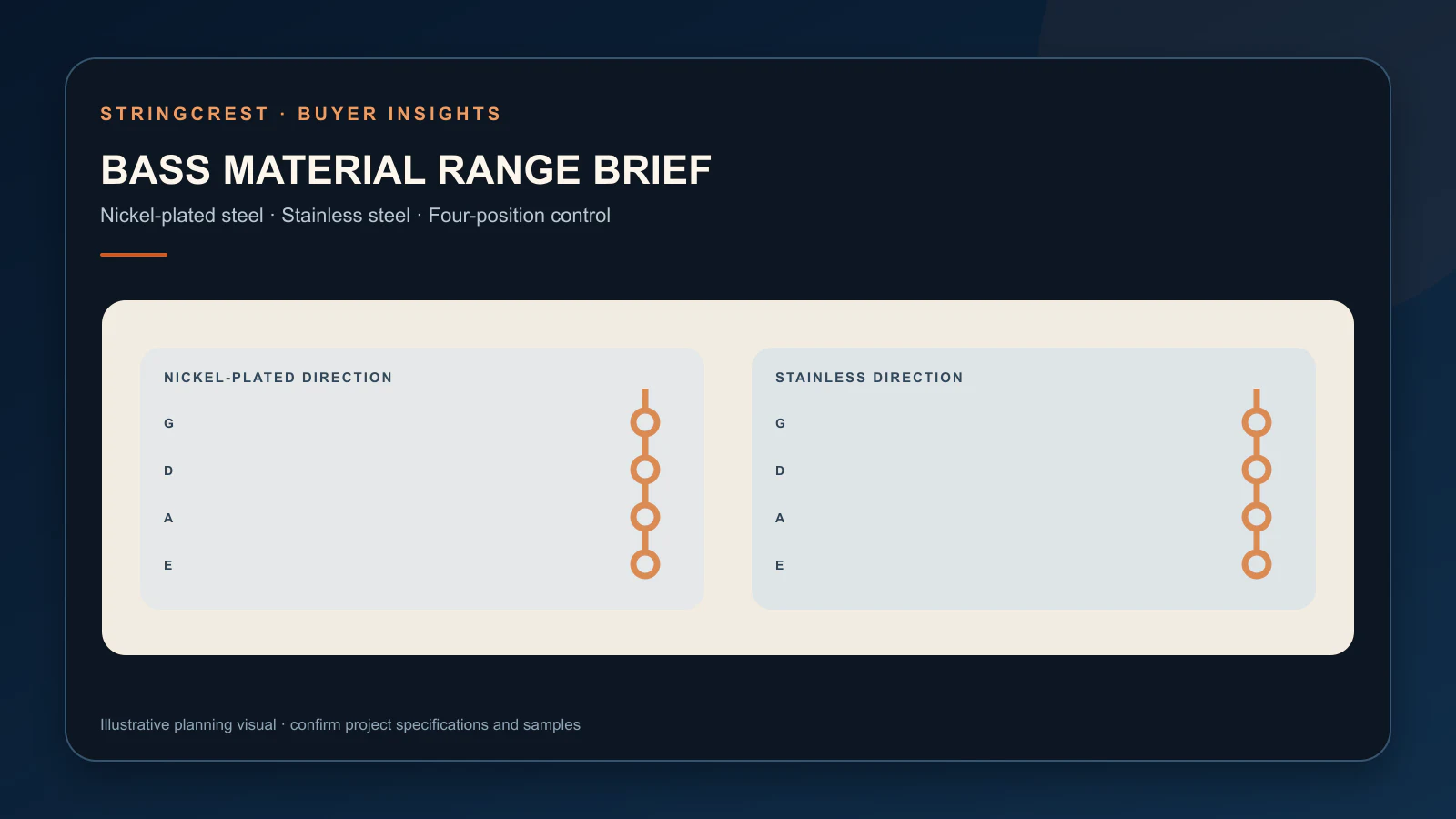
A B2B framework for comparing stainless and nickel-plated bass-string materials while controlling construction, gauges, fit, samples and packaging.
Read the guide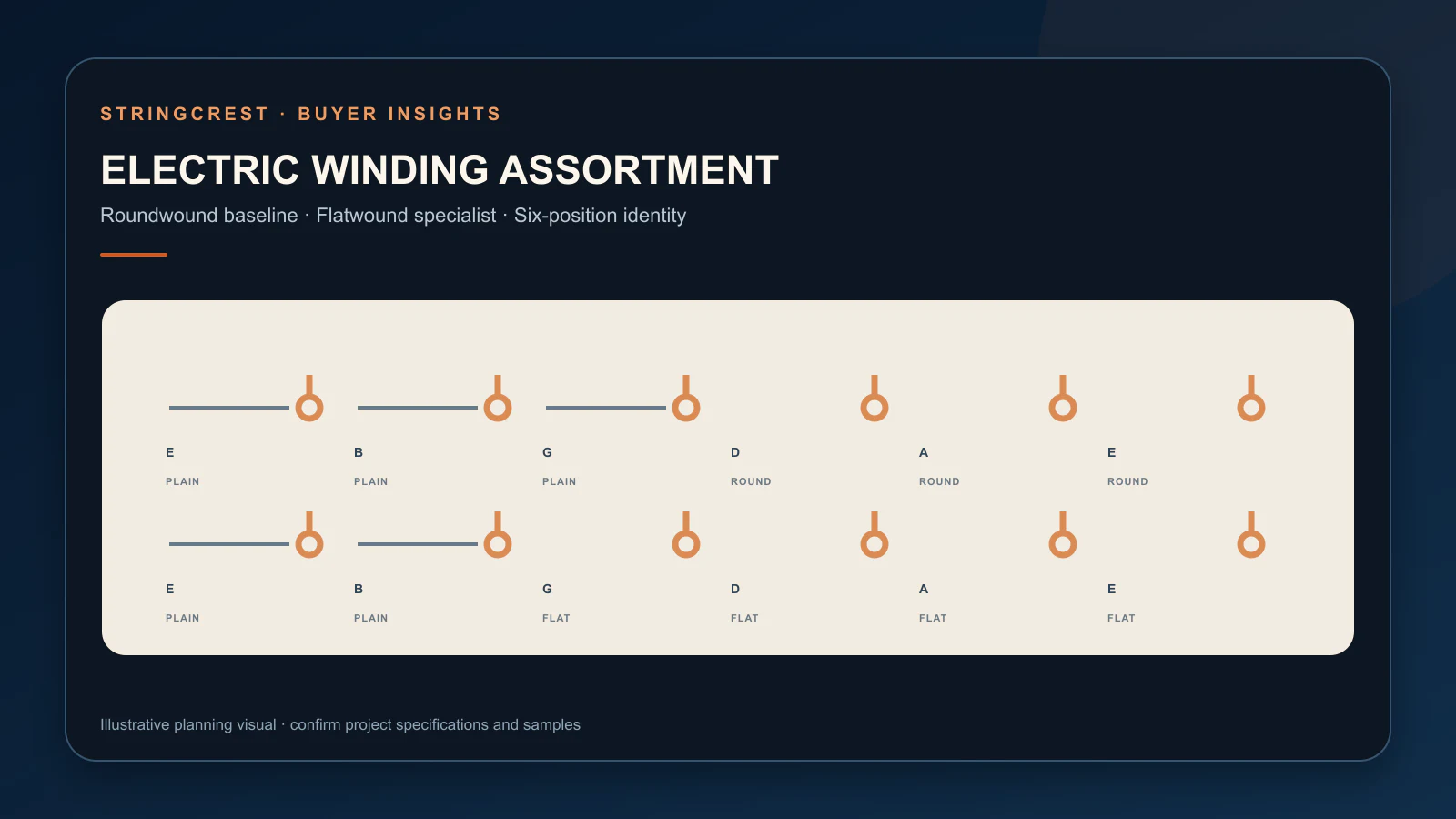
A wholesale framework for assigning clear range roles to roundwound and flatwound electric sets, then controlling gauges, setup, samples and dealer support.
Read the guide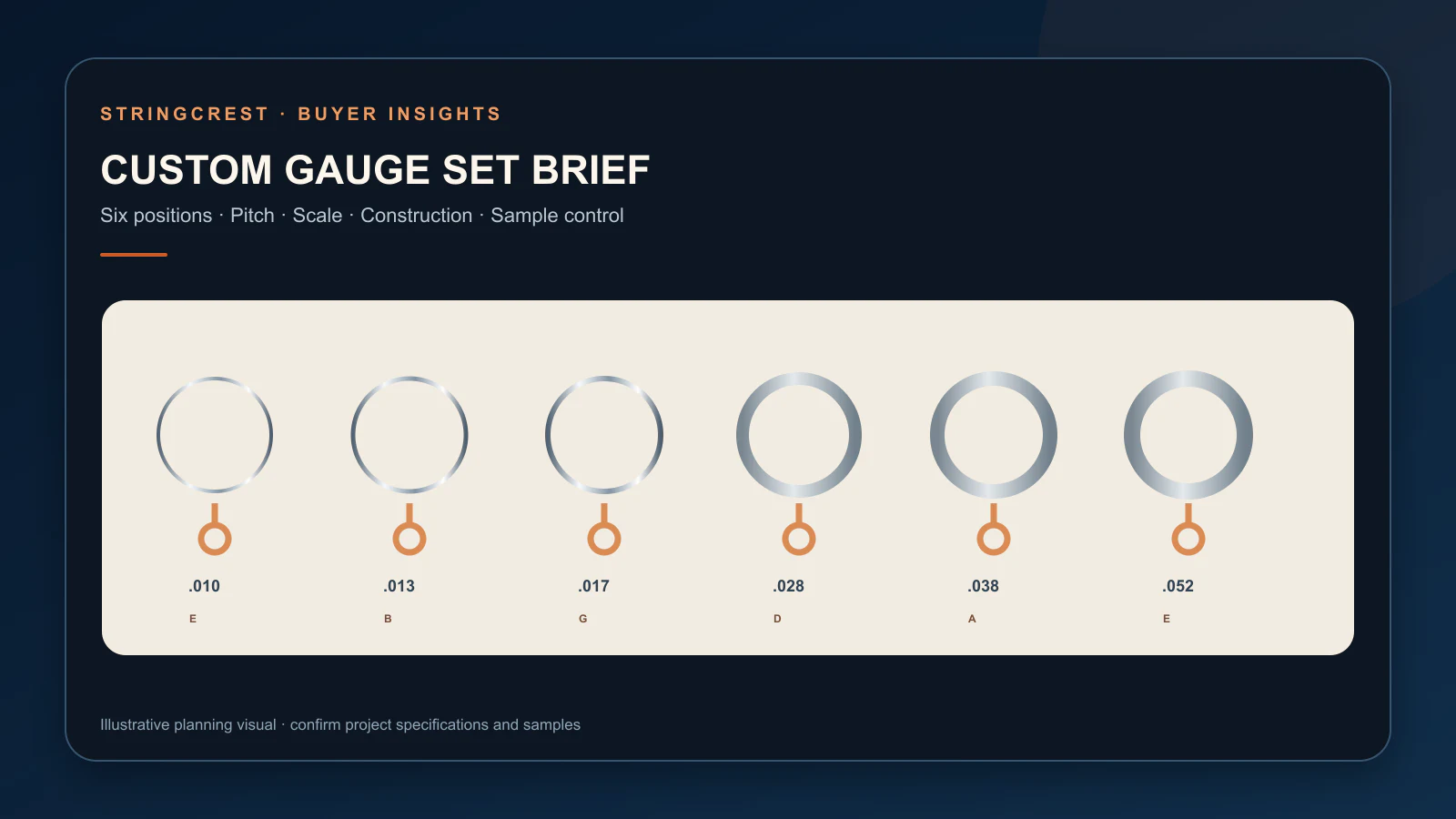
A private-label method for turning a custom-gauge idea into a six-position specification, controlled sample ladder, accurate pack and repeatable production reference.
Read the guide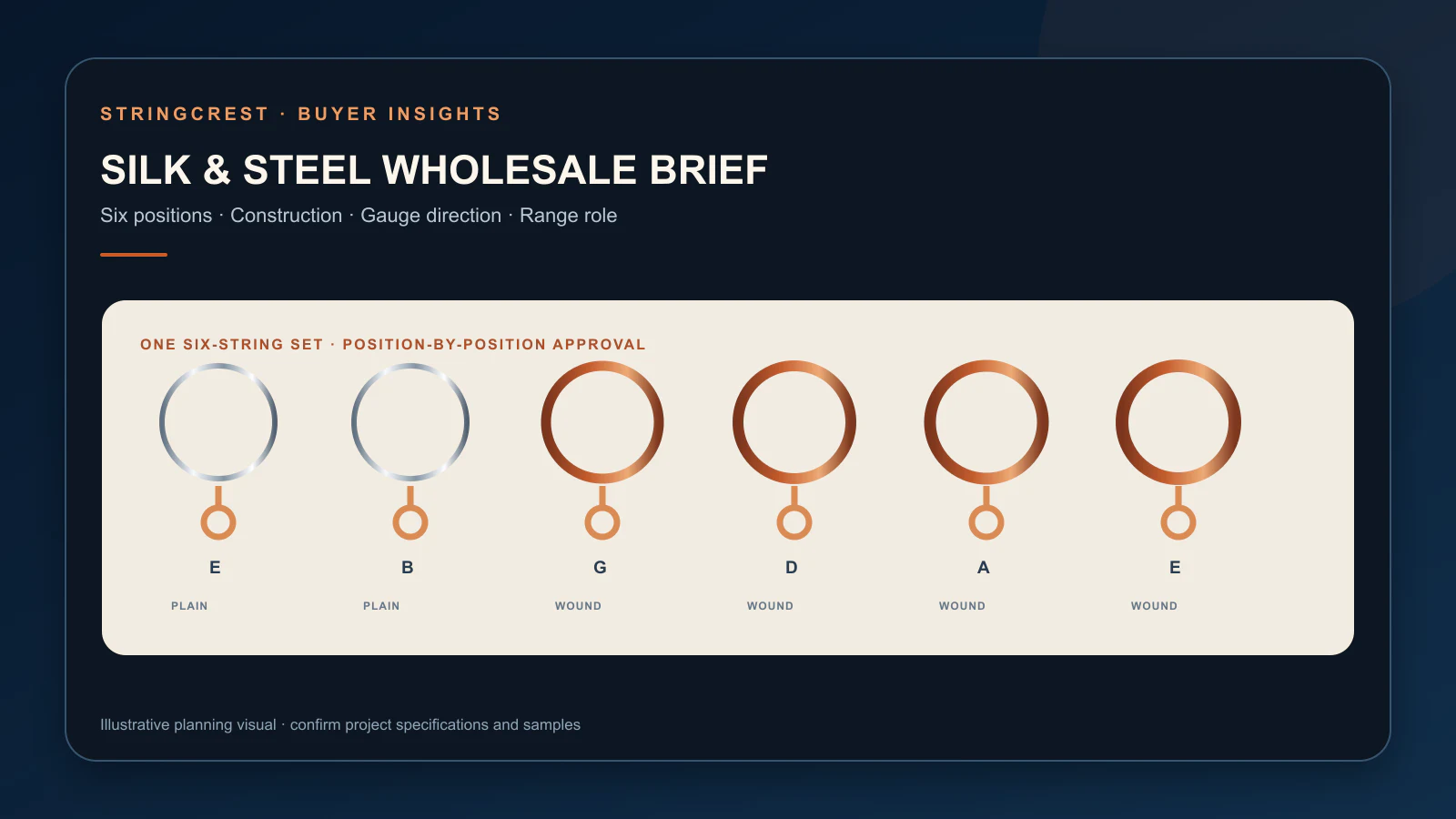
A B2B guide to silk-and-steel construction, gauge and tension direction, acoustic fit, sample approval, packaging and six- versus twelve-string planning.
Read the guide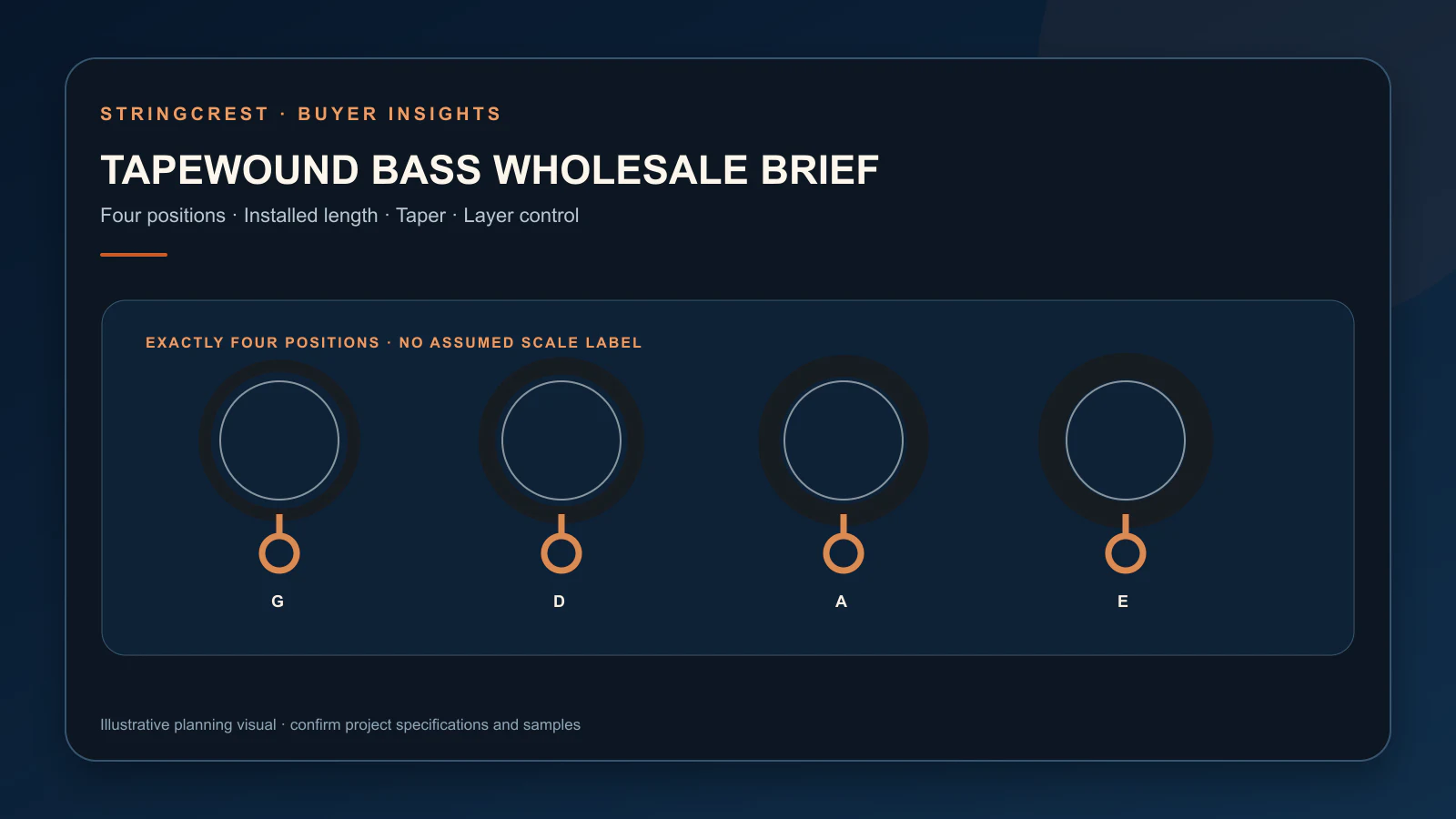
A B2B method for defining tapewound construction, scale and taper, four- and five-string fit, controlled samples, packaging and replacement singles.
Read the guide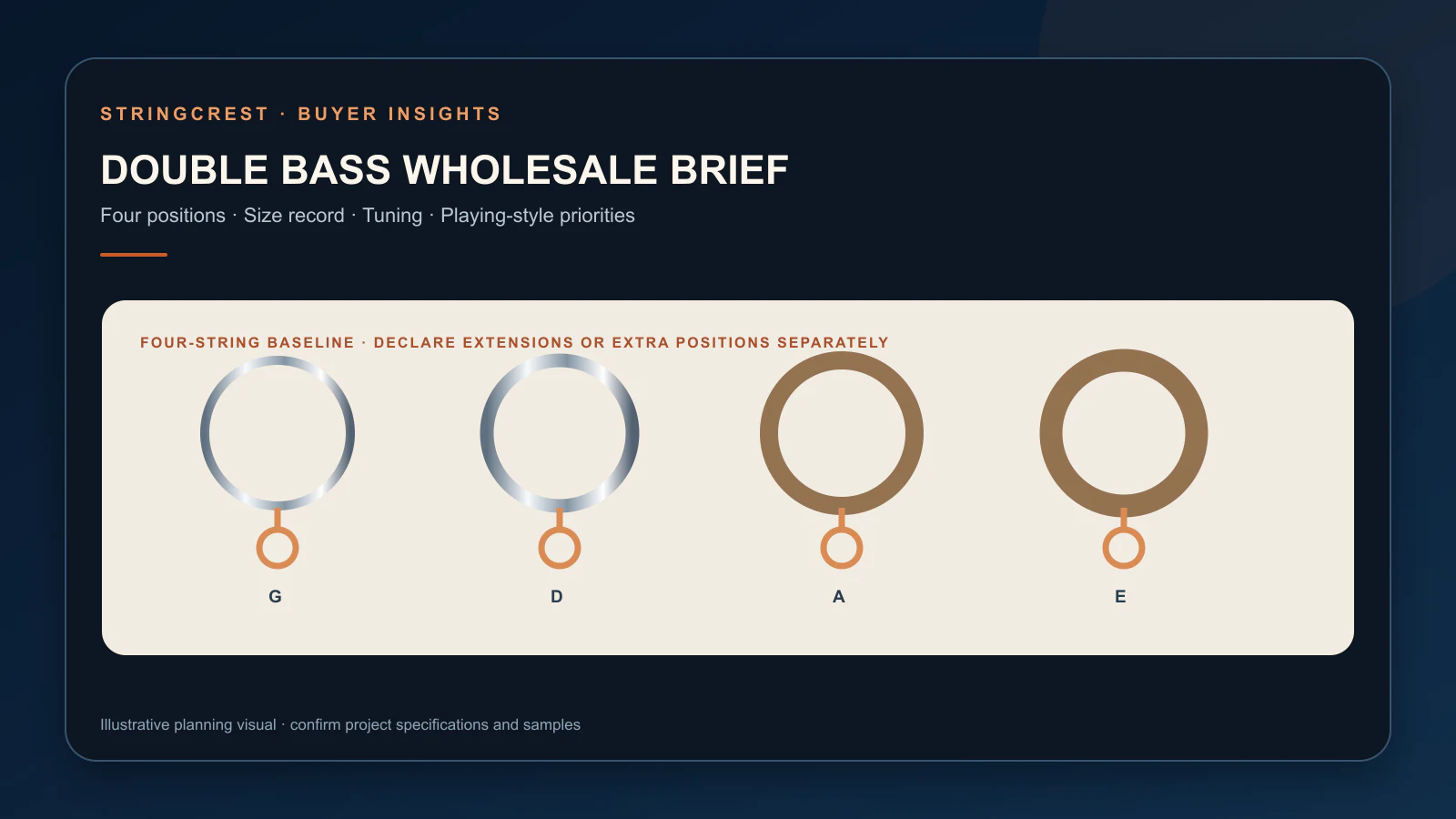
A B2B guide to double-bass size and scale, position construction, arco and pizzicato sample tasks, installed fit, sets, singles and packaging.
Read the guide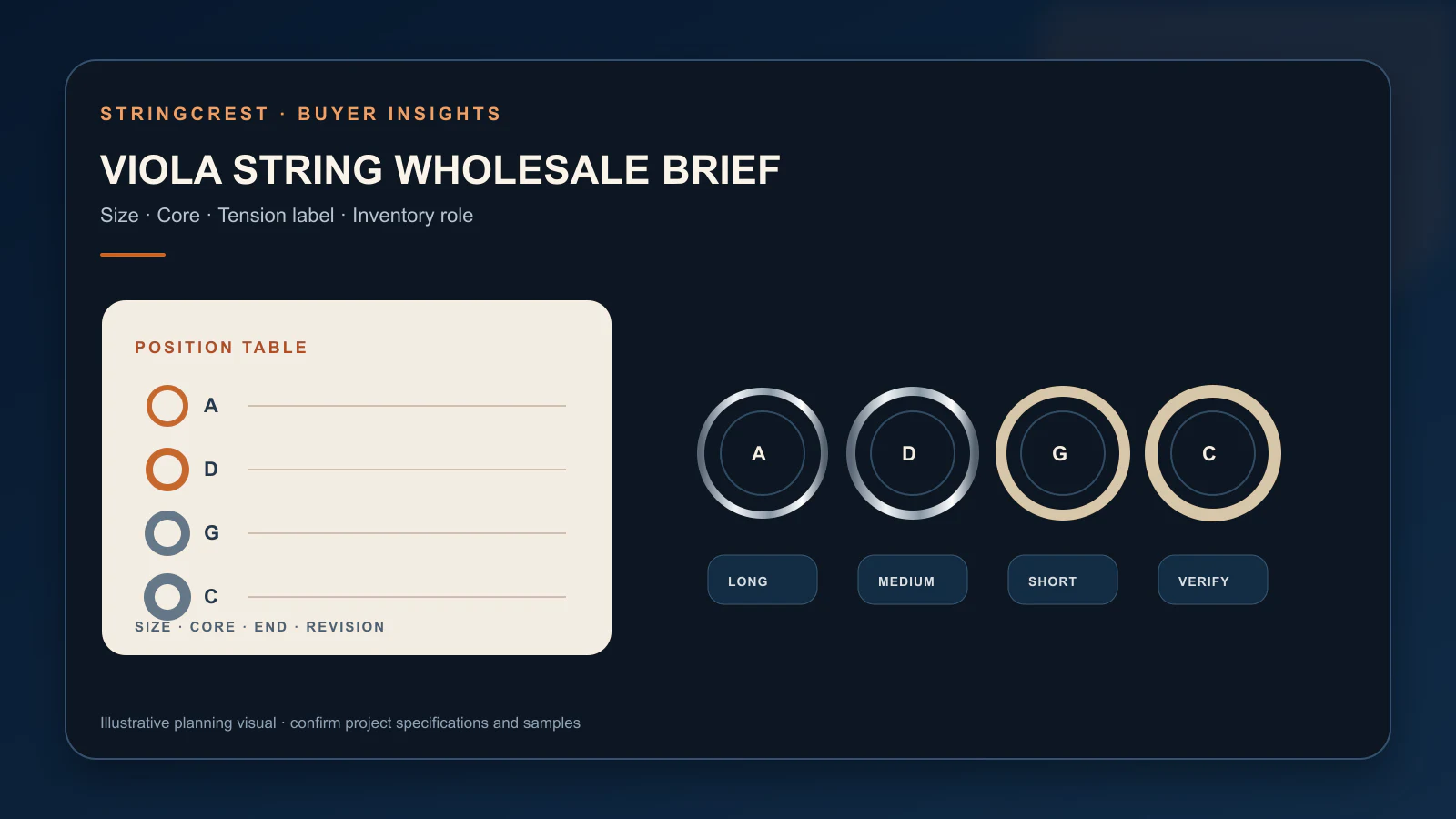
A B2B method for defining viola size groups, position construction, tension labels, end fit, samples and set-versus-single inventory.
Read the guide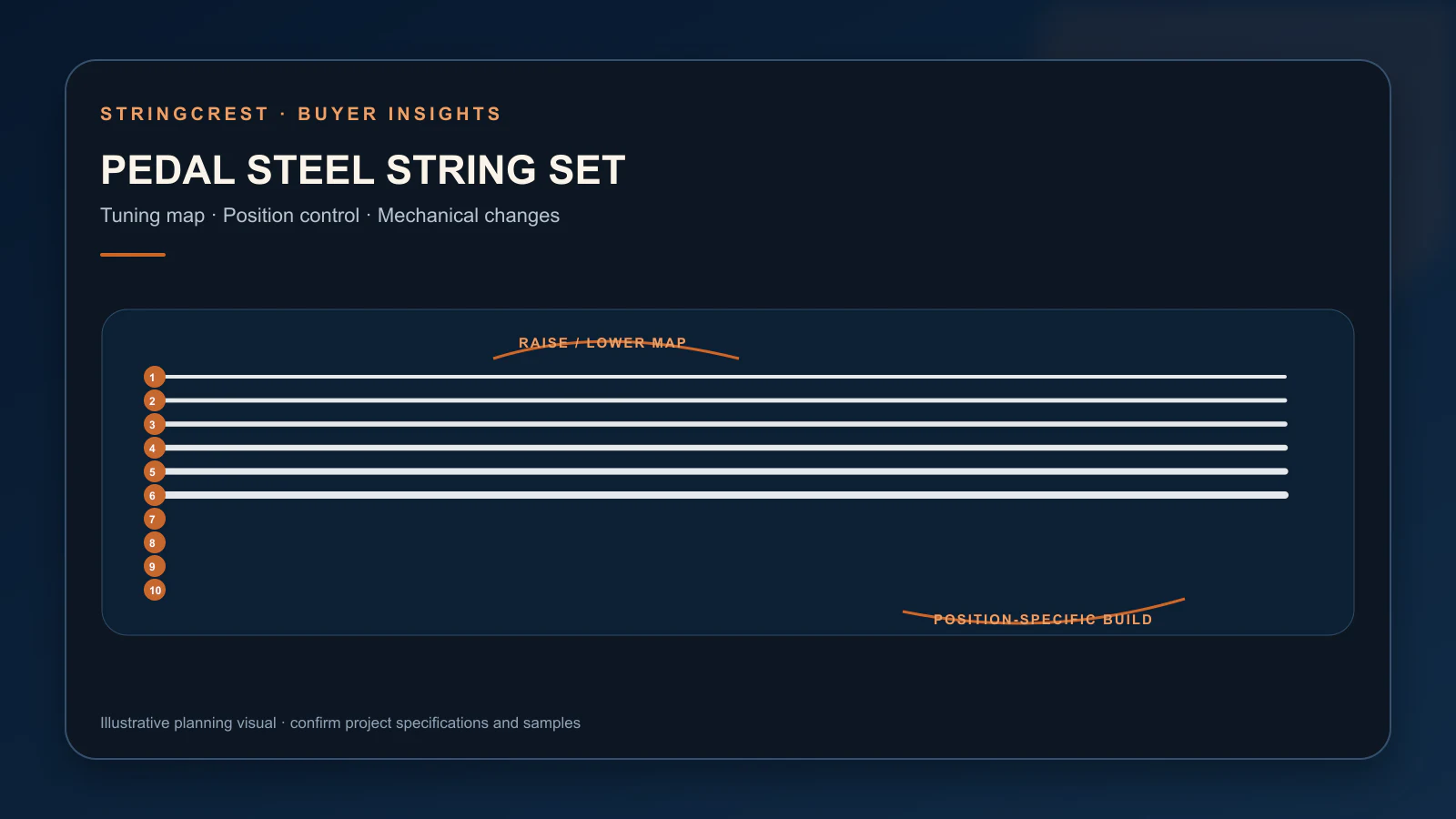
A tuning-led B2B workflow for E9, C6 and custom pedal steel string sets, from position mapping and fit to sample approval and packaging.
Read the guide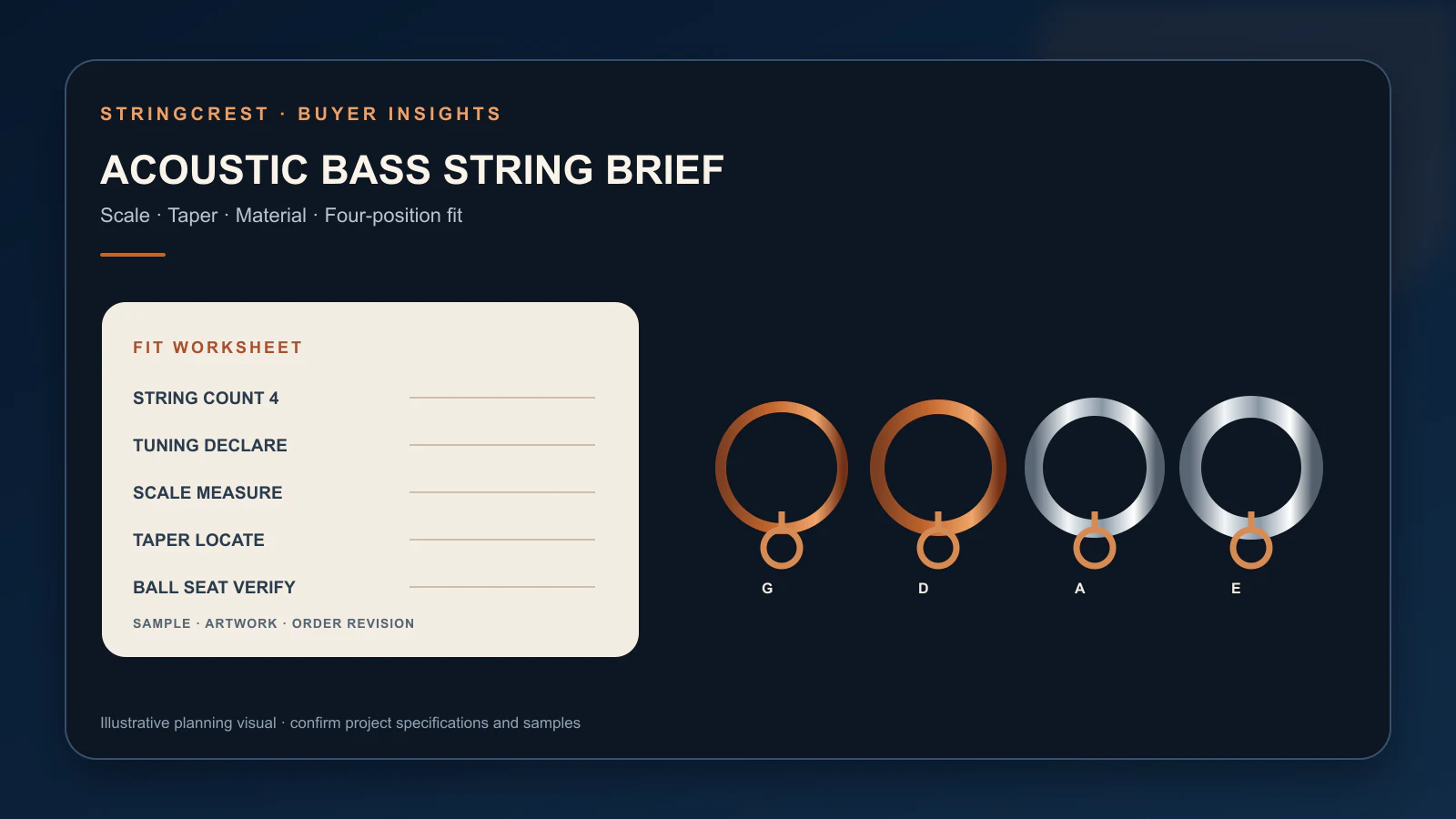
A B2B guide to acoustic bass scale, taper, material, bridge fit, four- and five-string range planning, samples and packaging.
Read the guide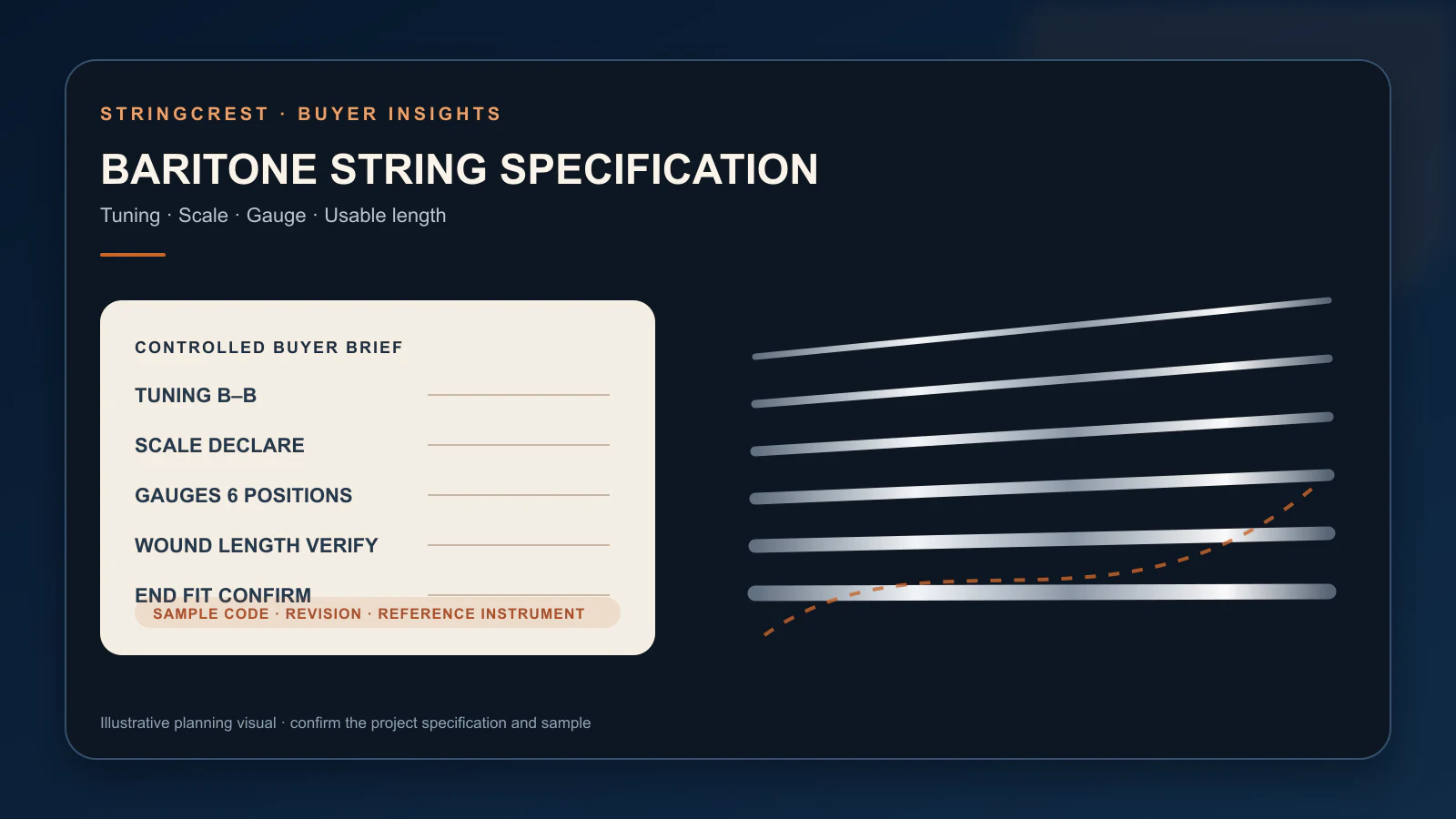
A buyer-focused method for defining baritone tuning, scale, gauges, usable winding length and sample controls before approving a wholesale string range.
Read the guide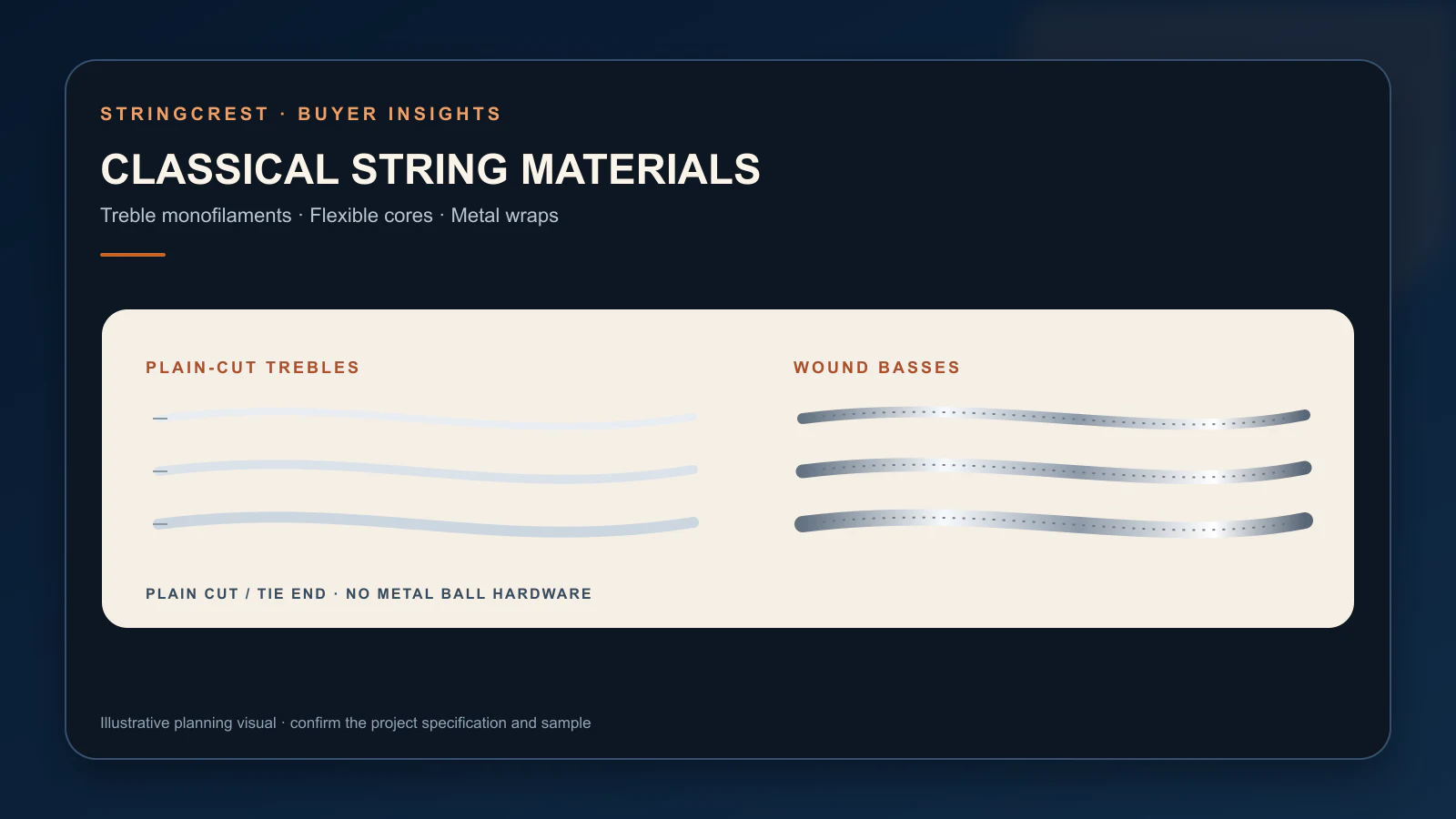
A practical guide to clear and rectified nylon, fluorocarbon-type trebles, multifilament bass cores, metal wraps, tension labels and tie-end fit.
Read the guide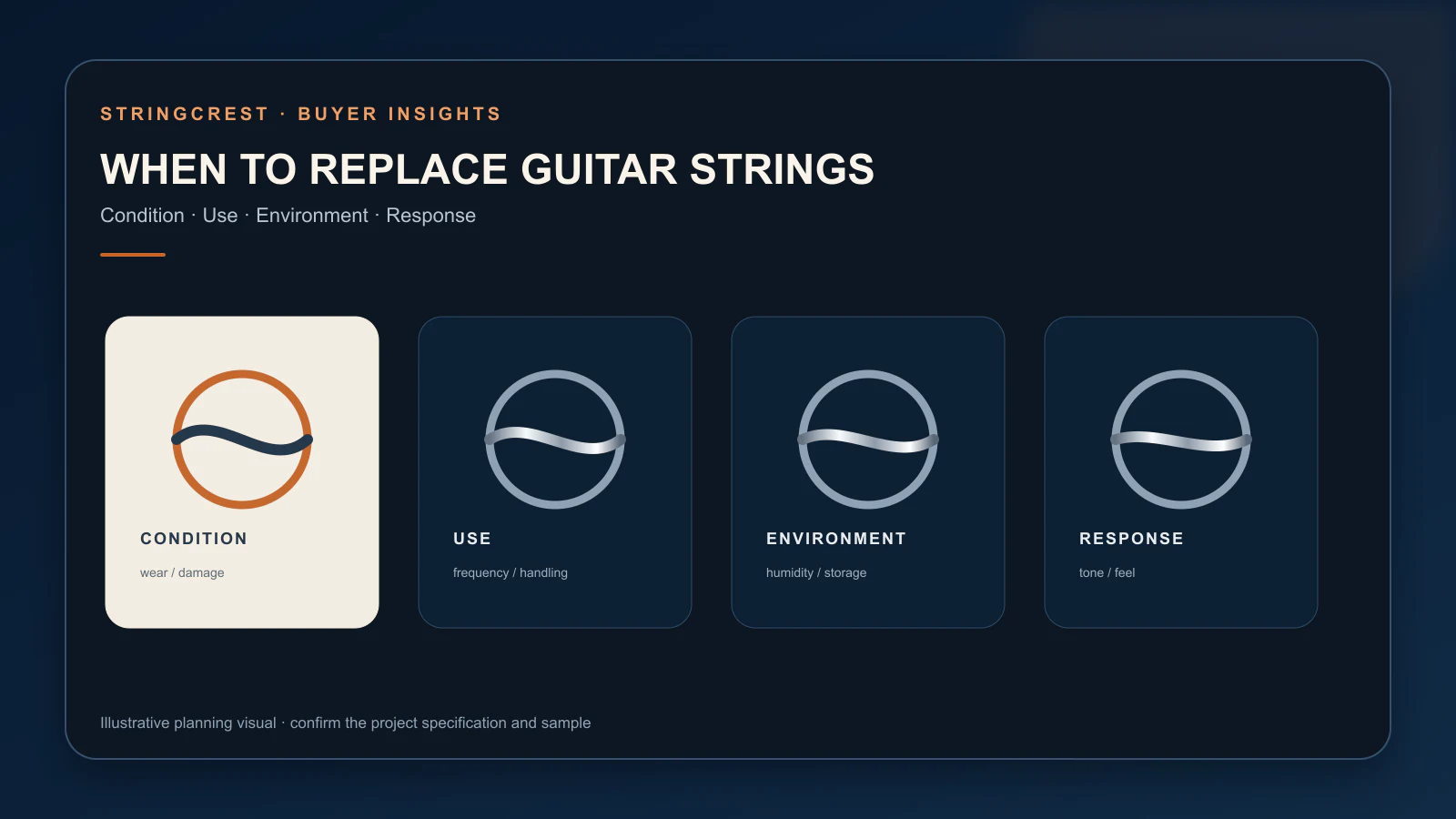
A practical customer-education framework for retailers and string brands covering visible wear, feel, response, use patterns, environment and setup changes.
Read the guide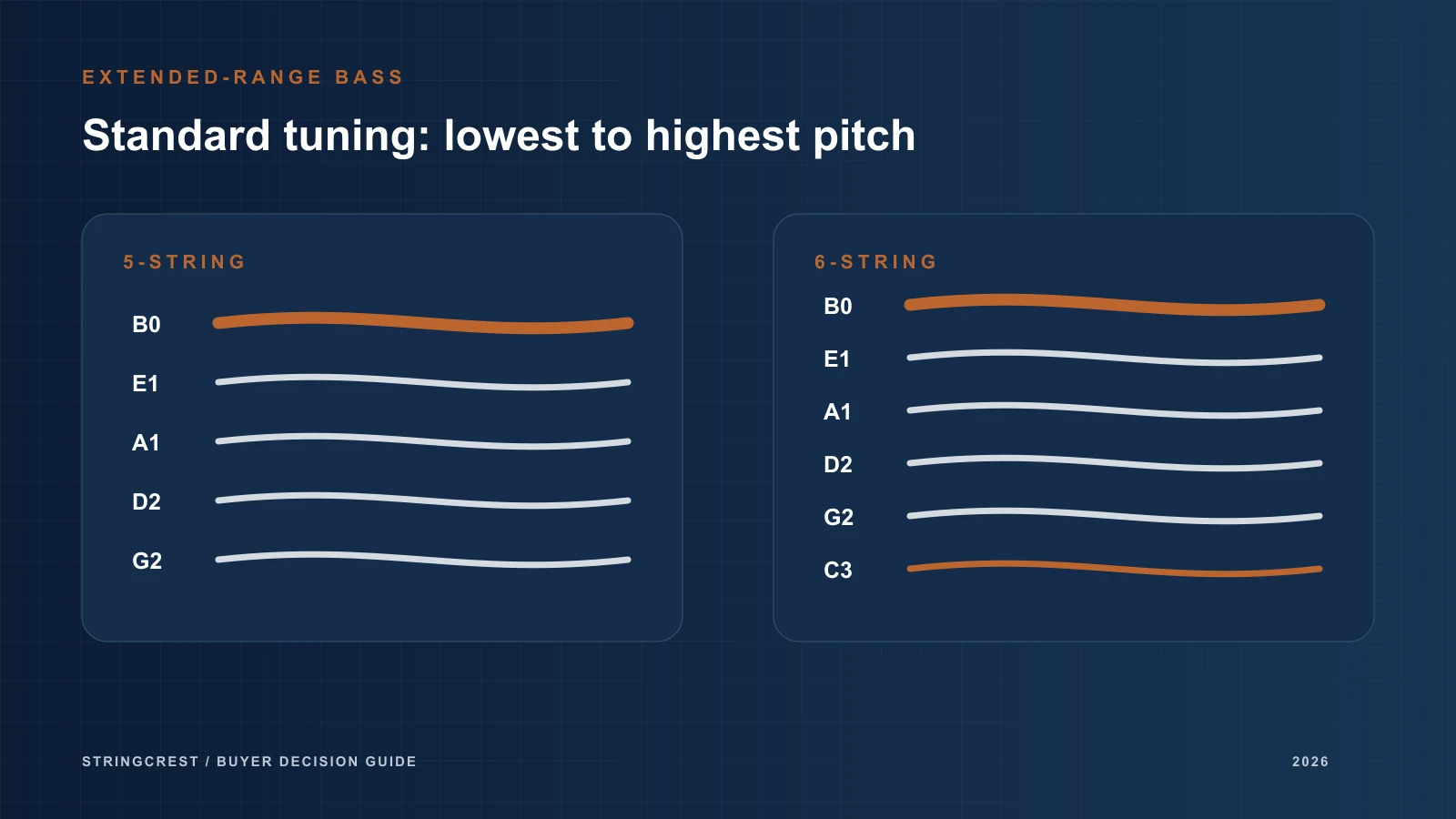
Plan five- and six-string bass ranges by tuning, low-B and high-C position, scale, winding length, taper, gauge matrix, sample fit, SKU and receiving controls.
Read the guide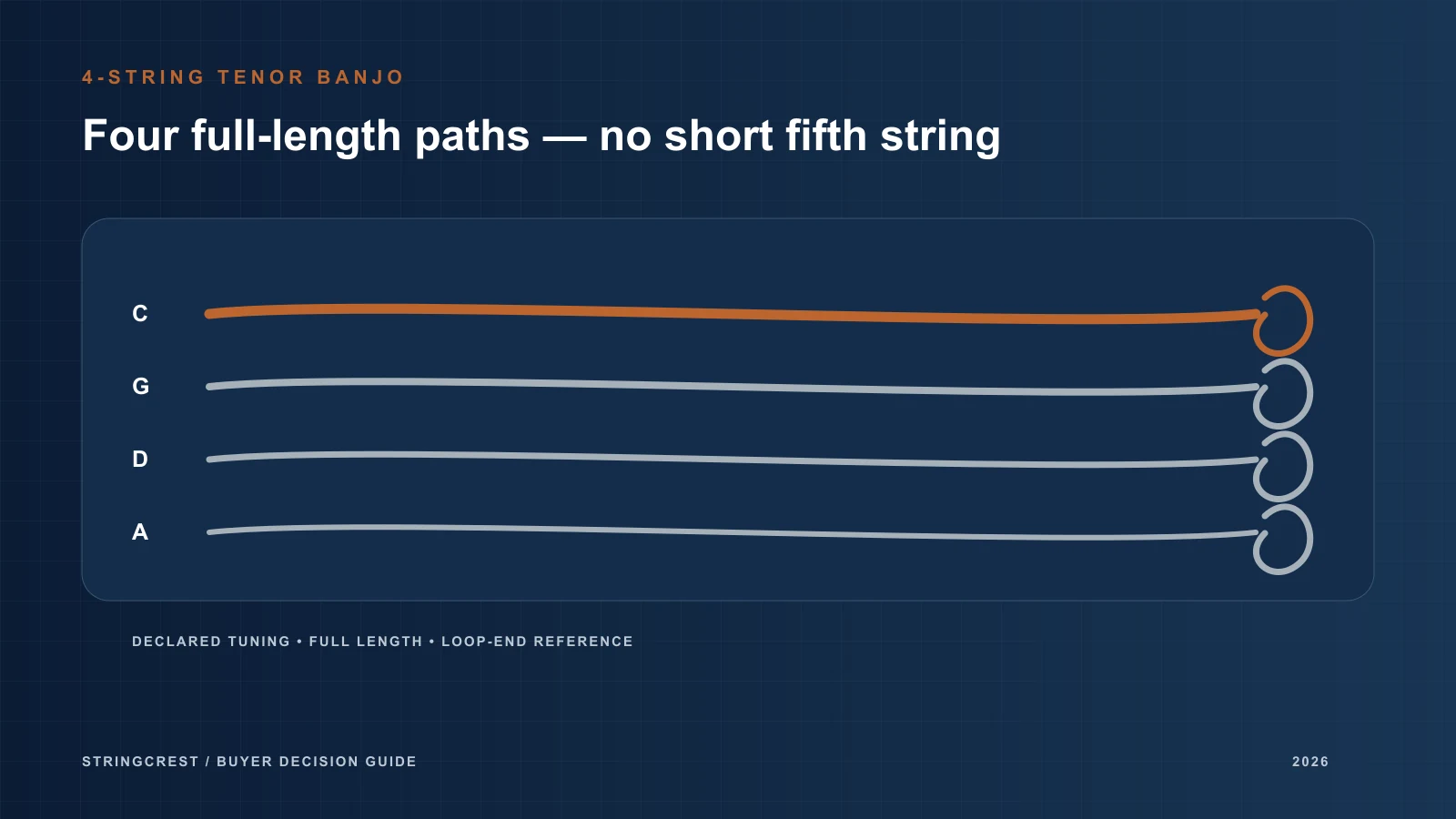
Specify four-string tenor banjo sets by tuning and octave, four full-length positions, plain/wound layout, usable length, loop end, sample fit, pack code and revision.
Read the guide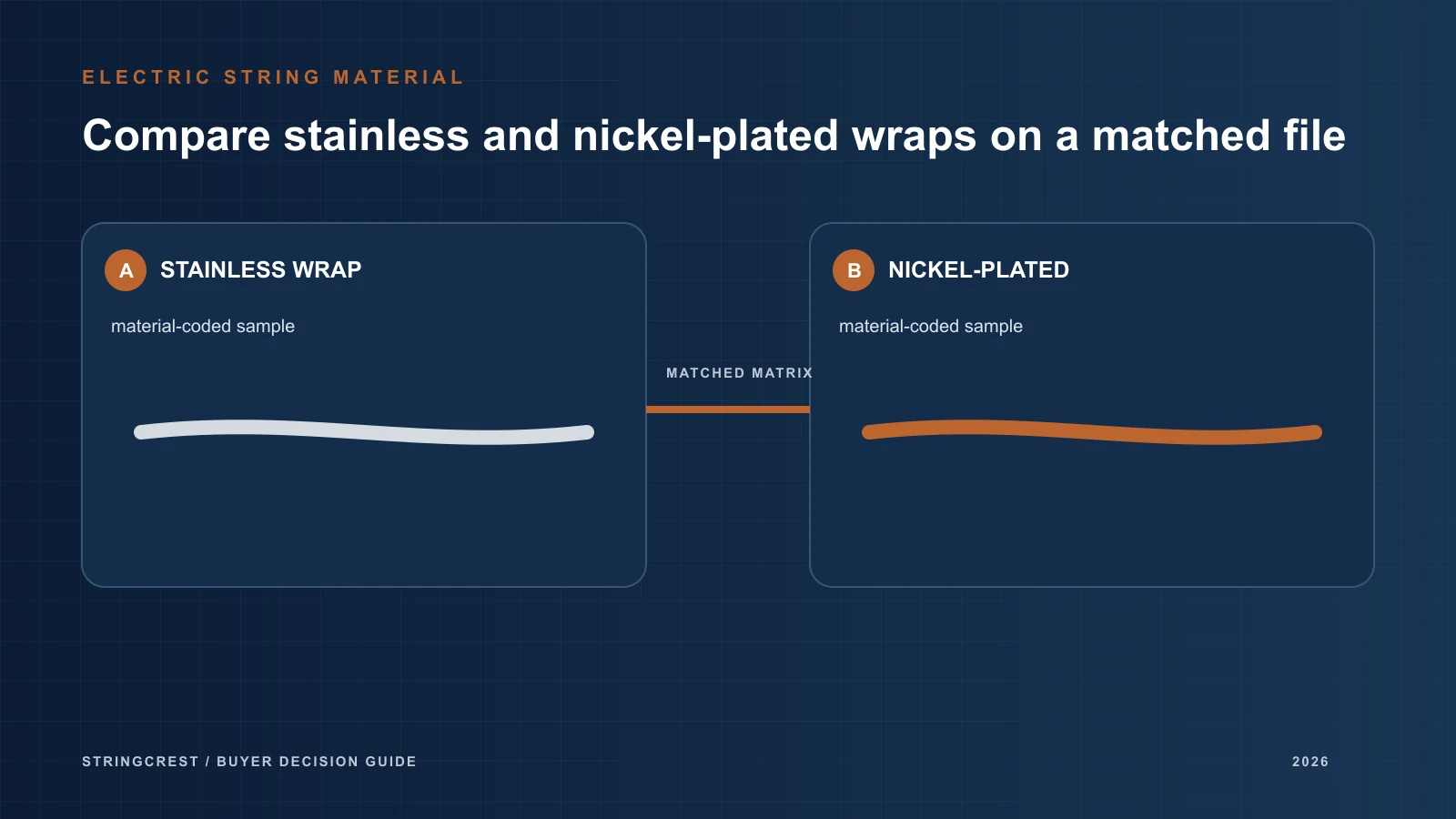
Compare stainless and nickel-plated electric-string ranges by wrap, core, gauges, controlled sample review, setup, packaging and revision.
Read the guide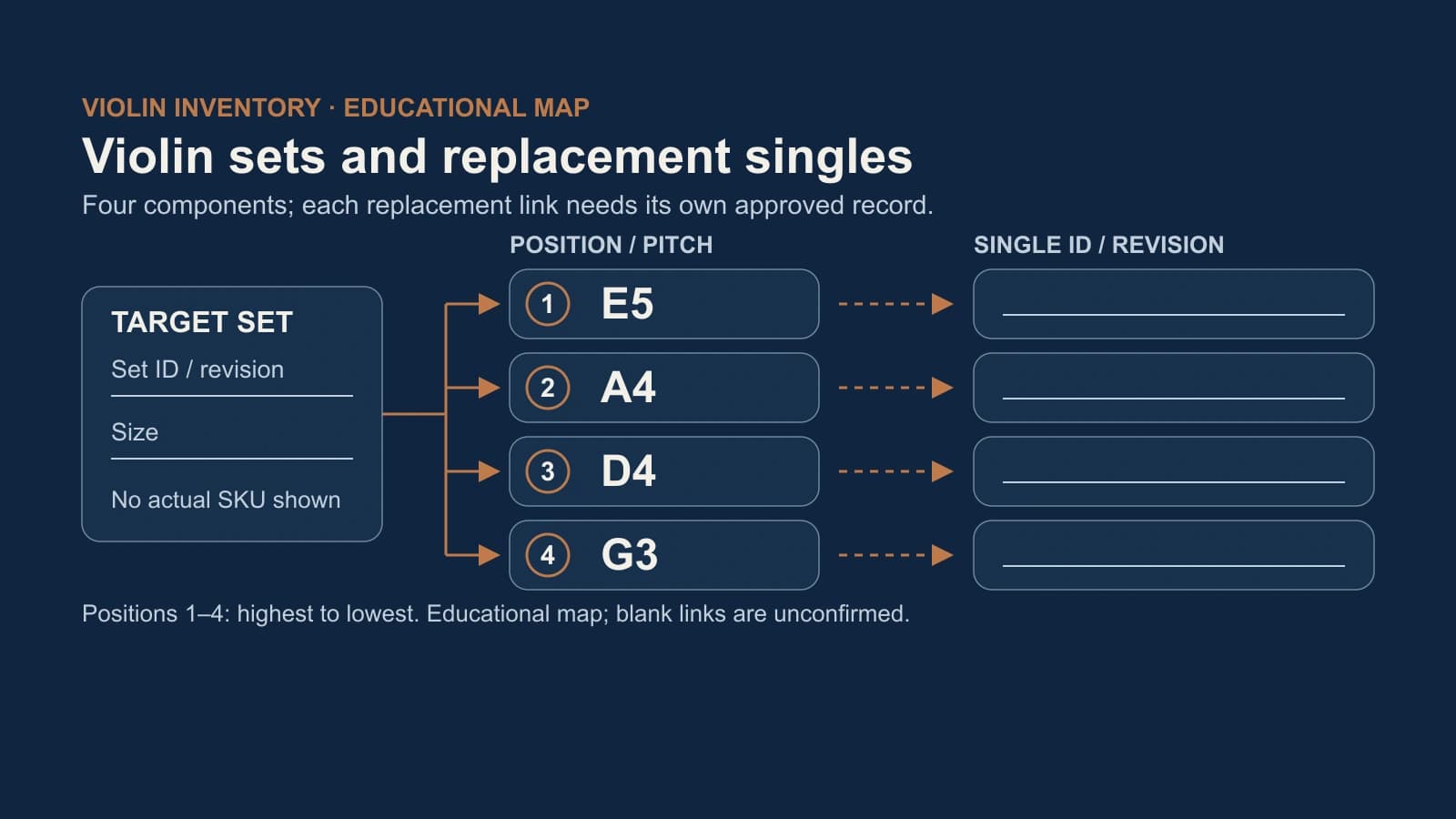
Plan violin string sets and replacement singles by position, size, construction, end type, service demand, SKU identity, reorder rules and receiving checks.
Read the guide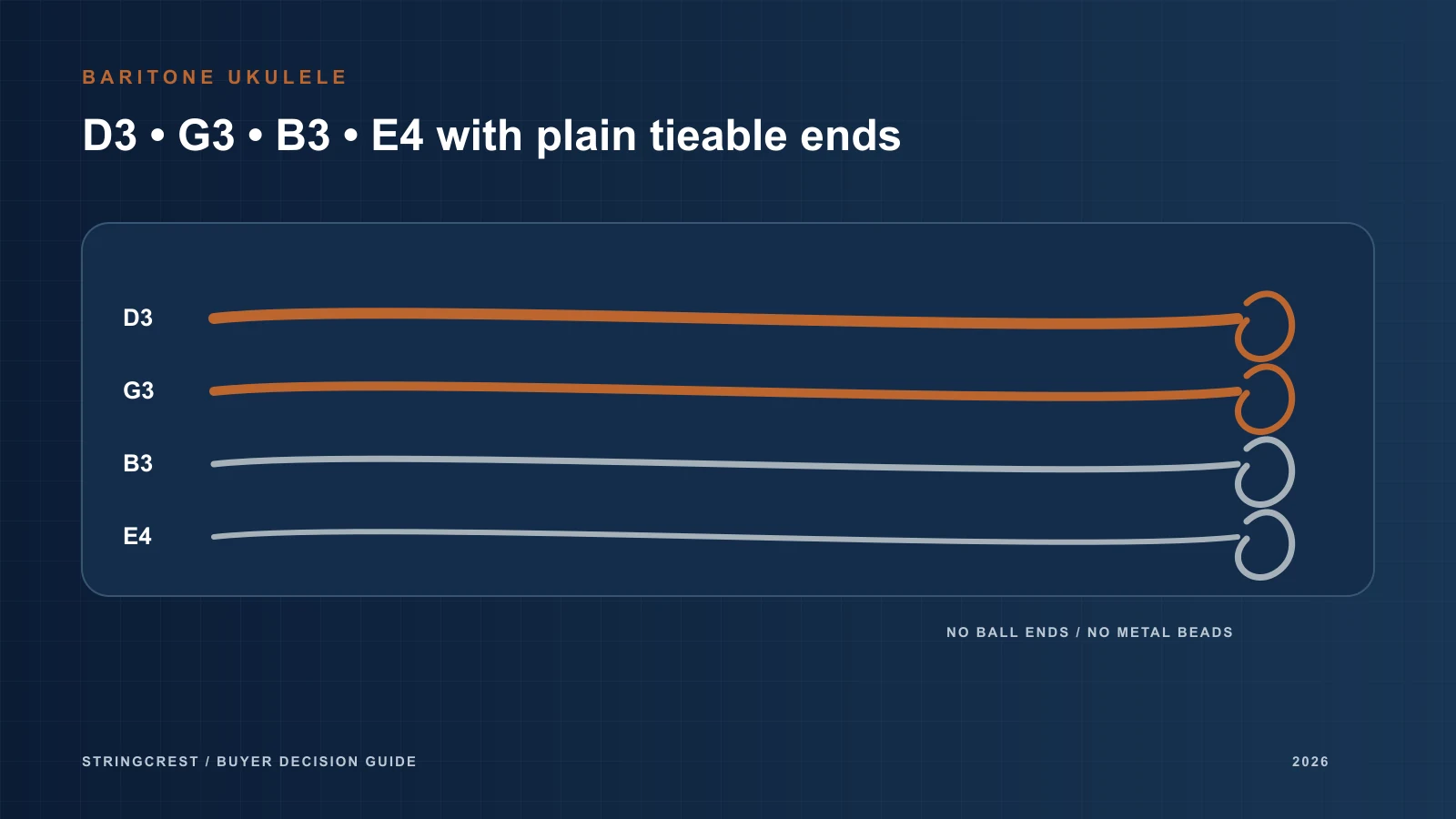
Specify baritone ukulele strings by DGBE tuning, scale, four-position construction, wound-string count, tie end, sample fit, packaging and SKU identity.
Read the guide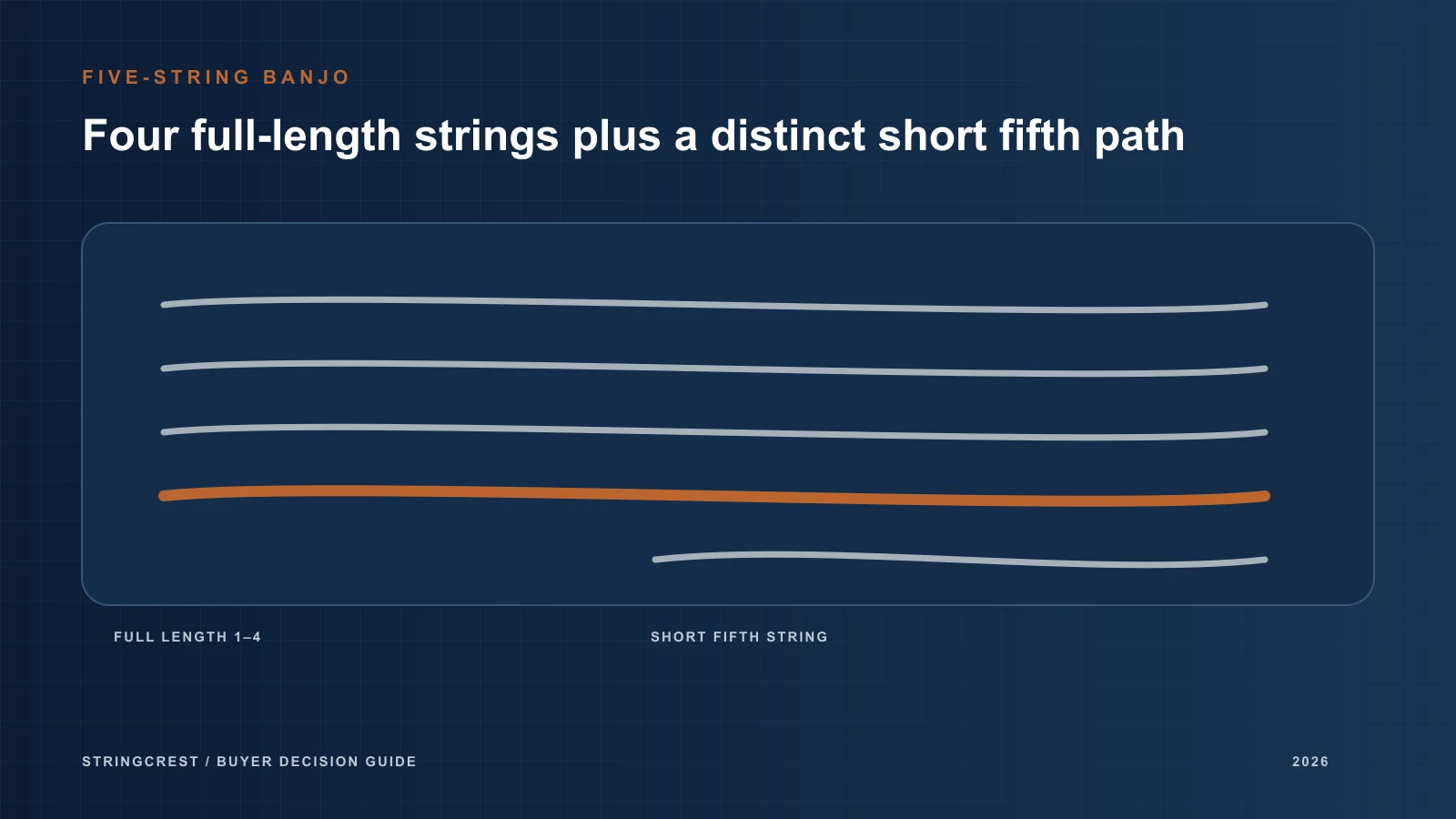
Specify 5-string banjo sets by position, tuning, gauge, wound fourth string, short fifth-string path, loop end, usable length, samples, packaging and SKU.
Read the guide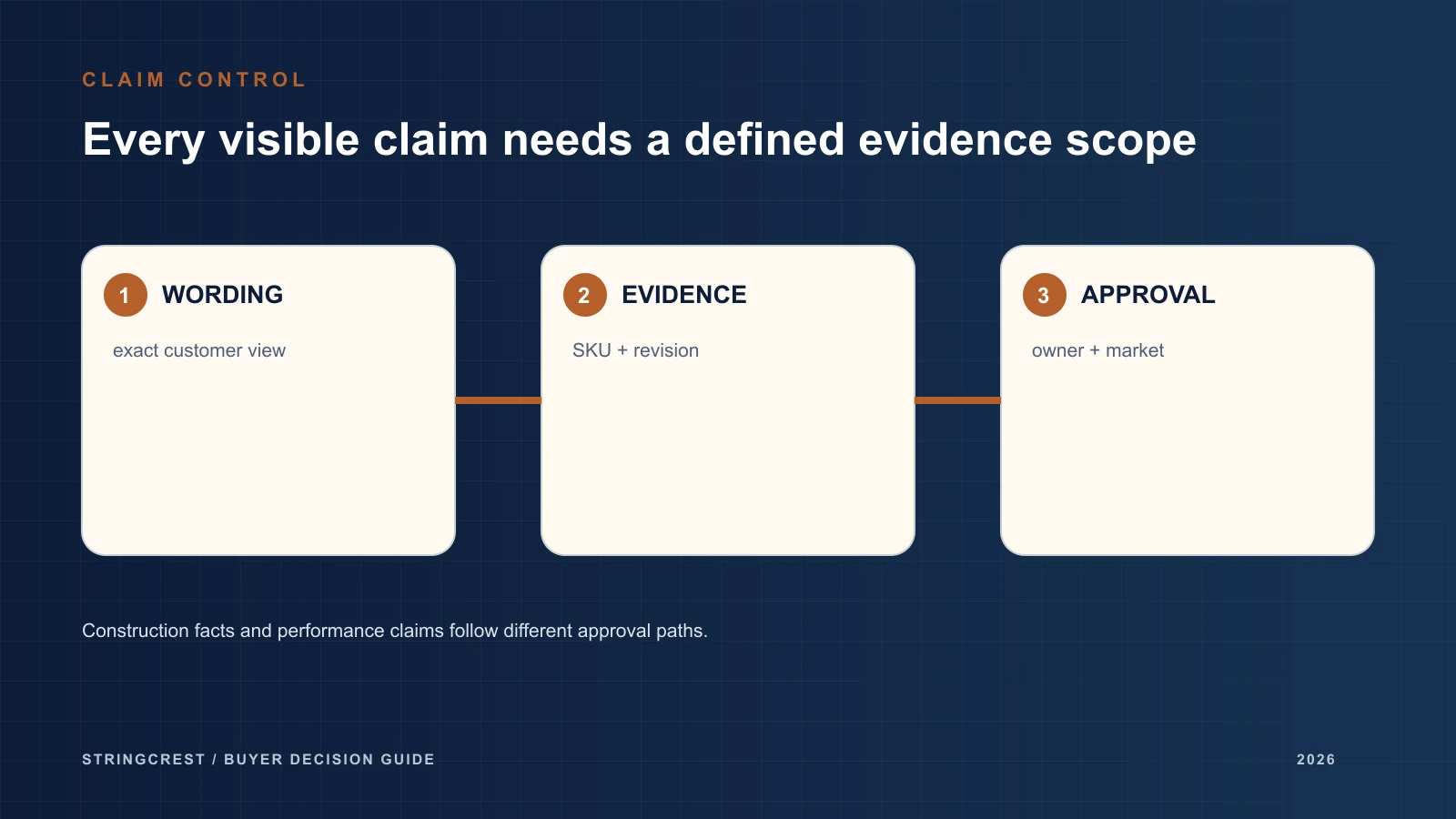
Build an approval file for guitar string packaging claims covering claim wording, evidence scope, artwork revisions, samples, responsible owners and release checks.
Read the guide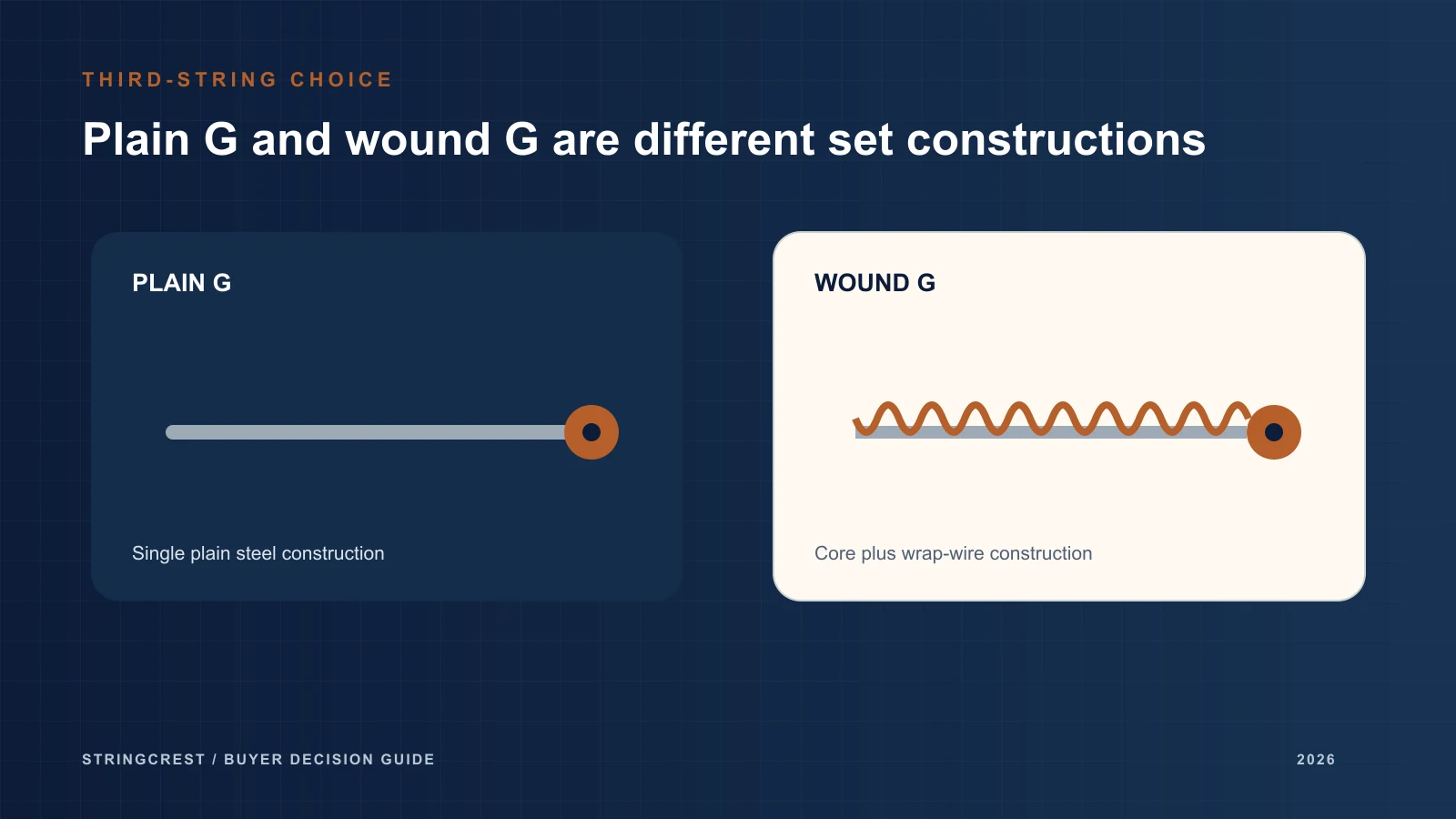
Compare plain and wound G strings by construction, gauge, tension context, setup, sample evaluation, packaging identity and replacement-string planning.
Read the guide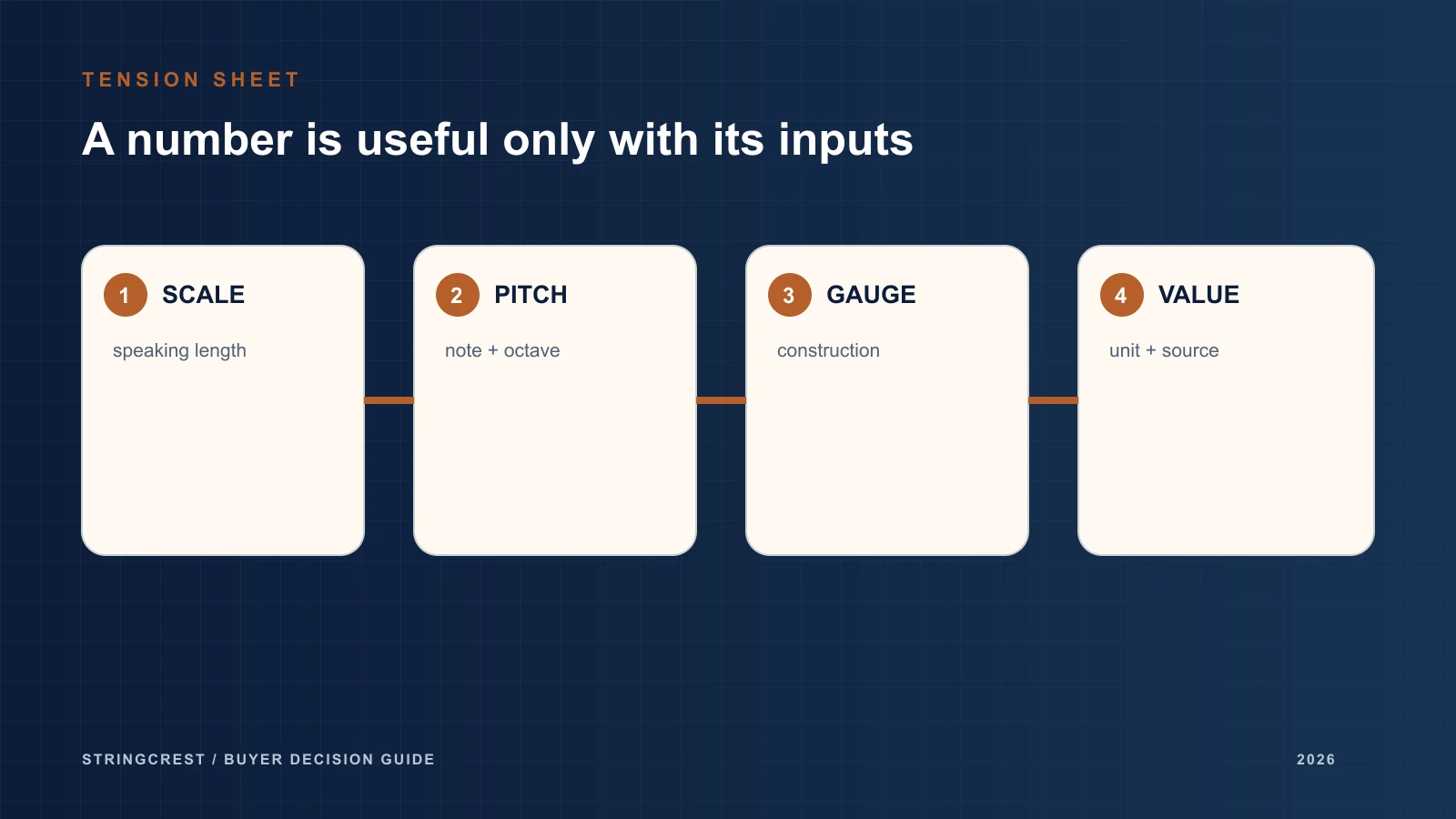
Review acoustic guitar string tension data by gauge, scale length, pitch, construction, units, assumptions, set balance, samples and revision control.
Read the guide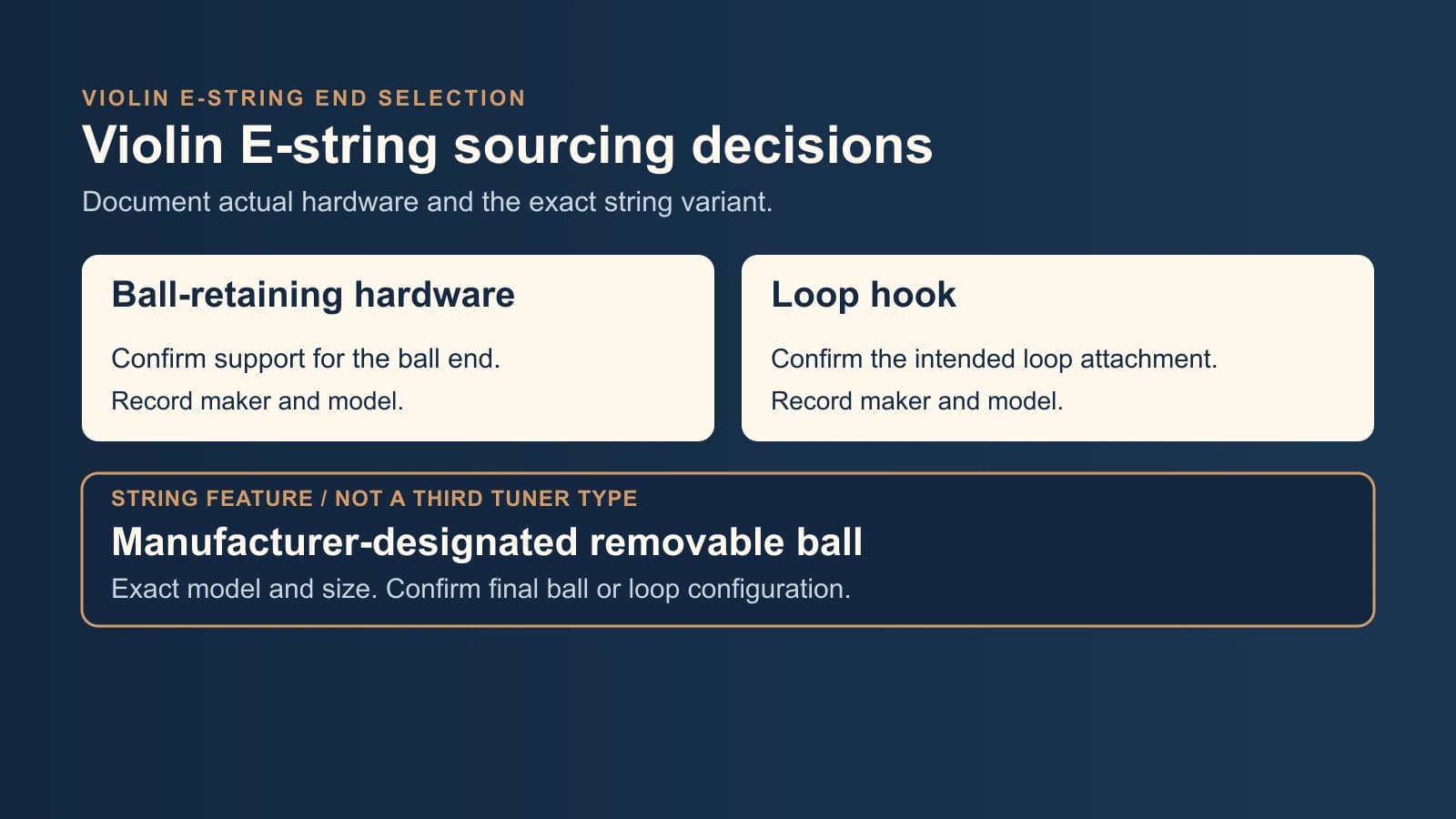
Specify violin E-string ball or loop ends by tailpiece and fine-tuner fit, sample identity, installation checks, packaging and receiving control.
Read the guide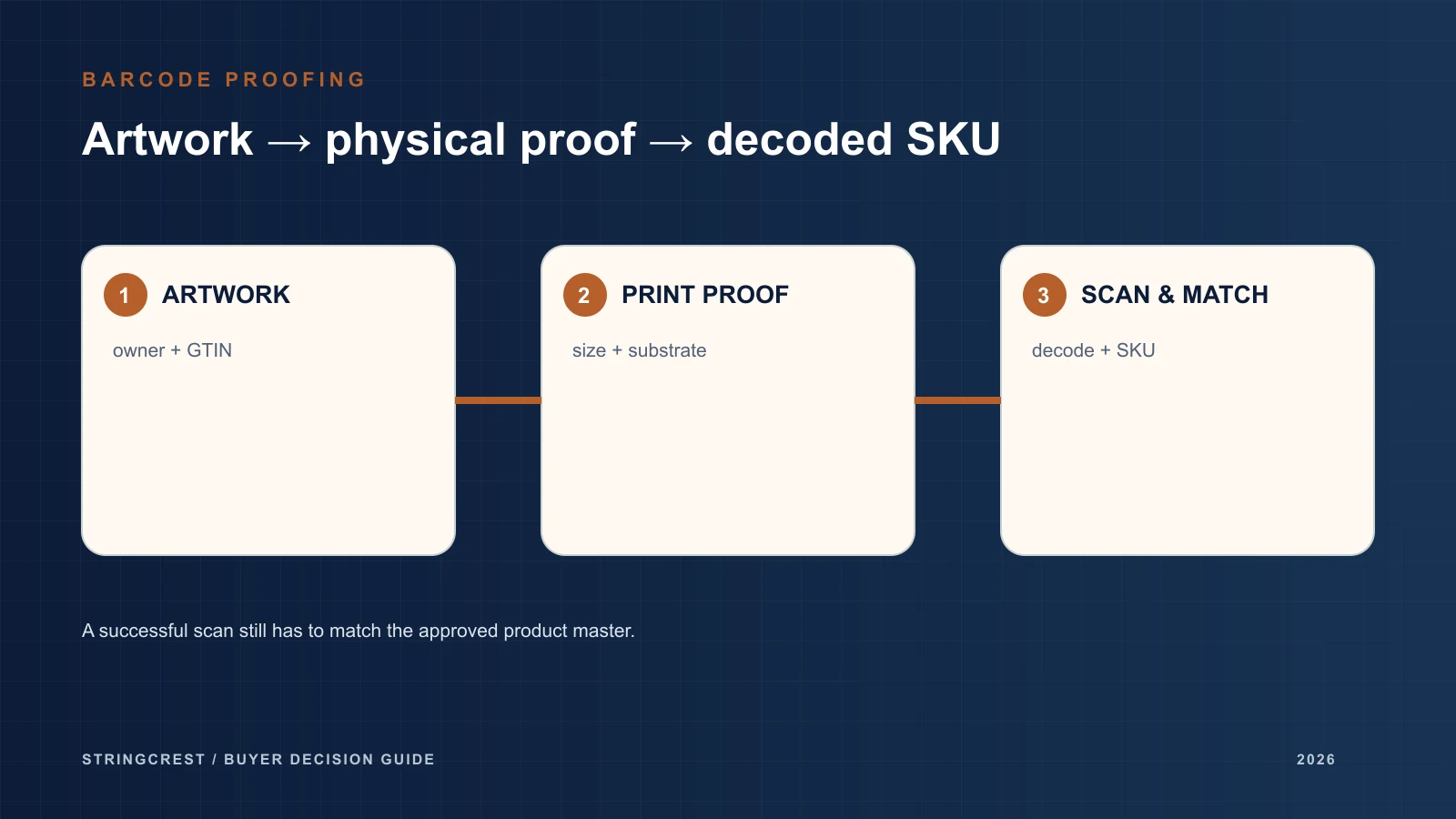
Review guitar string packaging artwork, GTIN ownership, barcode quiet zones, contrast, size, placement, print proof and SKU identity before release.
Read the guide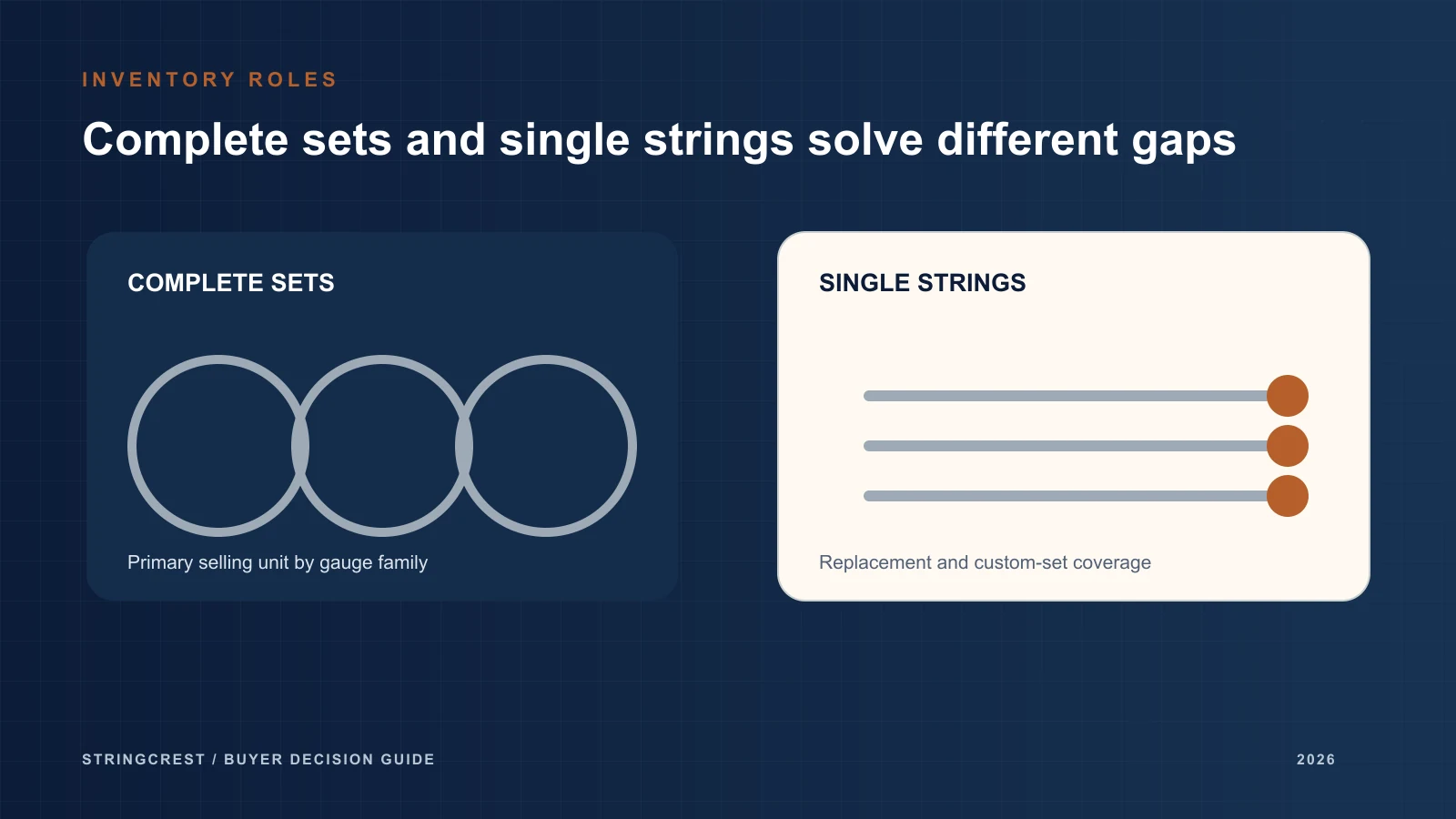
Plan bulk guitar string inventory with complete-set demand, single-string replacement, SKU depth, reorder points, pack identity and exception controls.
Read the guide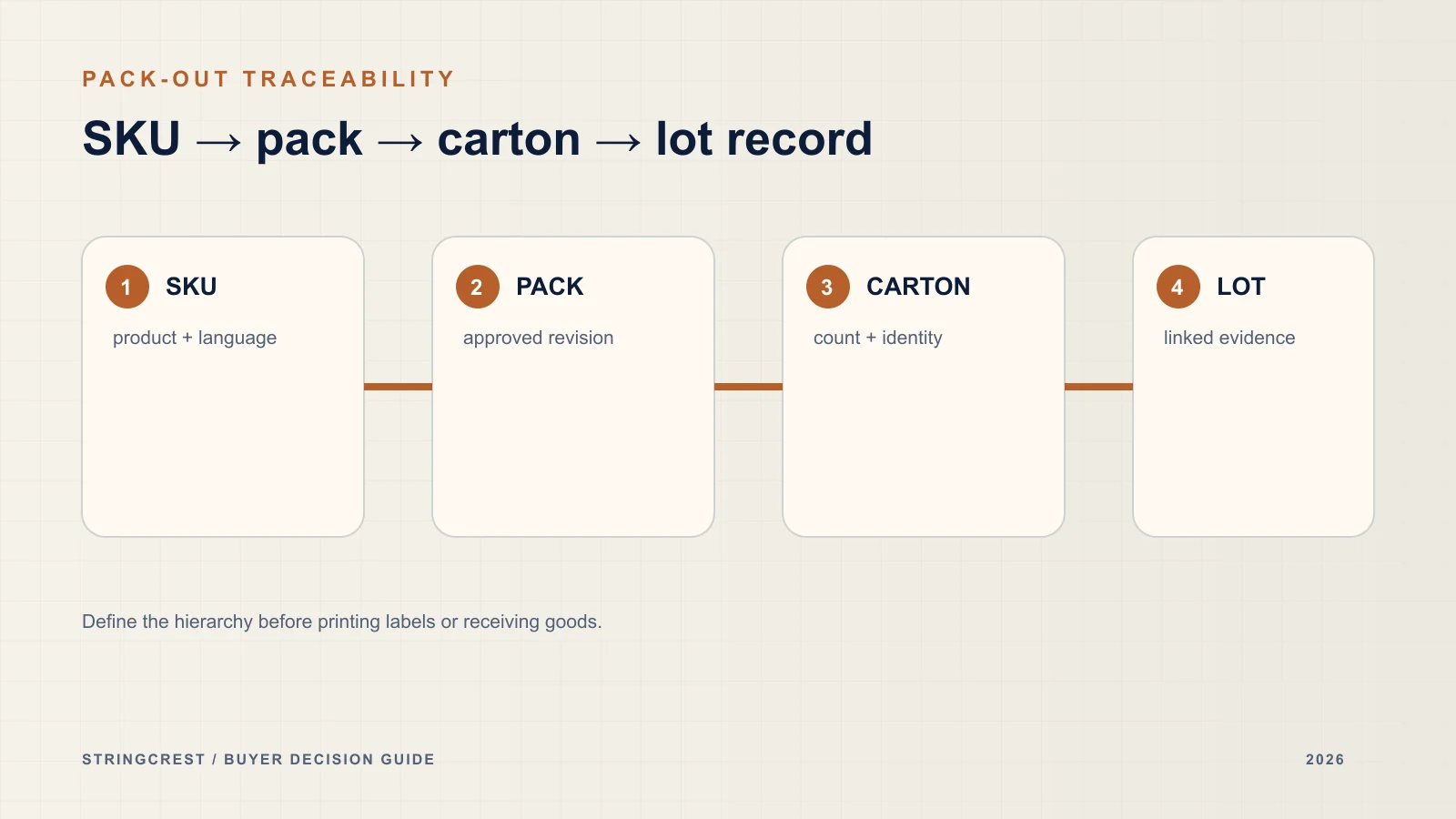
Connect each retail string SKU to its carton quantity, lot evidence and receiving record.
Read the guide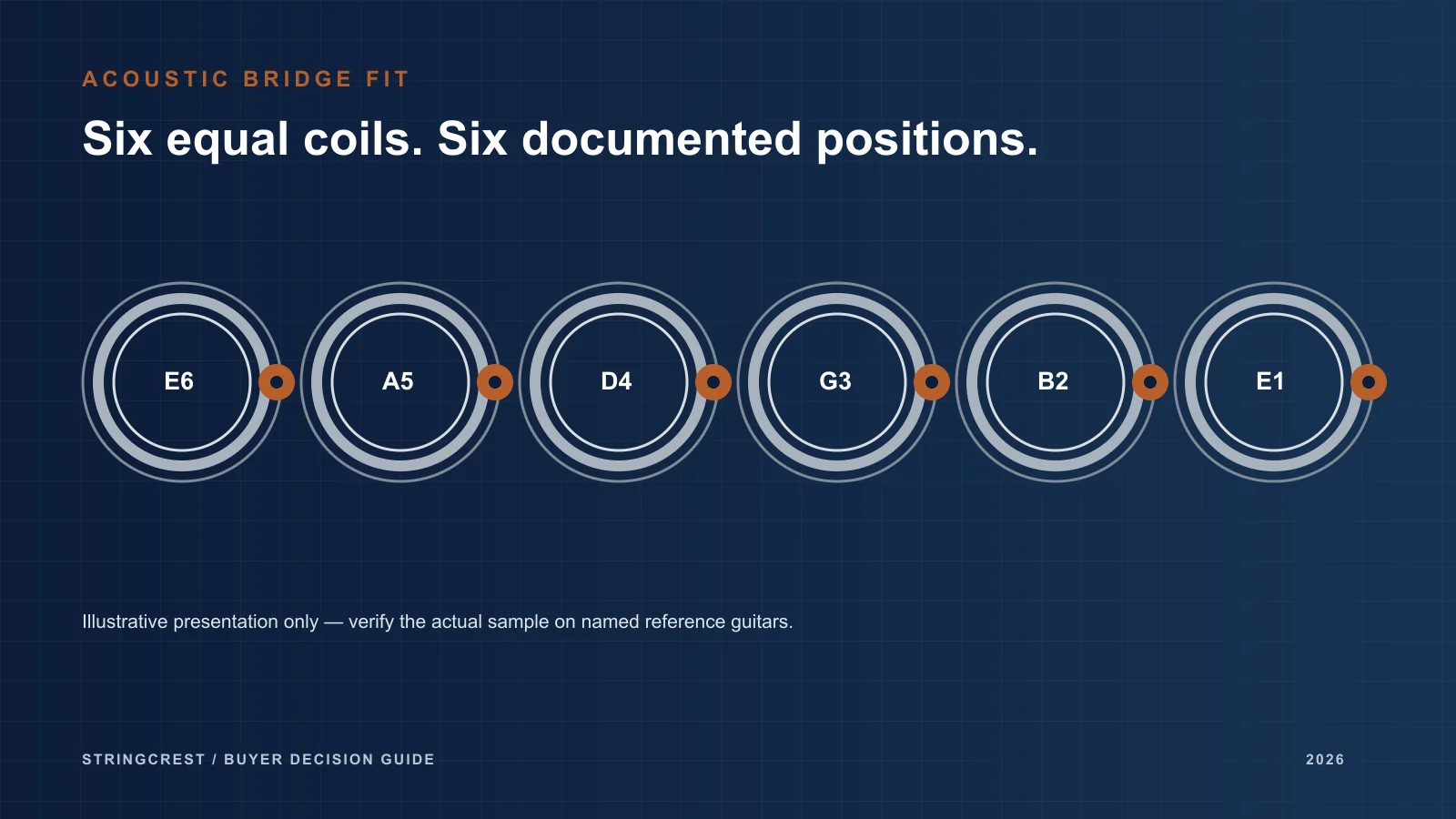
A controlled bridge-fit check for wholesale acoustic guitar string samples.
Read the guide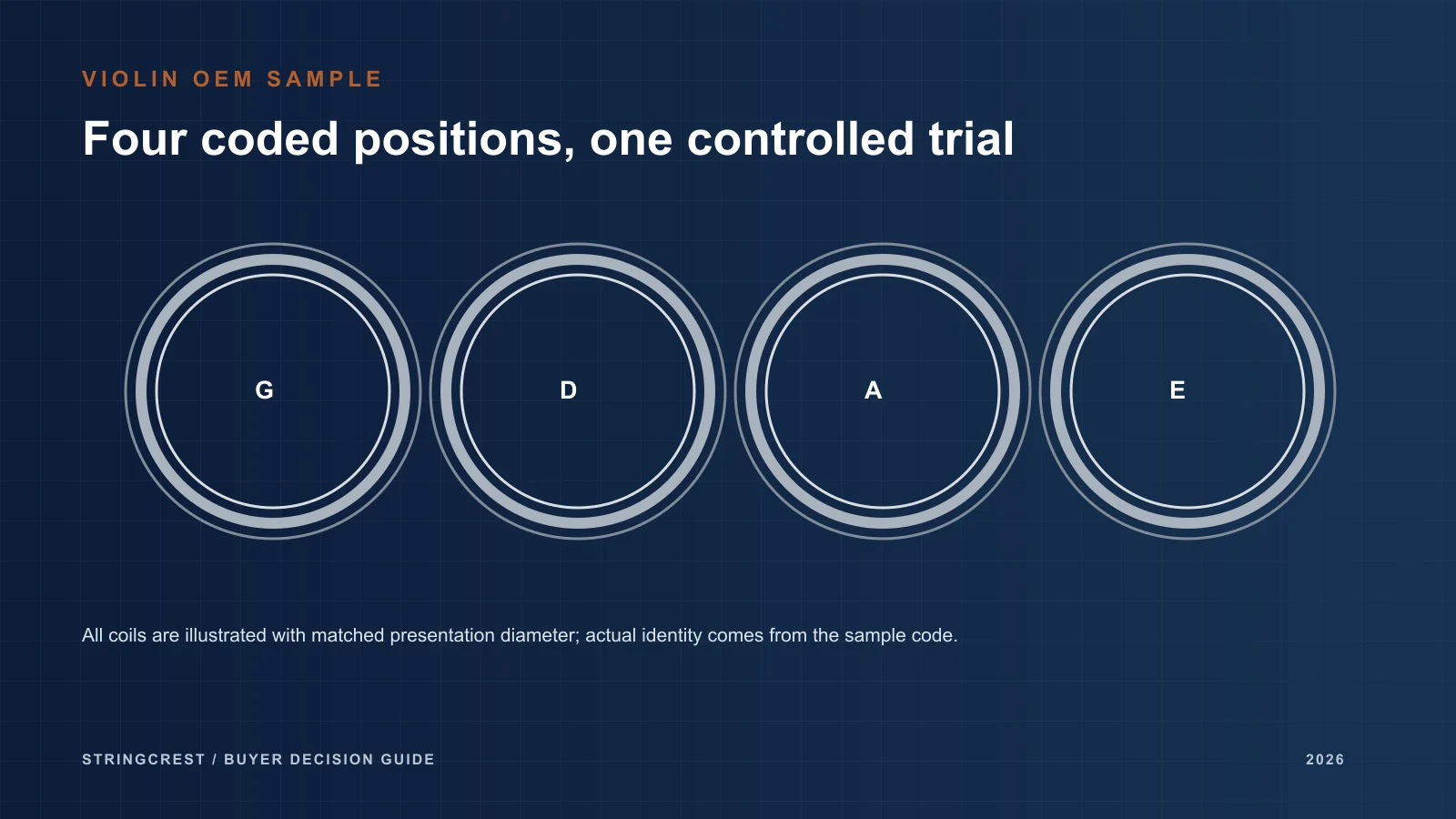
Turn a four-string violin trial into a traceable wholesale production reference.
Read the guide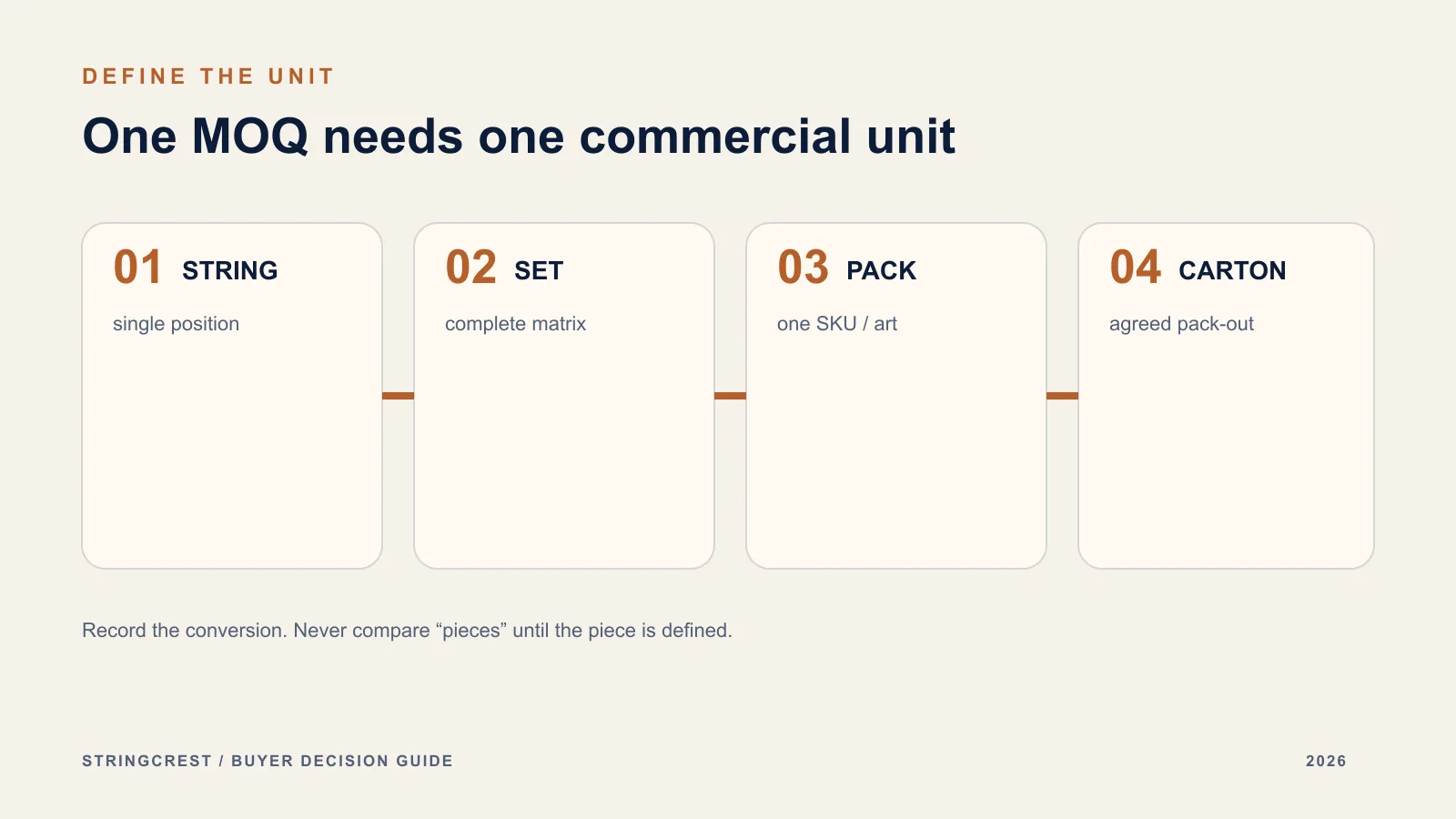
Map product, packaging and SKU decisions before comparing private-label guitar string minimums.
Read the guide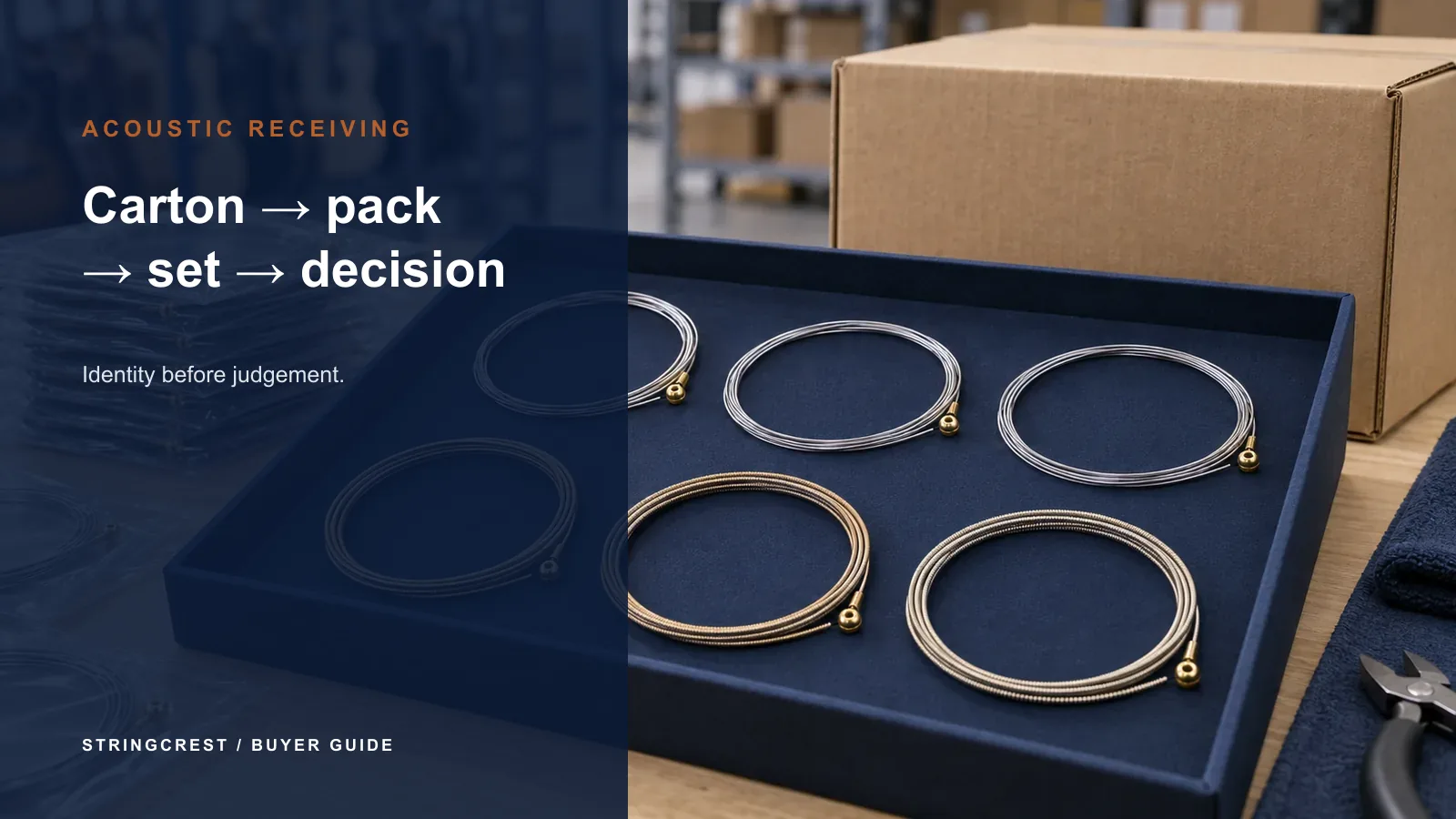
A carton-to-string receiving workflow for wholesale acoustic guitar string shipments.
Read the guide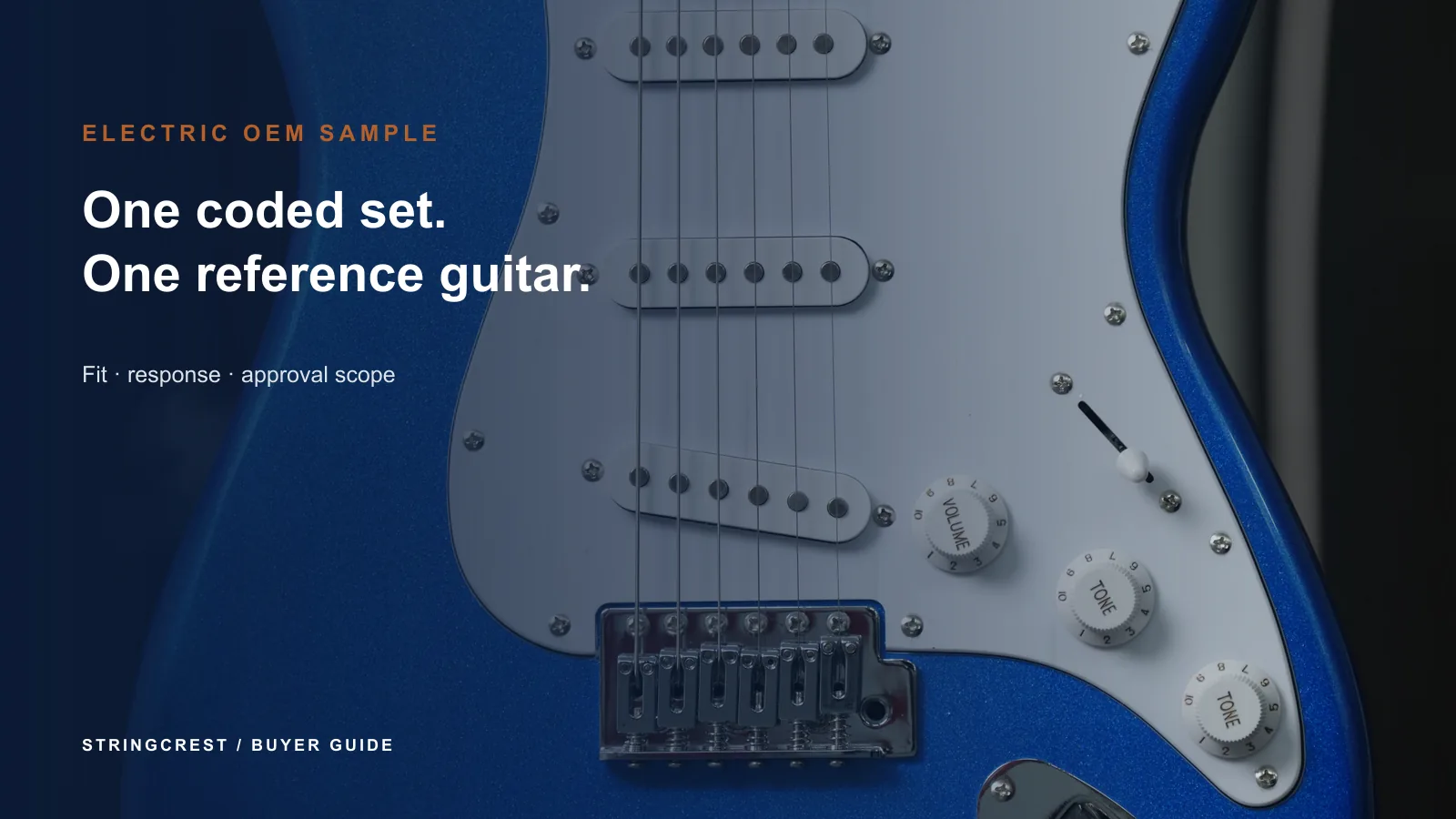
Turn a coded electric string trial into a traceable production reference.
Read the guide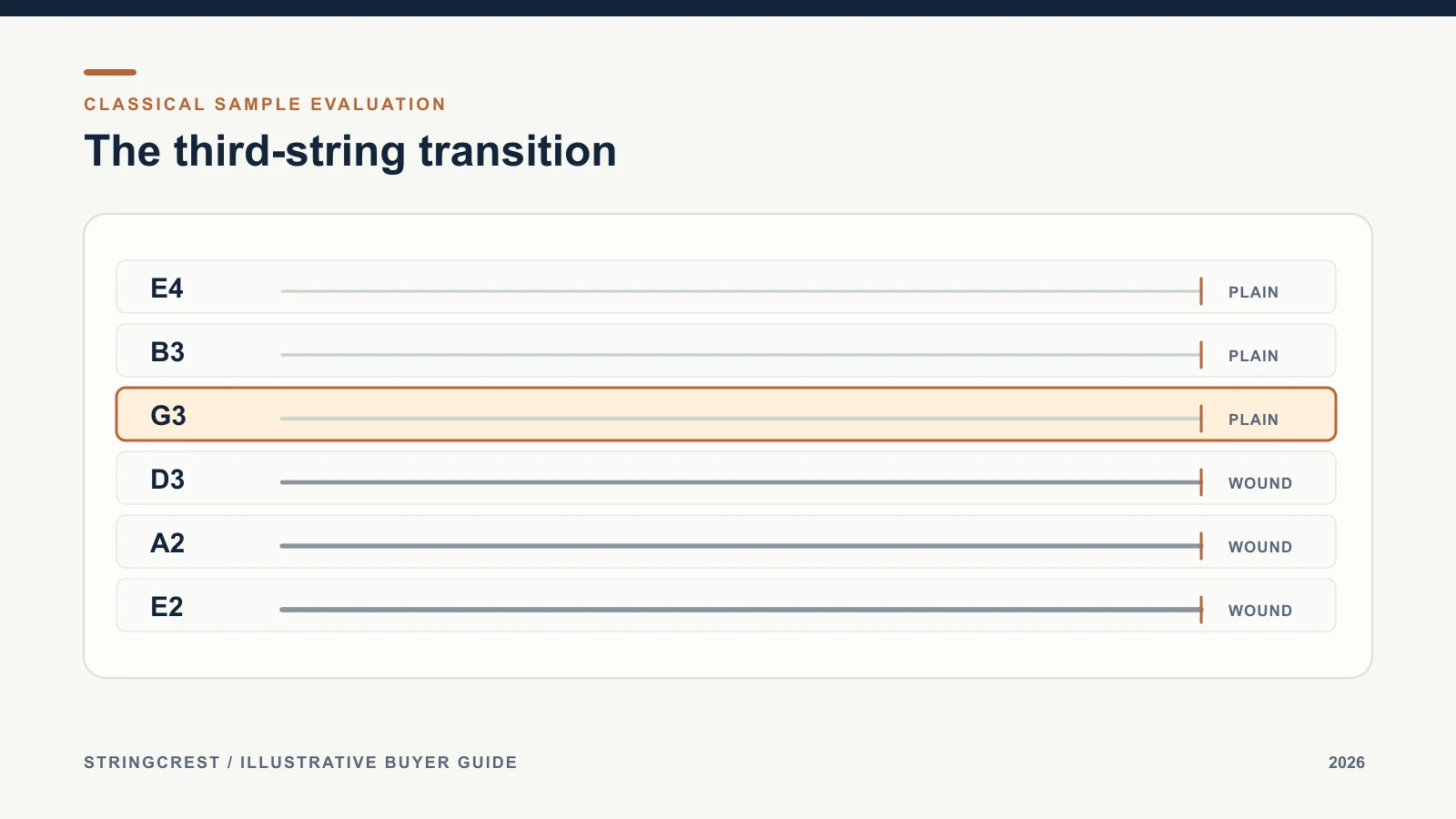
A practical G3 transition test for buyers evaluating private-label classical guitar strings.
Read the guide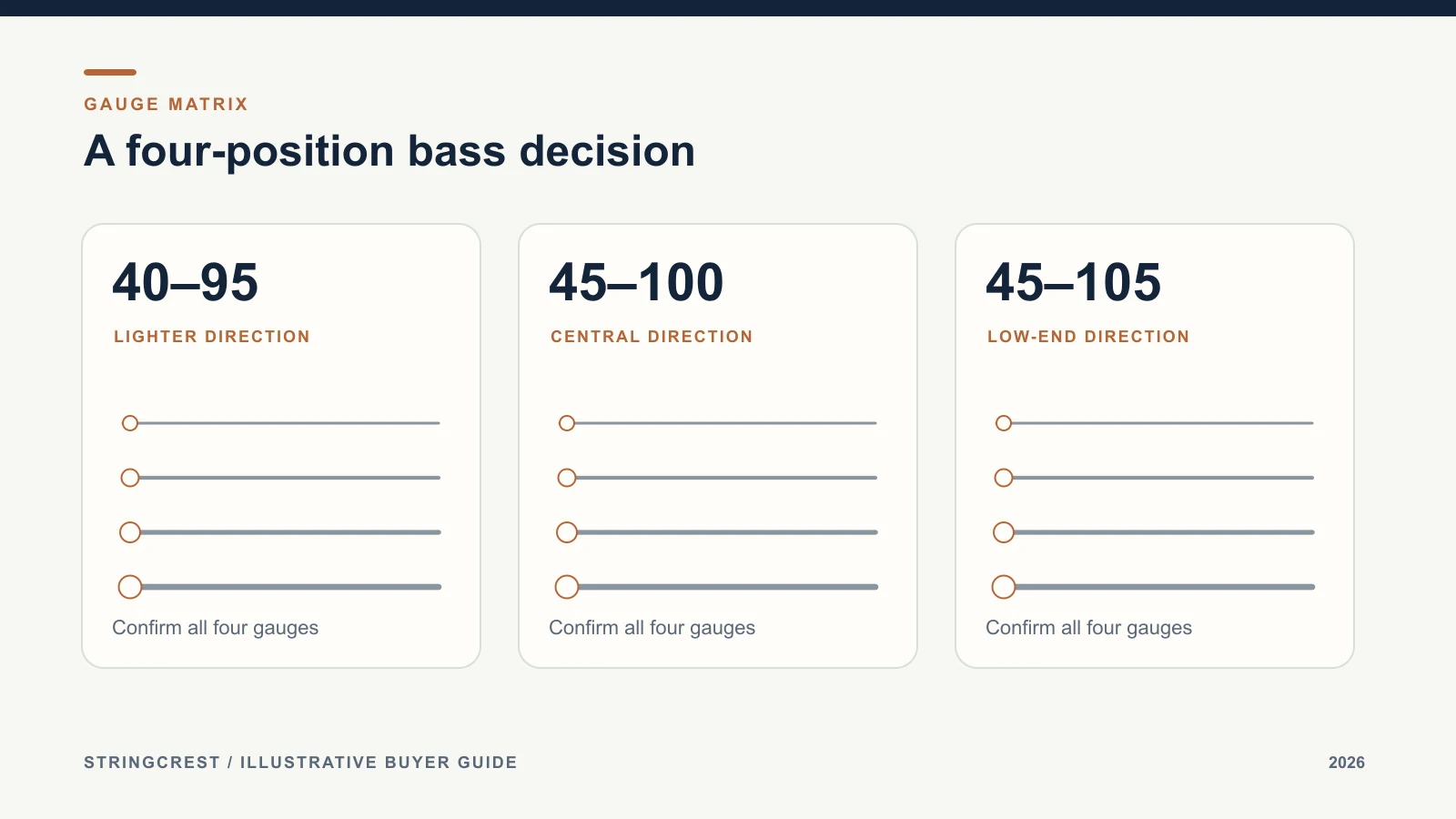
Compare four-string bass gauge sets without guessing the two middle string diameters.
Read the guide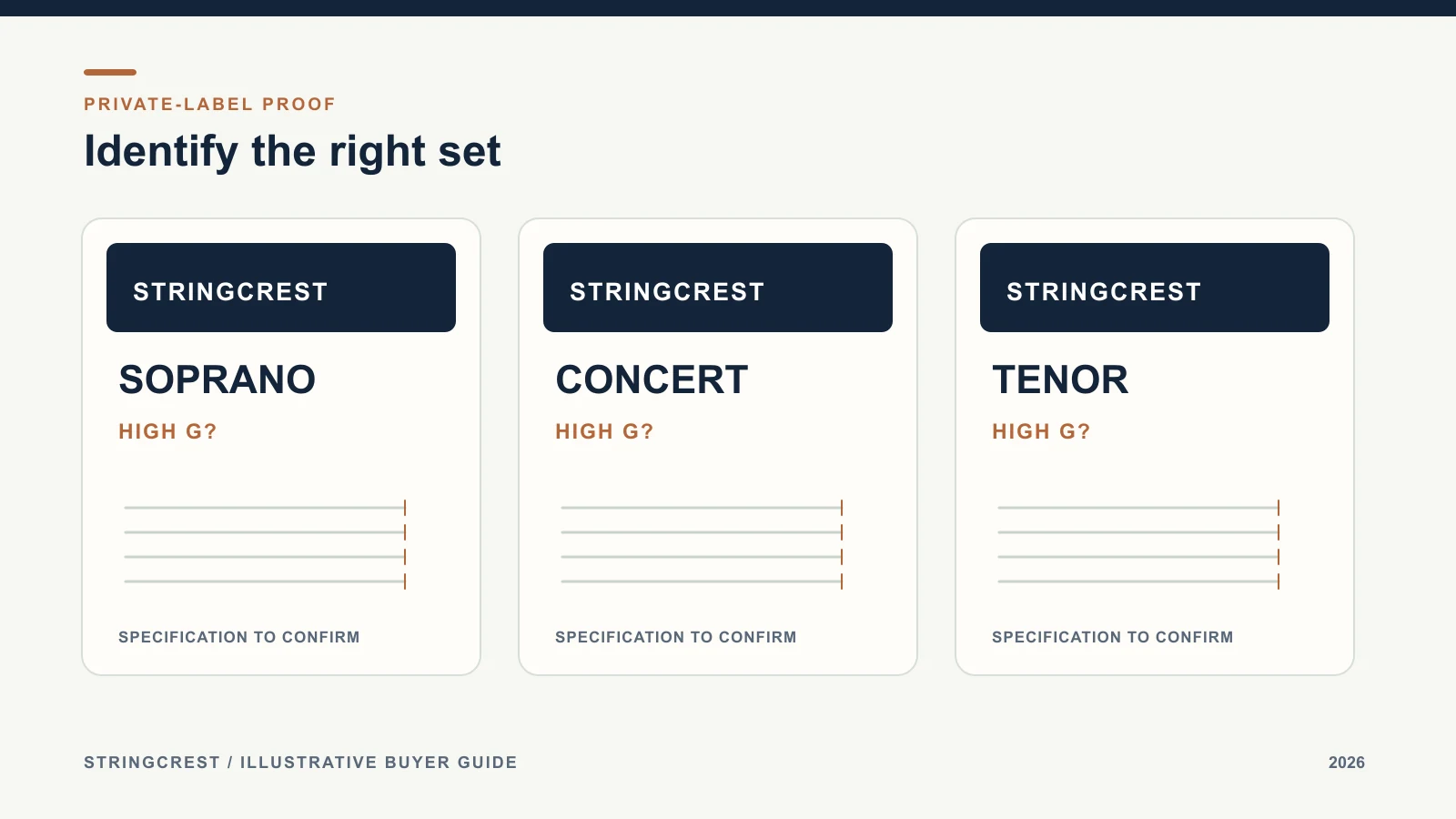
Connect sample identity, four-string data and final artwork to prevent wrong-size ukulele packs.
Read the guide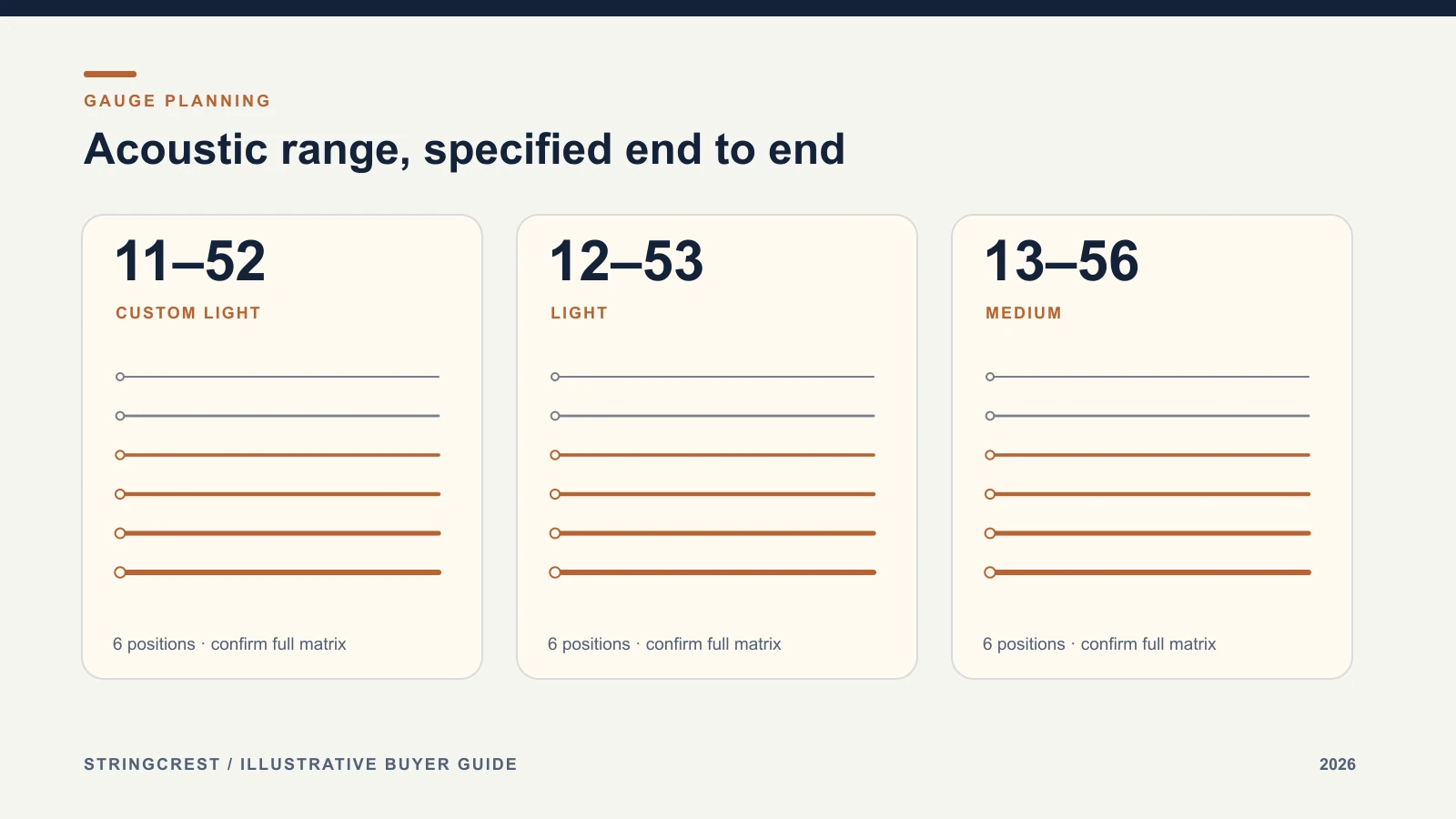
A buyer-first way to compare three acoustic gauge ranges without guessing the four inner string gauges.
Read the guide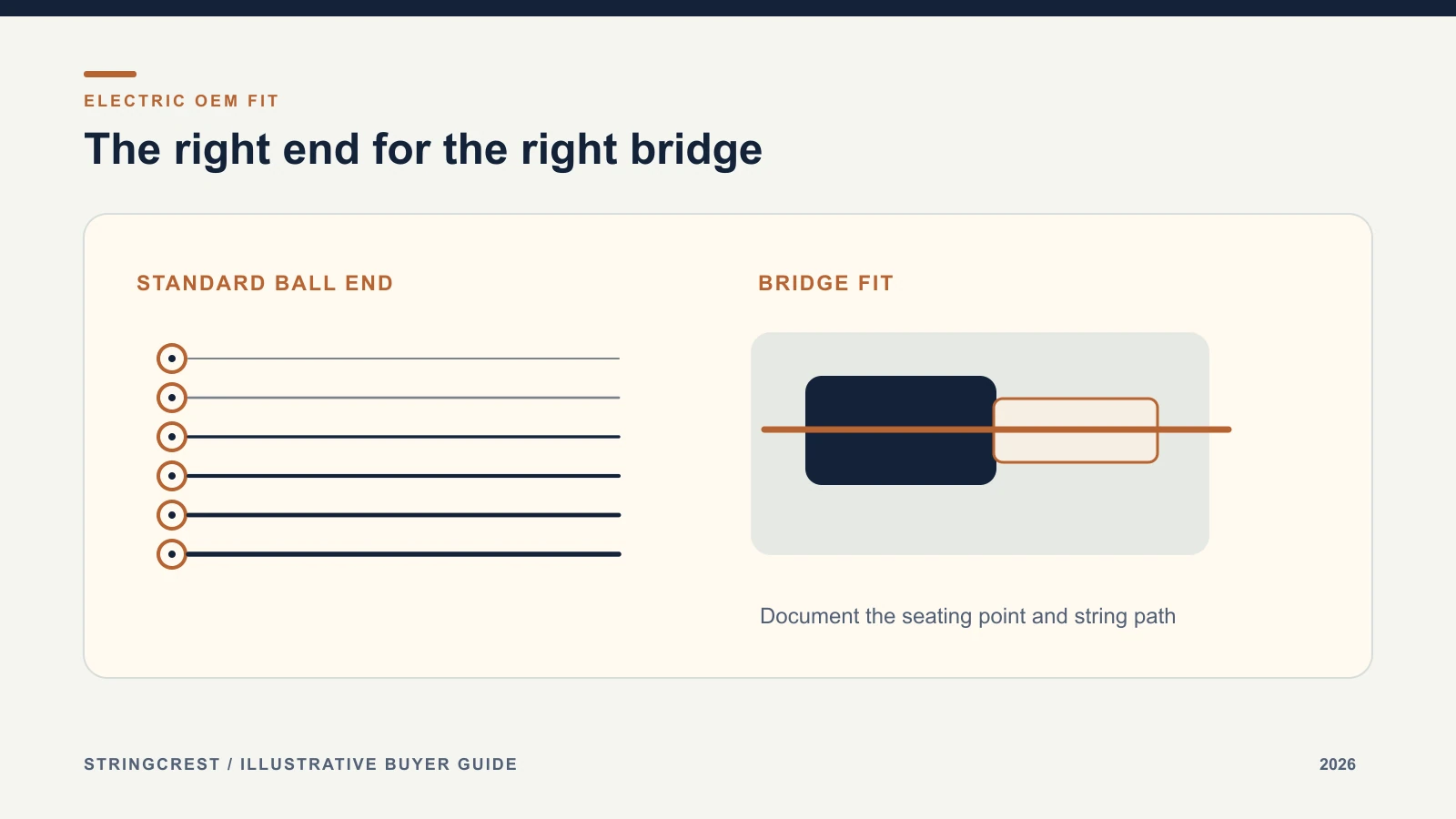
Document bridge paths, standard ball ends and fit testing before approving an OEM electric-string pack.
Read the guide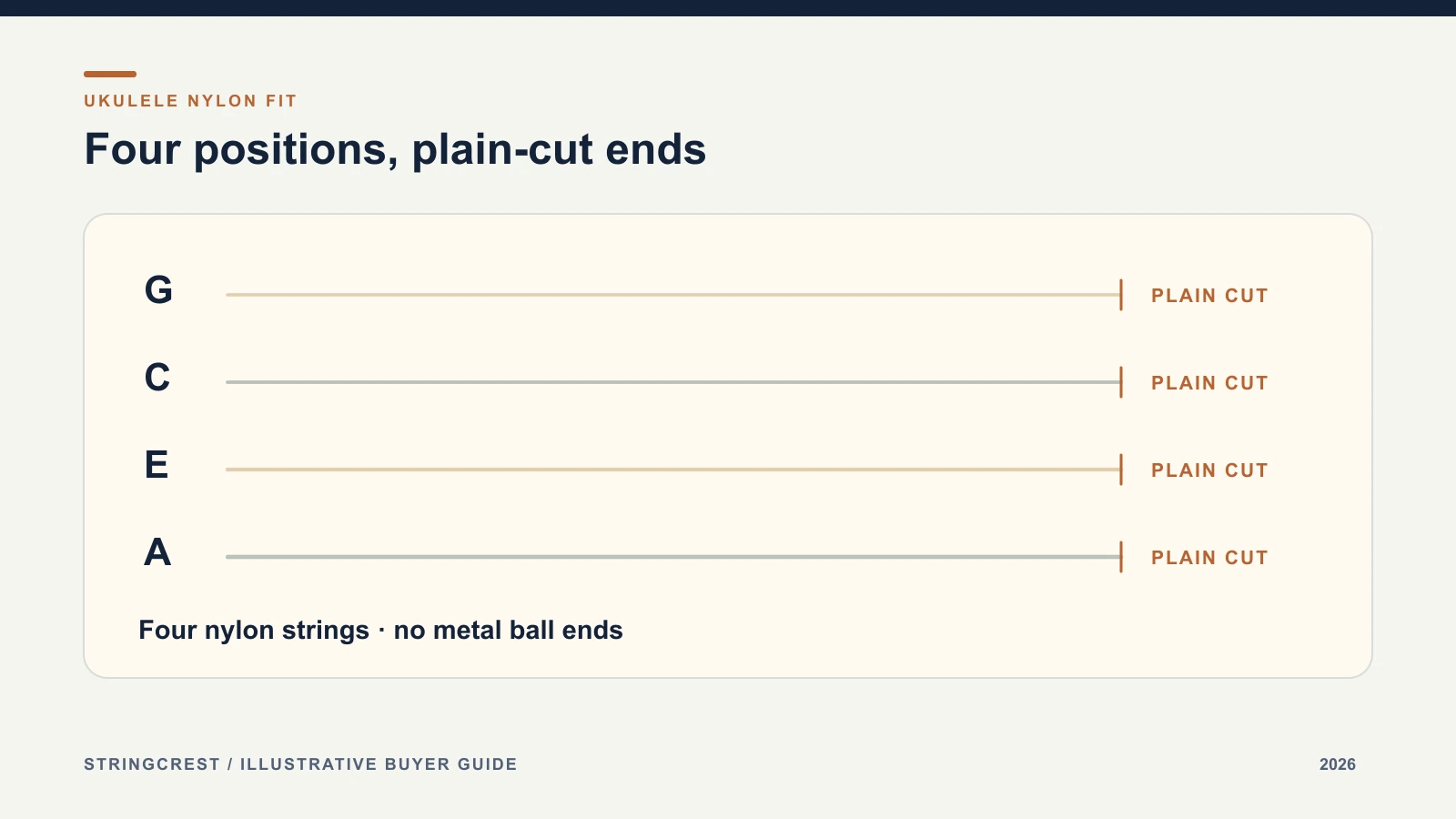
A fit-focused RFQ for four-string nylon ukulele sets with plain ends and size-specific samples.
Read the guide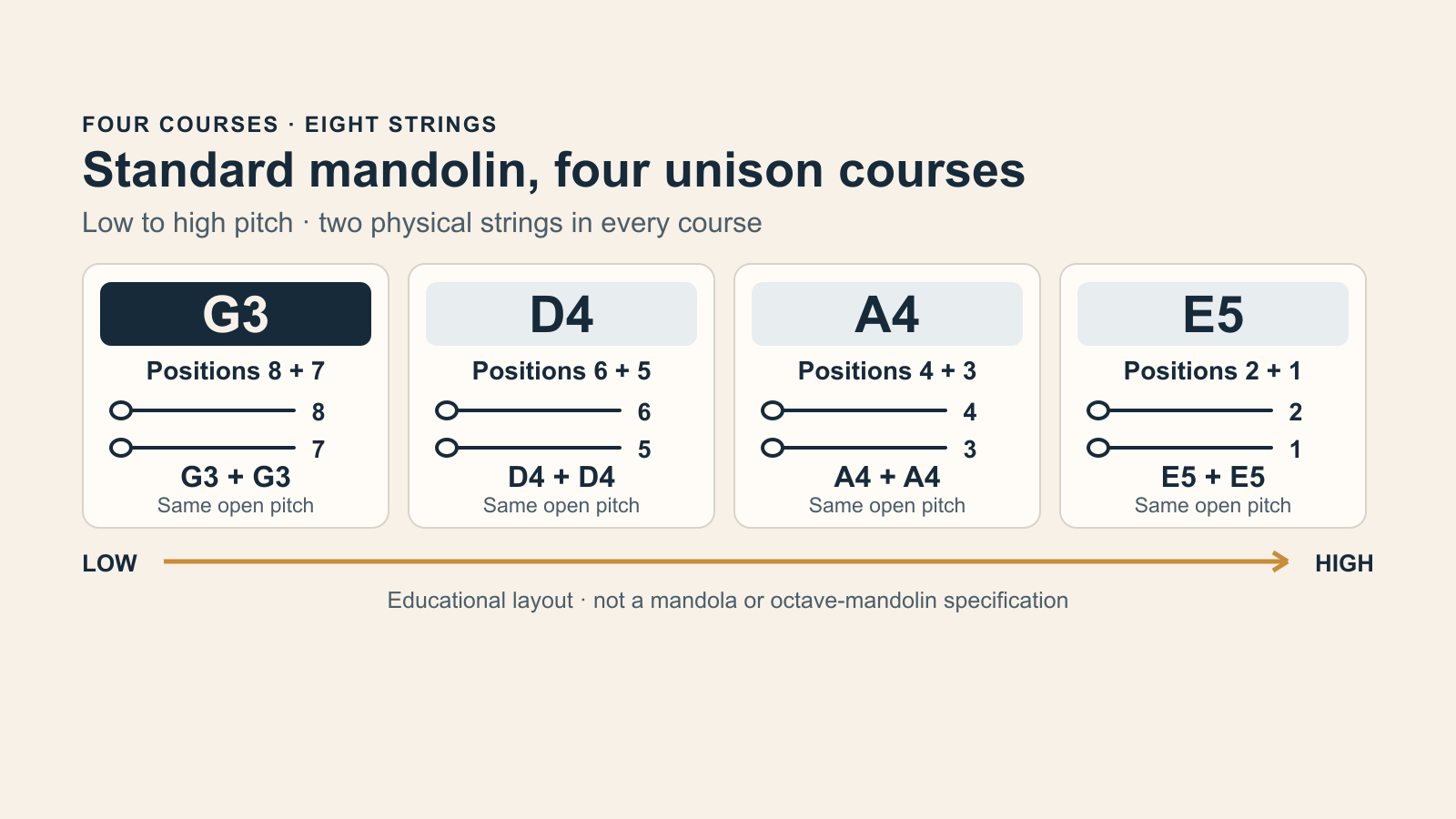
Specify paired courses, loop ends, gauges, materials, replacements, samples and package identity for an eight-string mandolin range.
Read the guide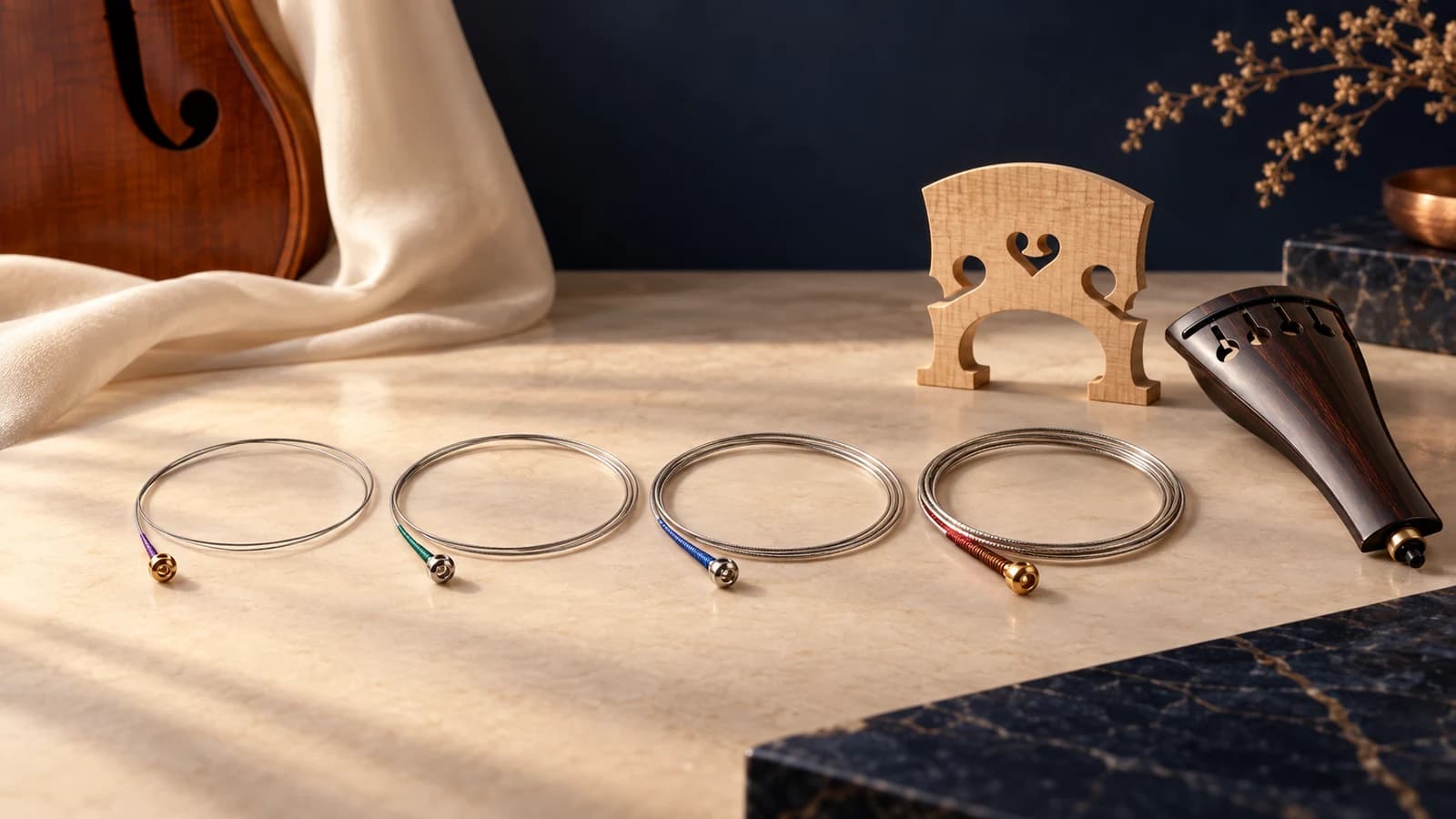
Build a cello RFQ around instrument size, A–D–G–C positions, core family, tension, fit, samples and receiving checks.
Read the guide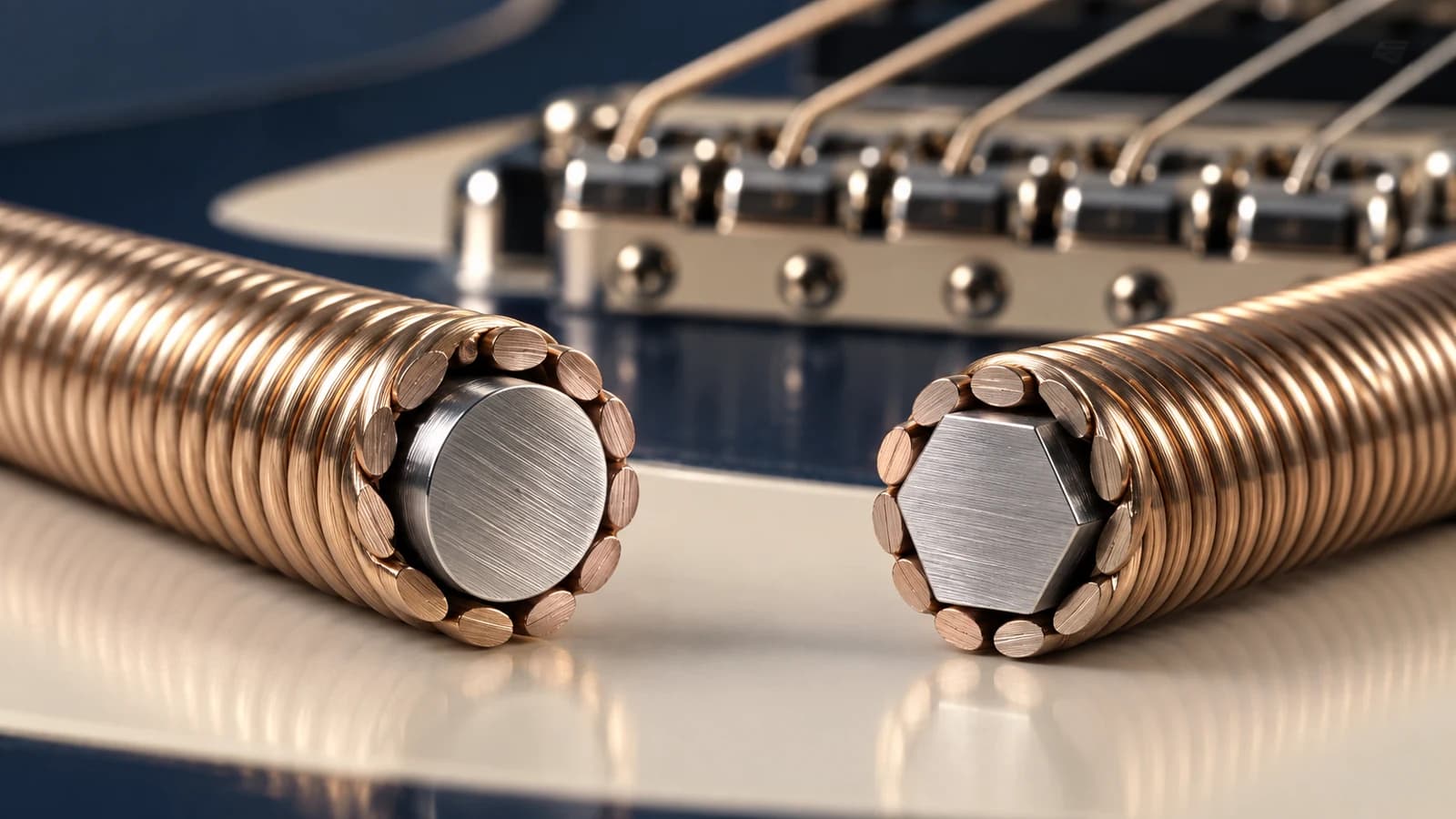
Compare core geometry with controlled gauges, alloy, winding, installation, sample records, packaging and inspection.
Read the guide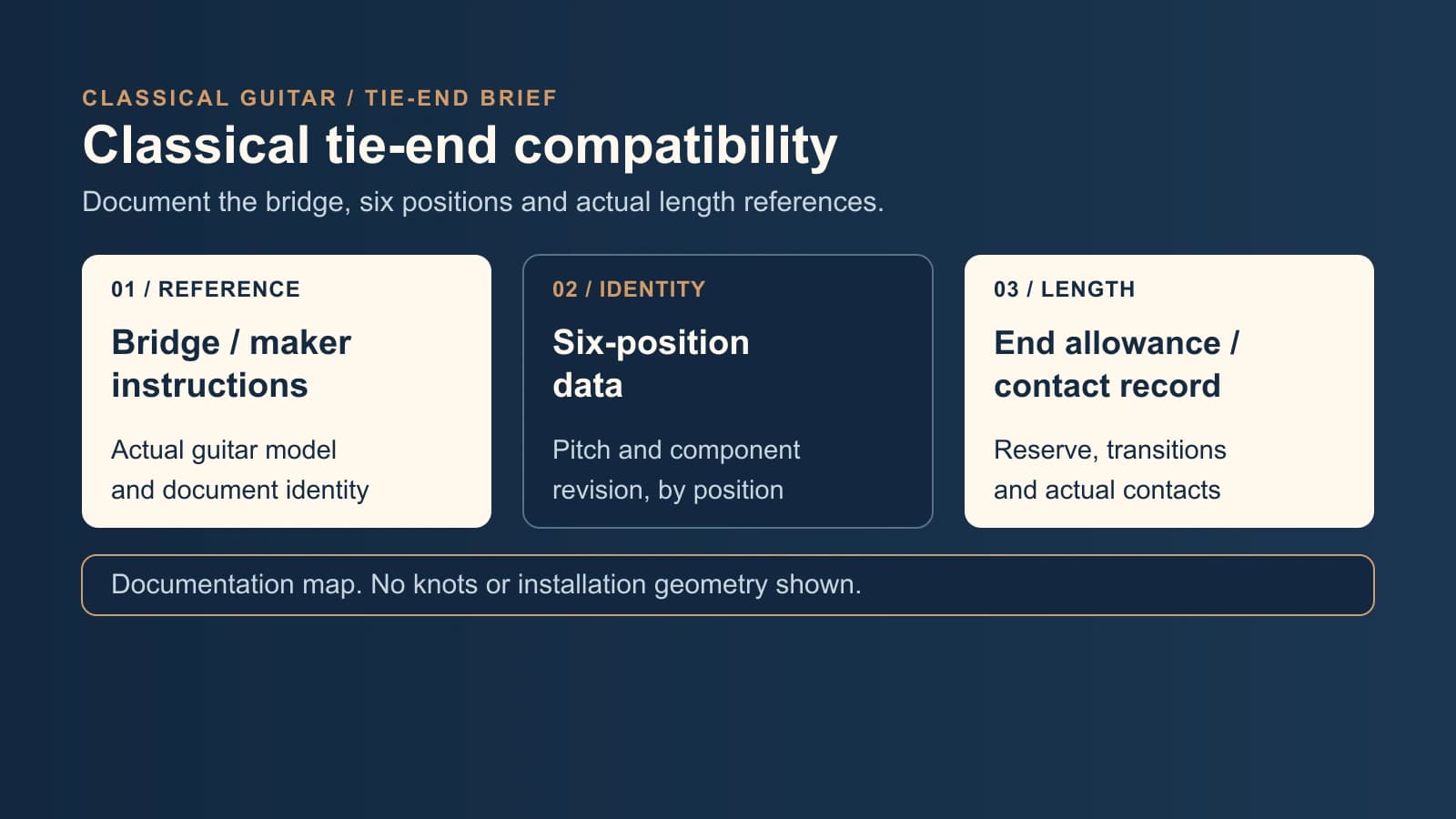
A B2B method for specifying tie-end classical strings, bridge fit, six-position samples, package identity and receiving checks.
Read the guide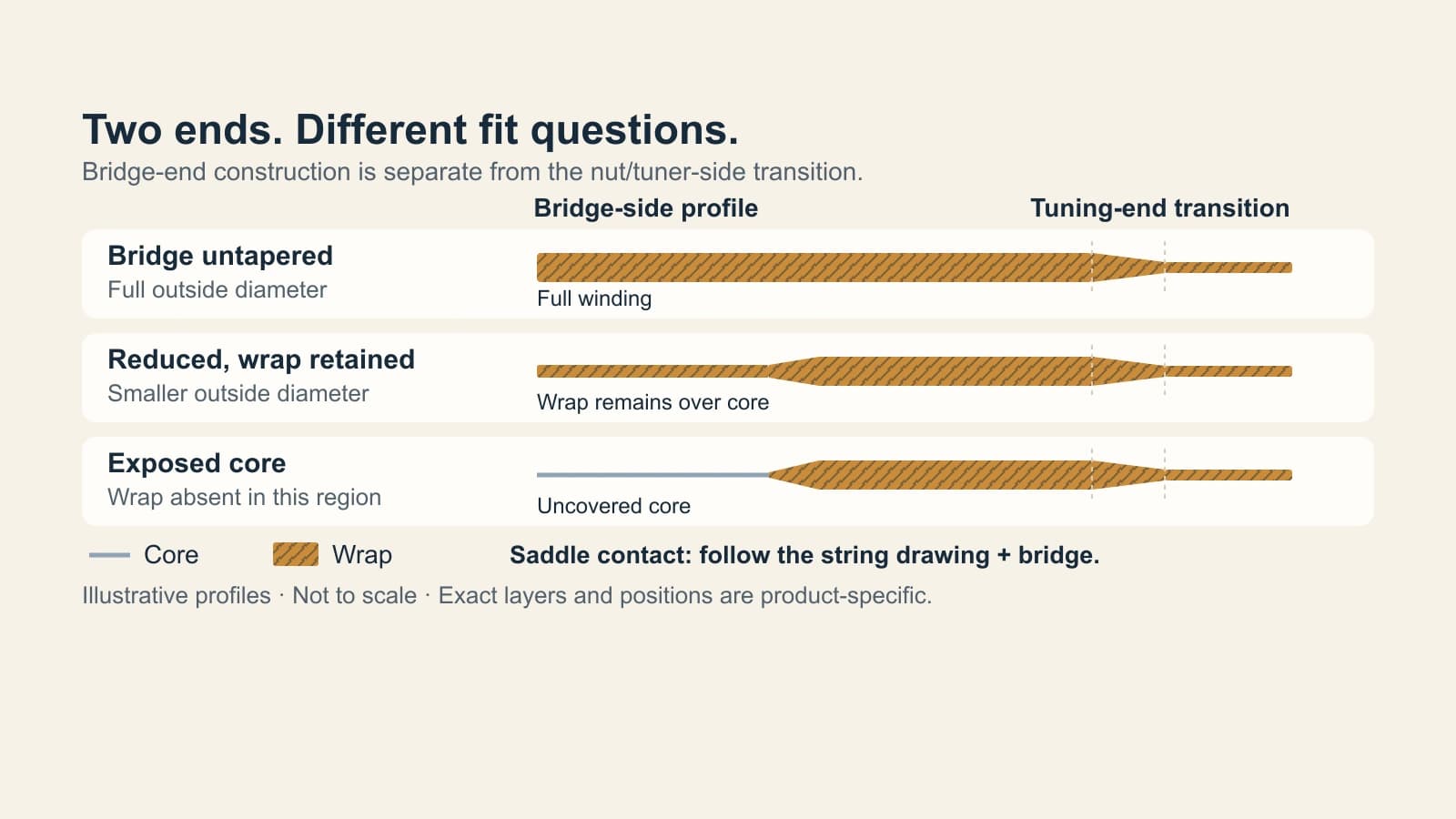
Compare taper position, bridge and nut fit, scale reference, sample matrices, labeling and inspection for a wholesale bass range.
Read the guide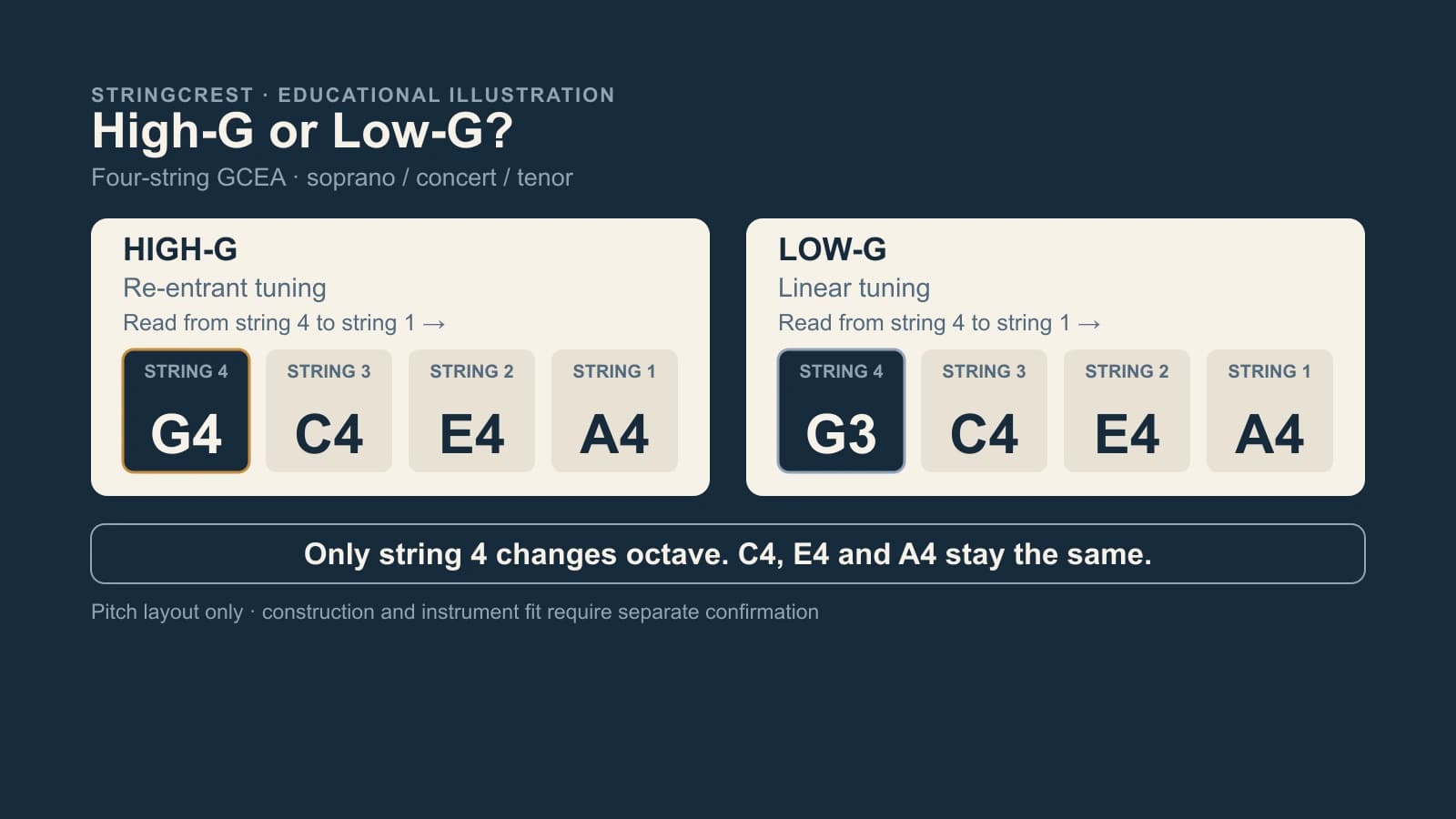
Plan high-G and low-G assortment roles through tuning layout, fourth-string construction, size fit, labeling and sample approval.
Read the guide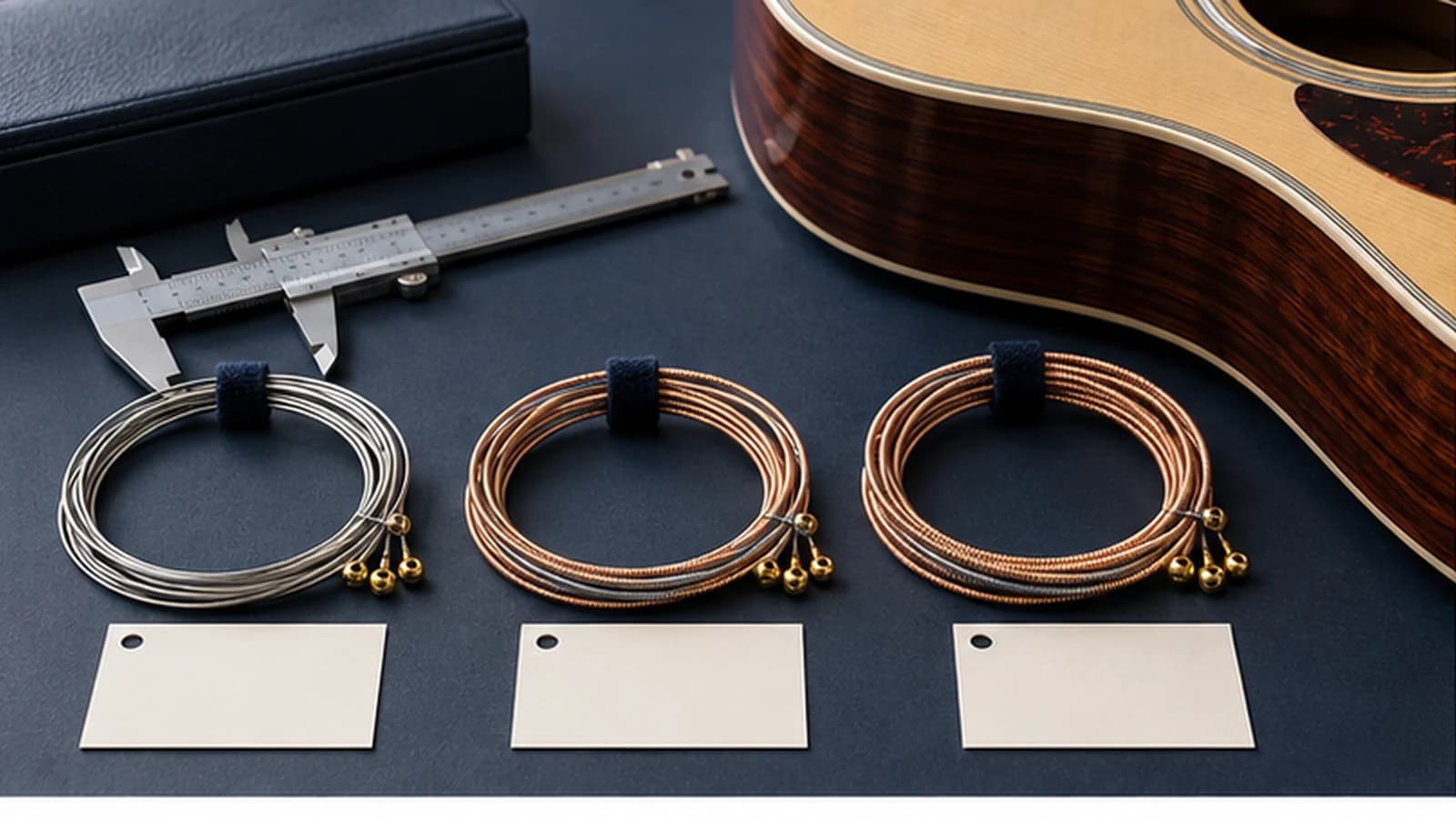
A buyer-focused process for defining, installing, evaluating and approving OEM acoustic guitar string samples before a bulk order.
Read the guide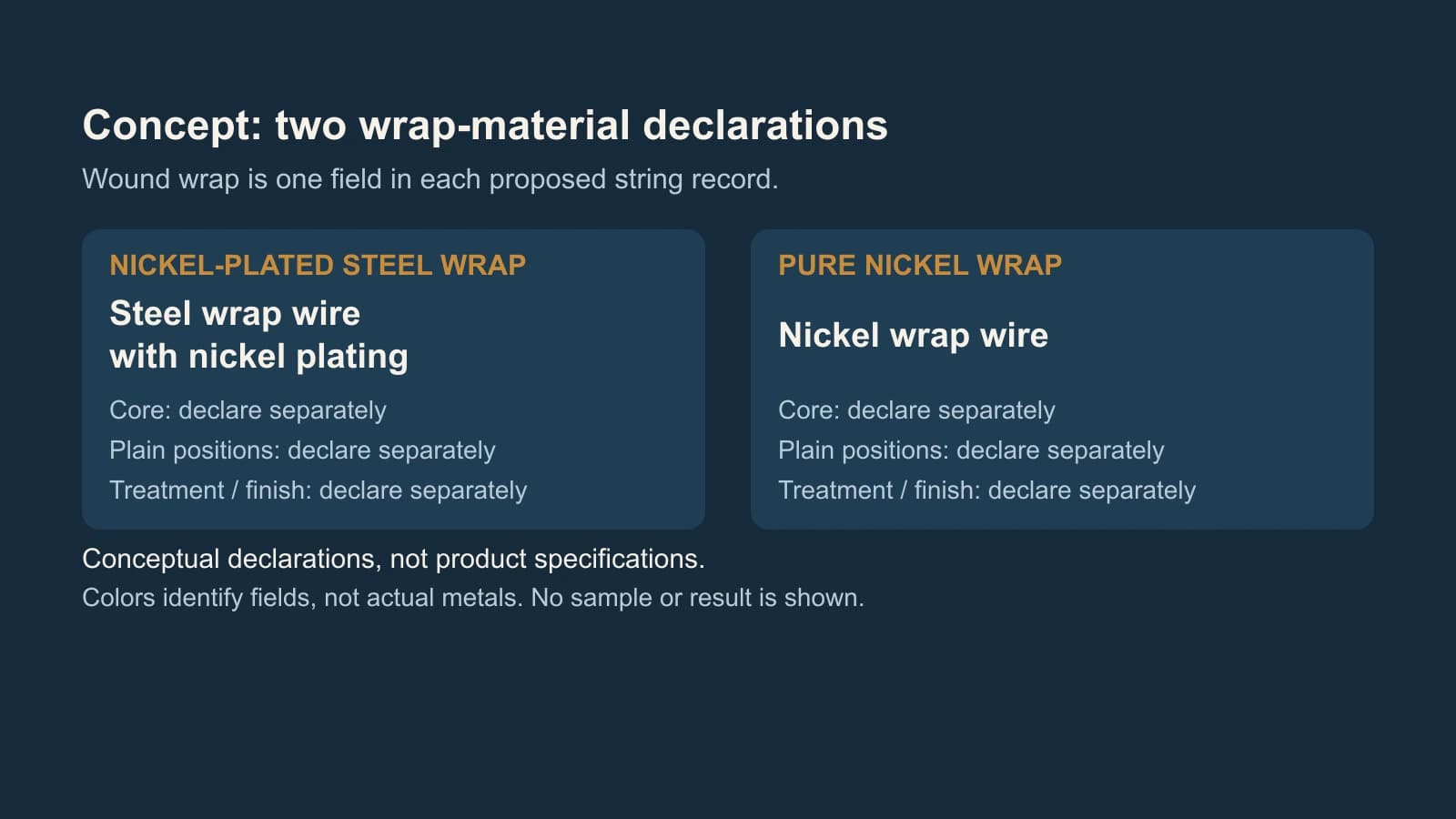
A wholesale comparison of two electric-string materials across construction, range role, samples, packaging, inspection and reorder control.
Read the guide
A practical framework for qualifying product scope, sample discipline, document control, traceability, packaging and first-order inspection.
Read the guide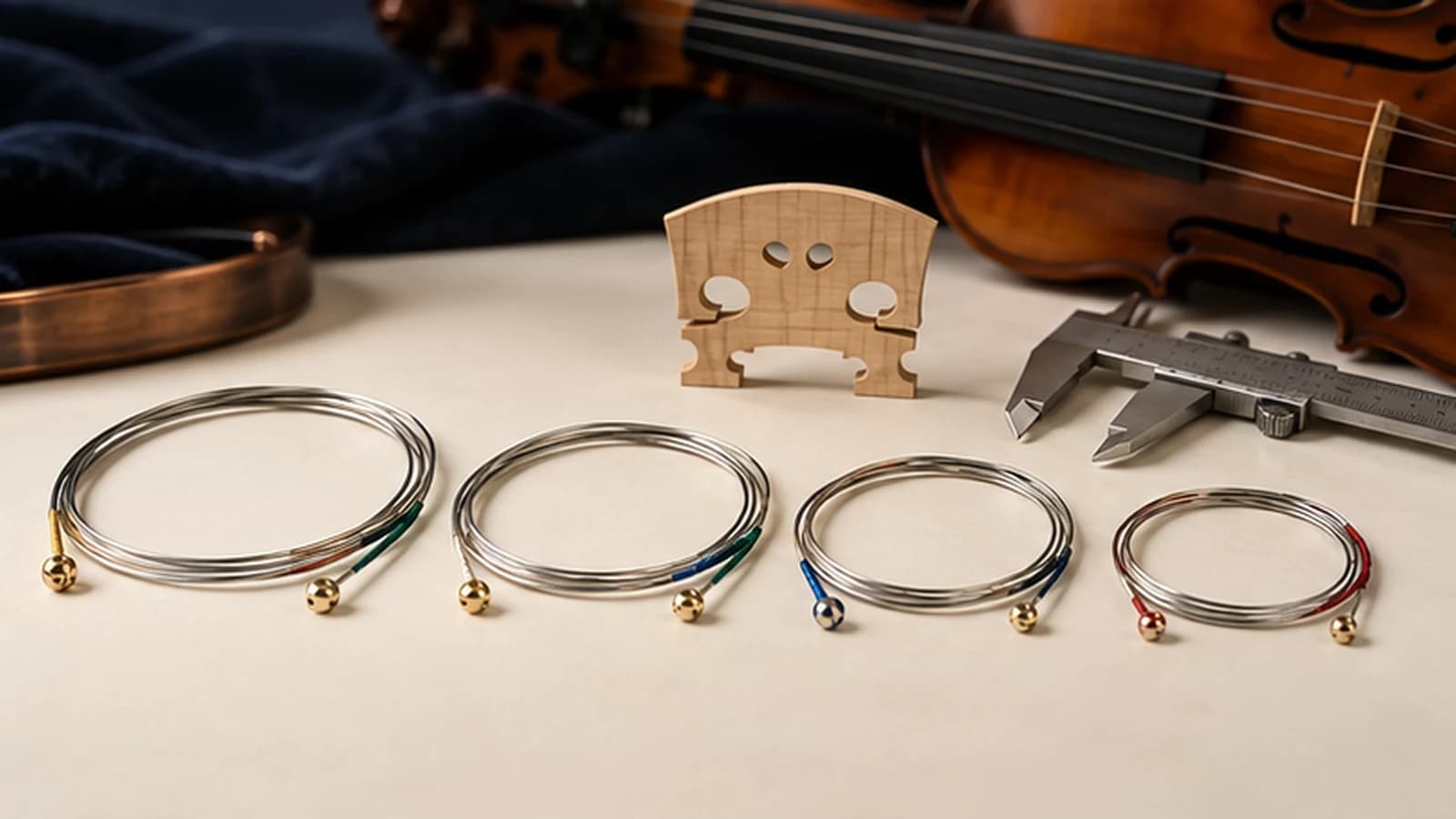
A wholesale framework for fractional violin sizes, measured fit, four-position construction, packaging identity and shipment checks.
Read the guide
A wholesale comparison of steel and synthetic core roles, four-position construction, samples, packaging, replacements and inspection.
Read the guide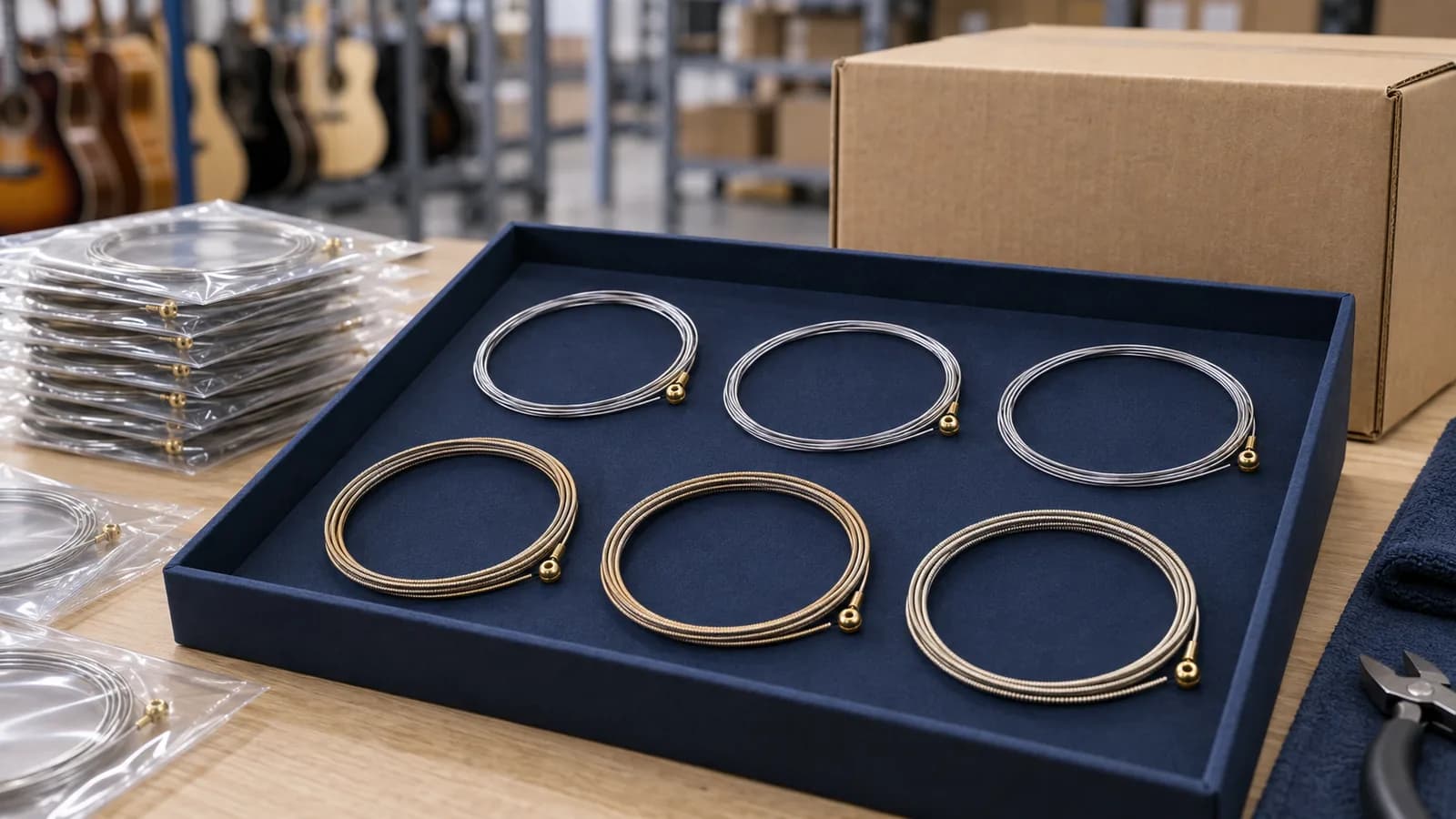
A B2B supplier-selection guide to complete sets, single gauges, quantity units, pack-out, samples, receiving and inspection.
Read the guide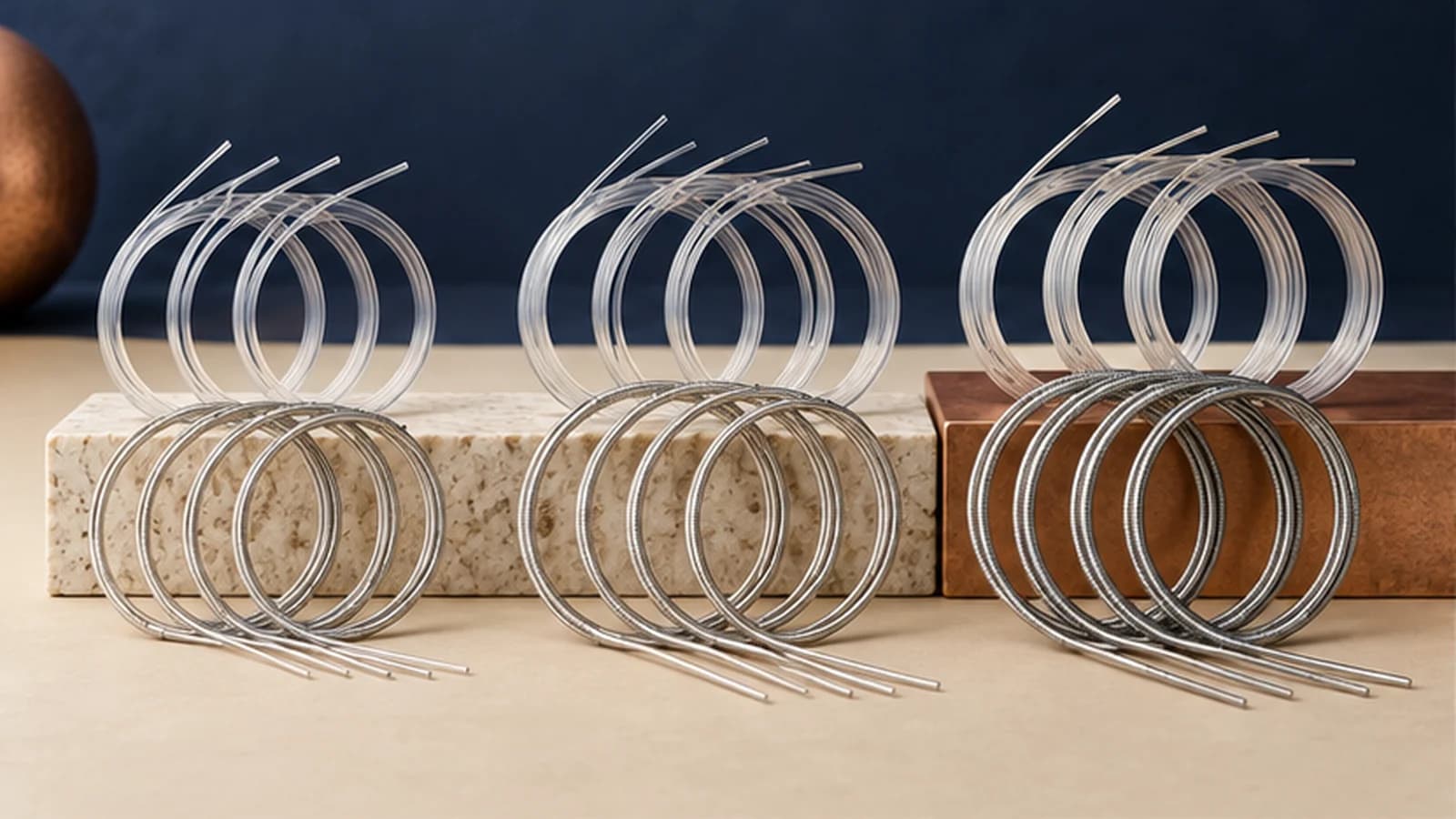
A wholesale framework for normal and hard tension labels, six-position construction, tie-end samples, packaging and inspection.
Read the guide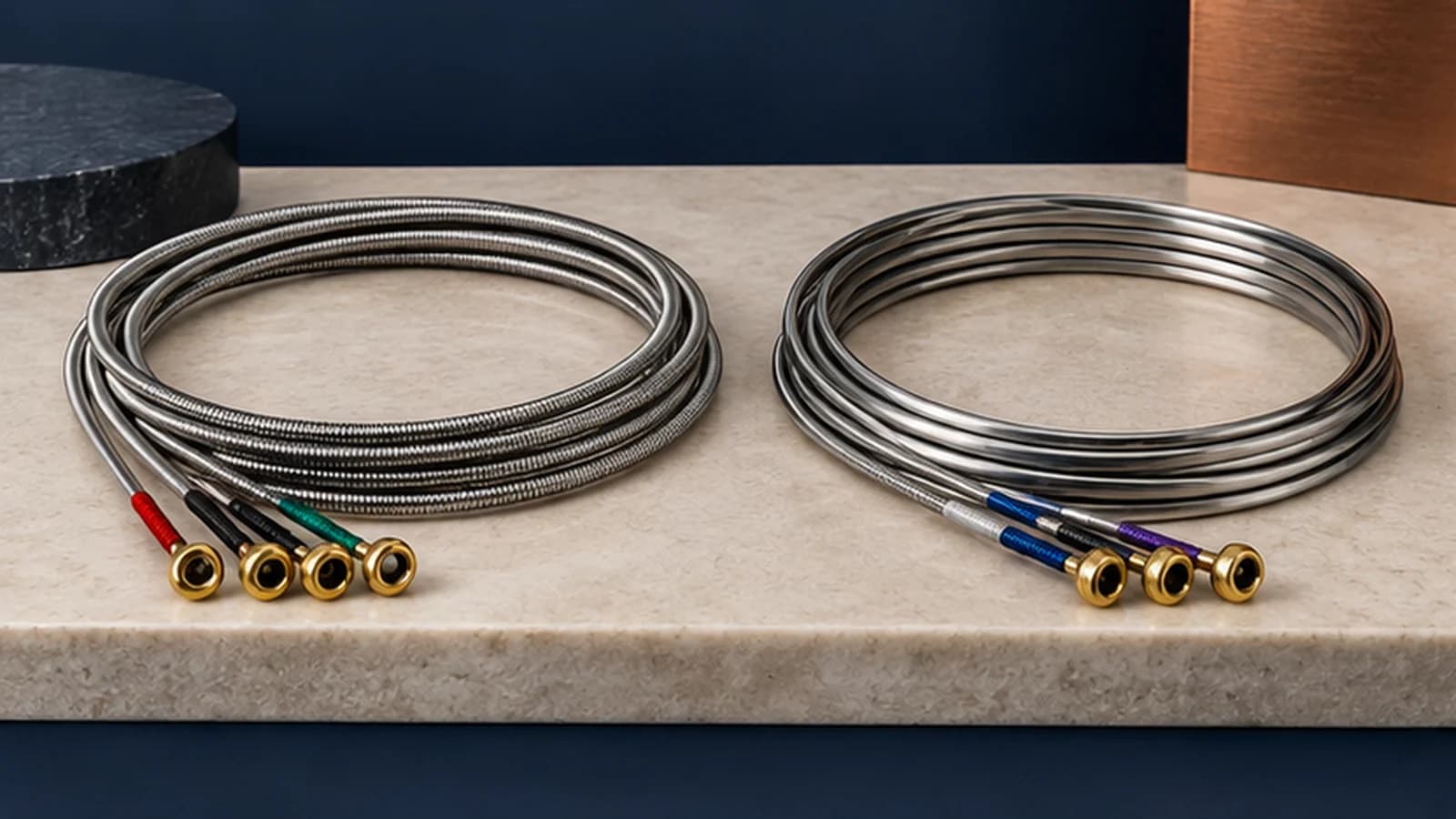
A wholesale assortment guide to winding construction, alloy, scale, gauges, physical fit, sample review, packaging and inspection.
Read the guide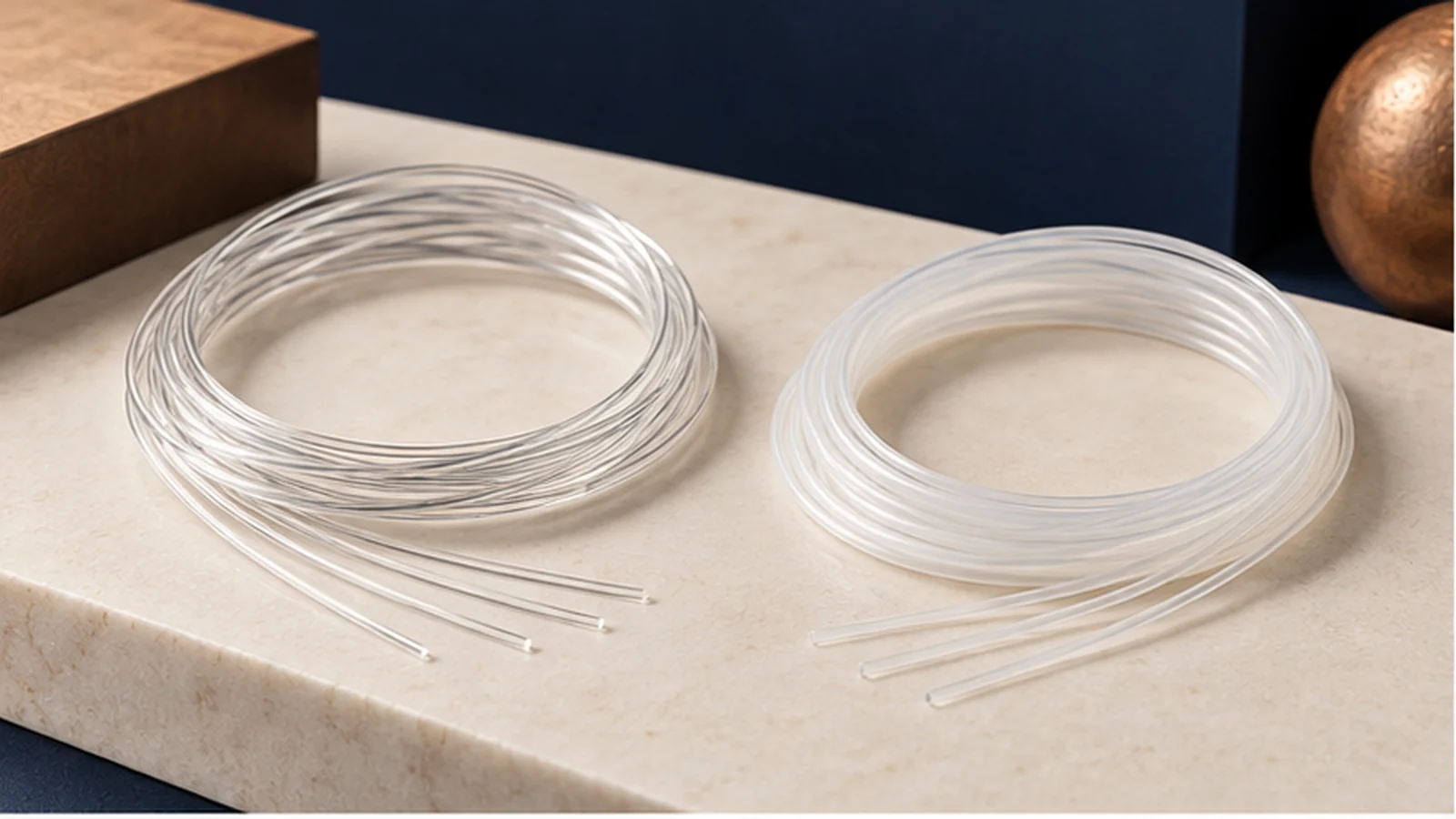
A wholesale range guide to material, diameter, size, tuning, four-position balance, straight tie ends, packaging and inspection.
Read the guide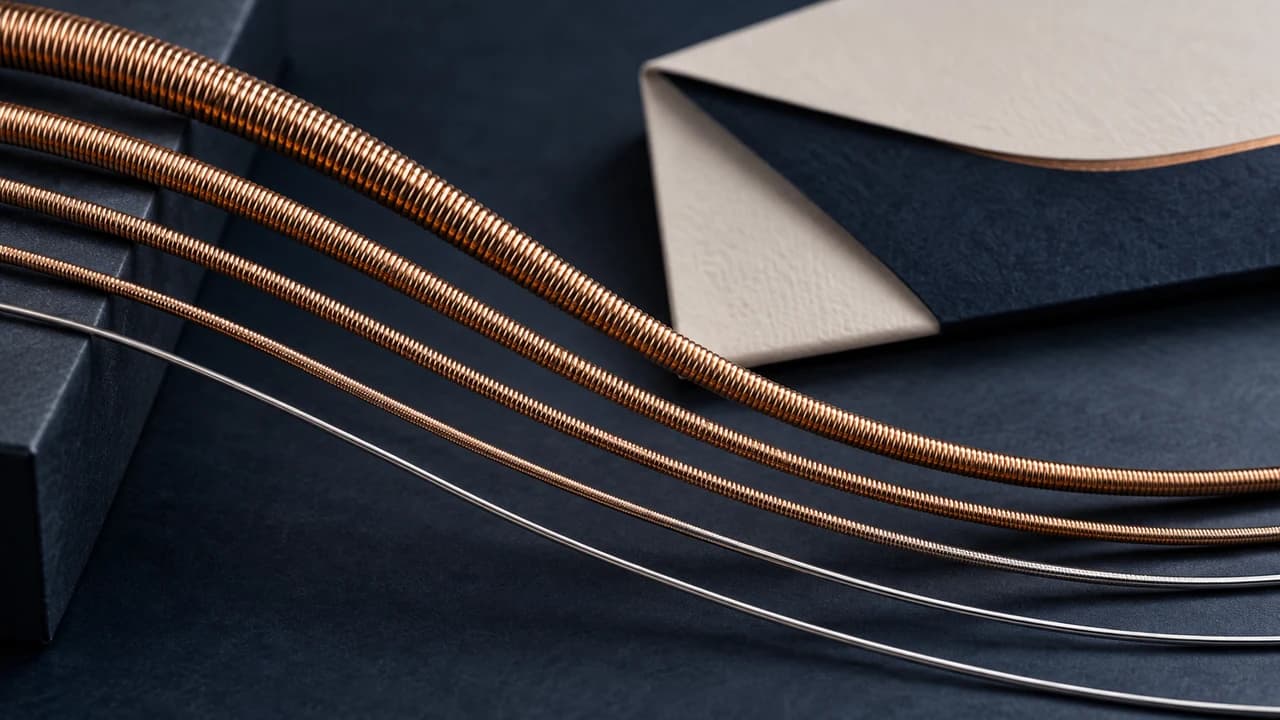
A complete-set buying framework for six courses, twelve positions, tuning, gauges, length, packaging, samples and shipment checks.
Read the guide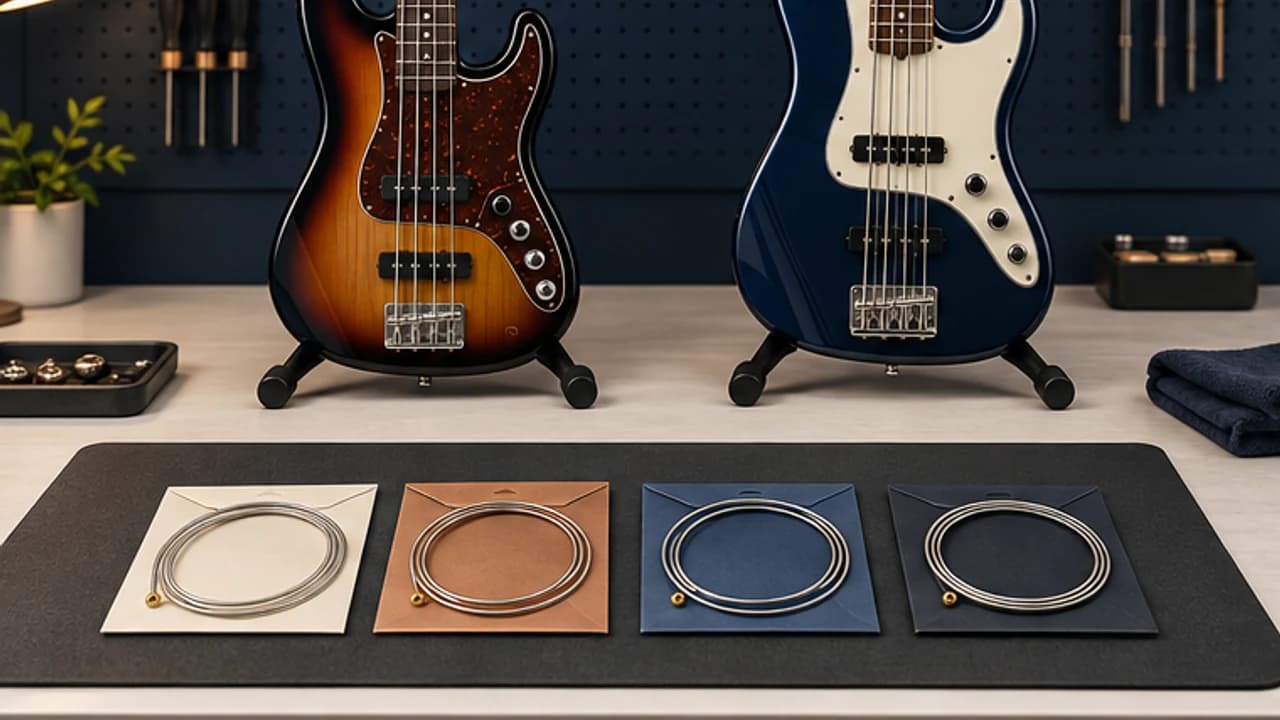
A fit-first guide to vibrating scale, bridge path, wound length, taper, total length, string count and wholesale assortment planning.
Read the guide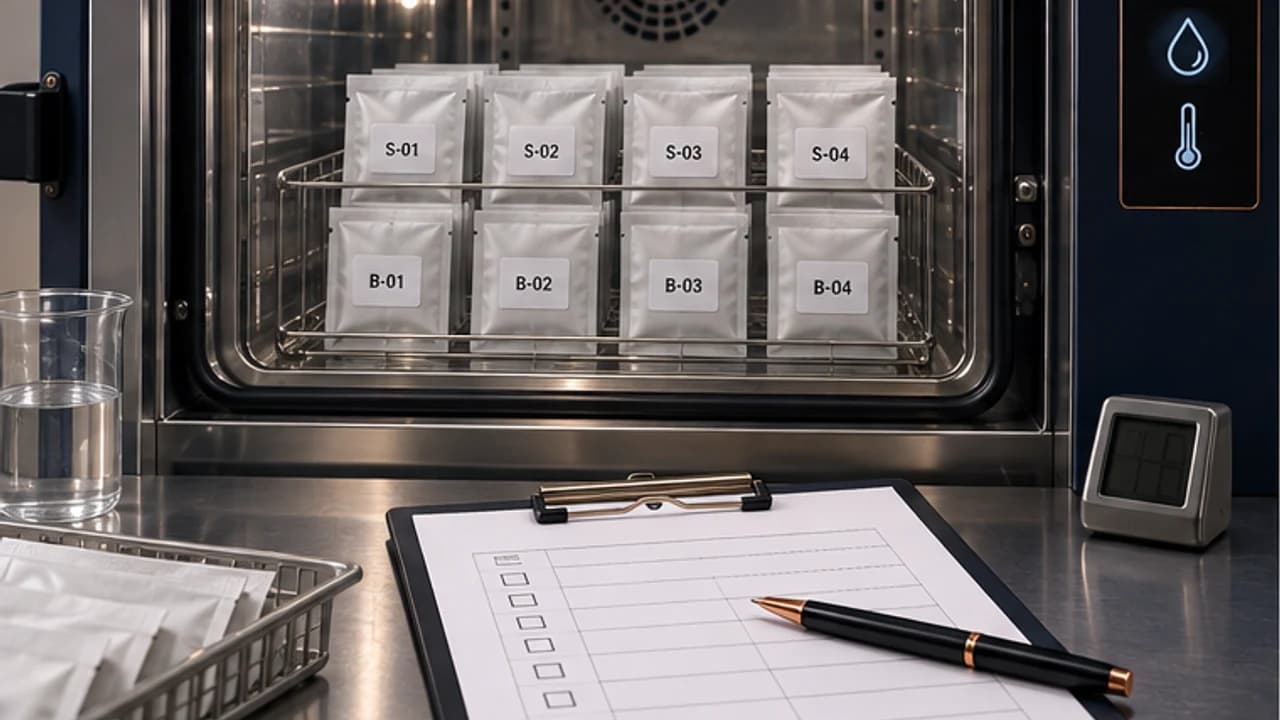
A buyer’s framework for surface preparation, barrier envelopes, seals, qualification, export cartons, claims and shipment inspection.
Read the guide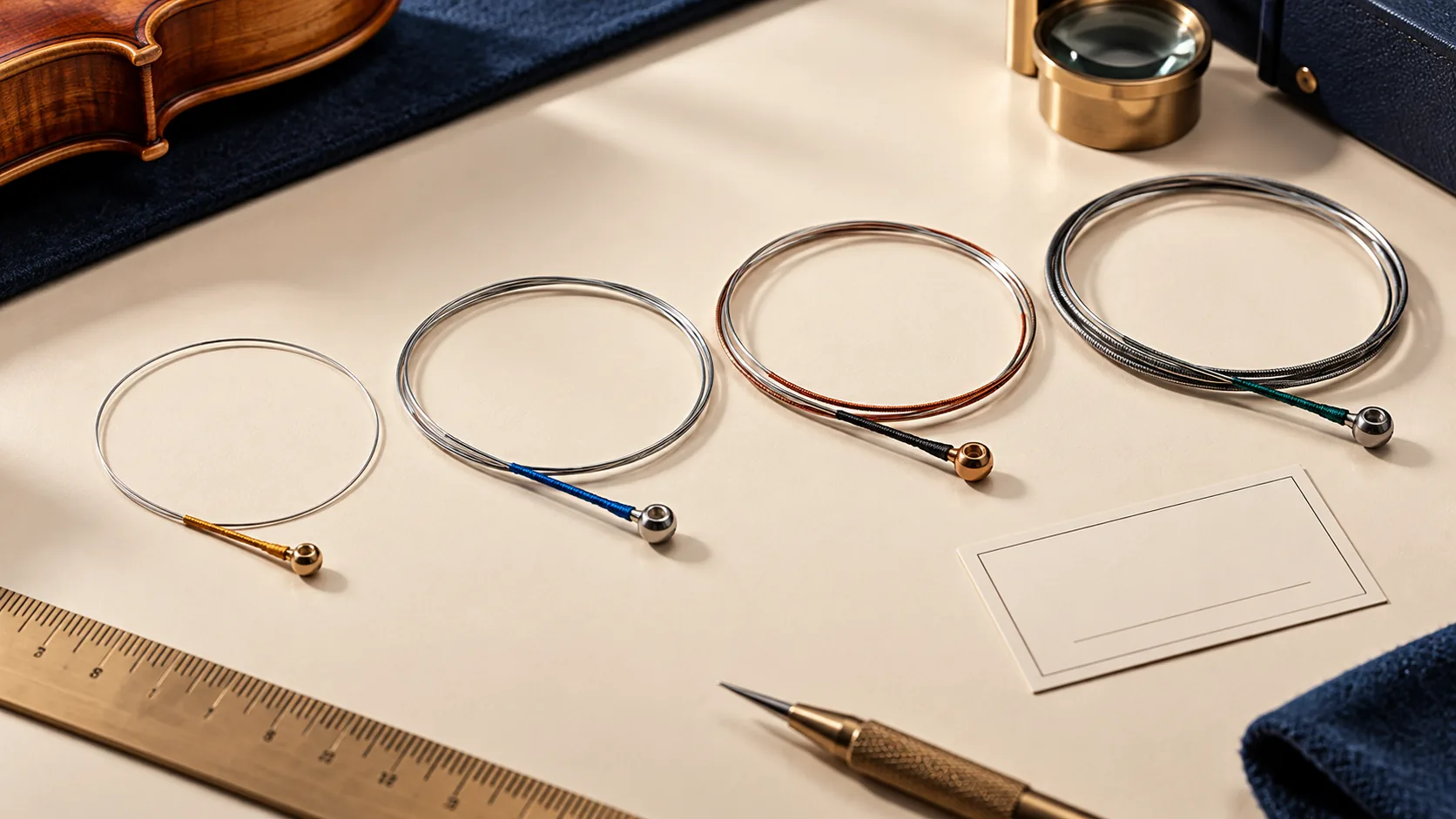
A procurement framework for violin sizes, core families, winding, E-string ends, controlled samples, packaging and shipment checks.
Read the guide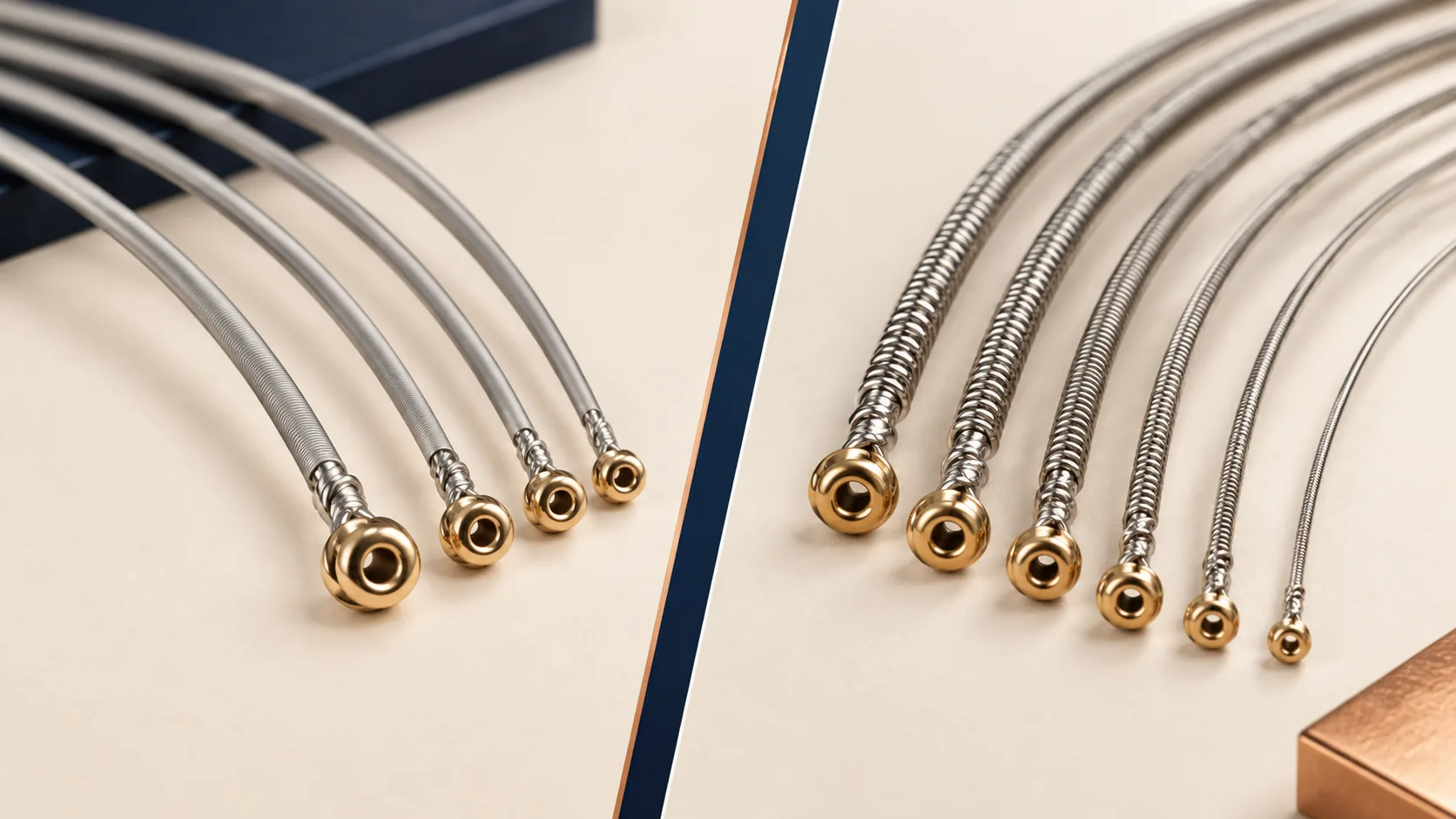
A buyer’s framework for comparing coating architecture, feel, durability questions, claim evidence, range economics and inspection.
Read the guide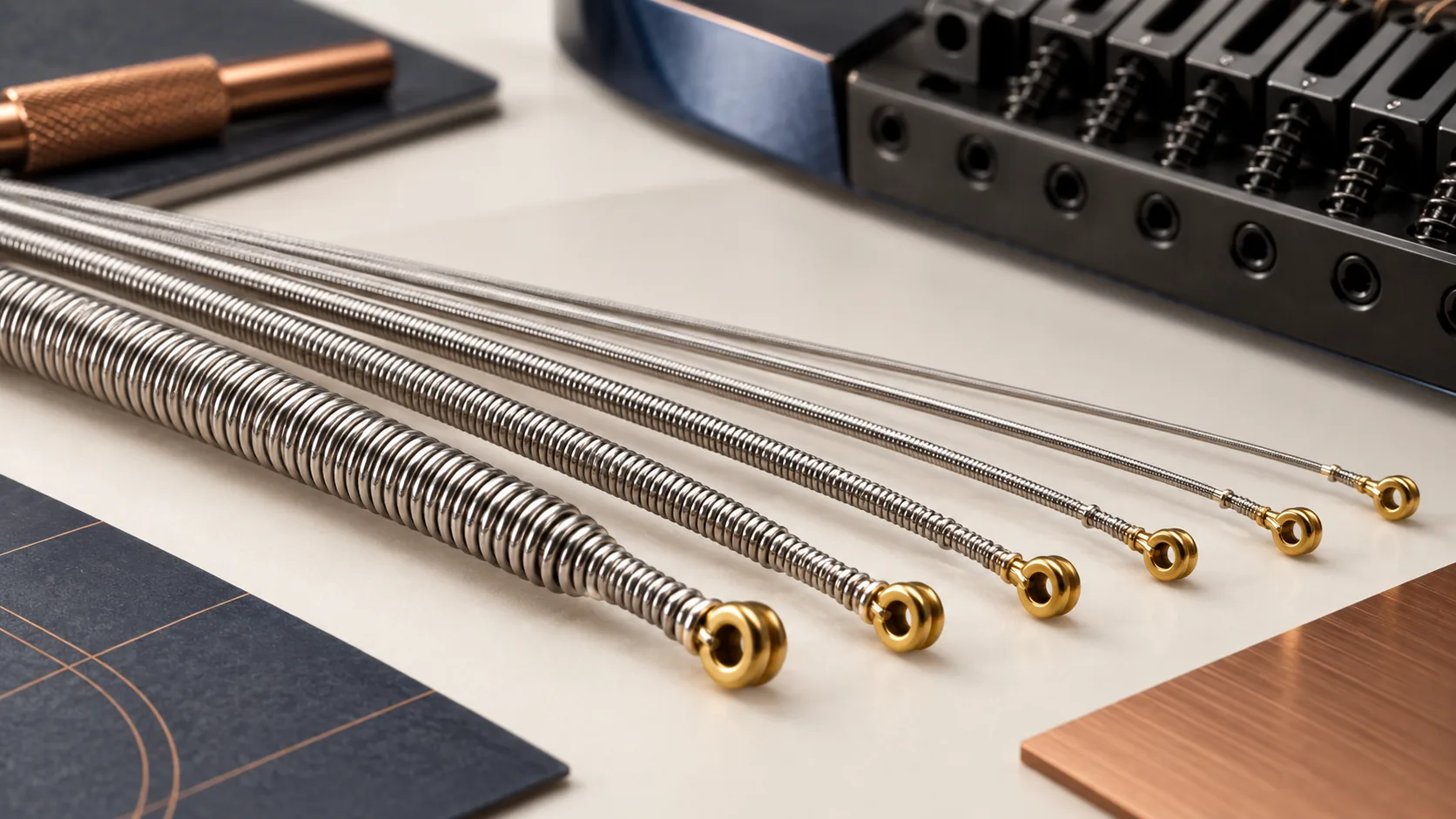
A technical buying guide for tuning, single or multiscale length, complete gauges, lowest-string fit, packaging and shipment control.
Read the guide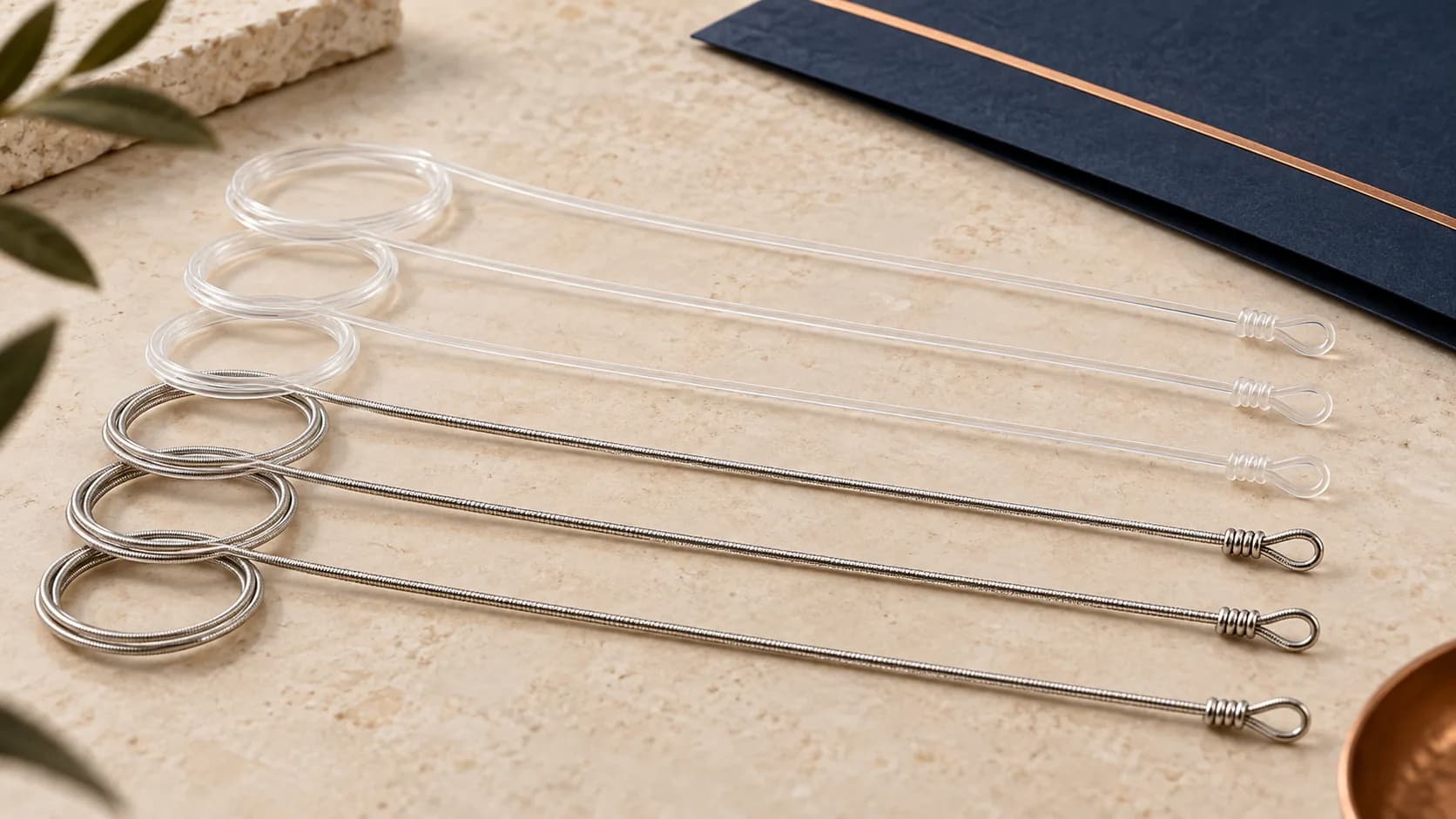
A procurement framework for comparing classical string construction, tension direction, samples, packaging and supplier controls.
Read the guide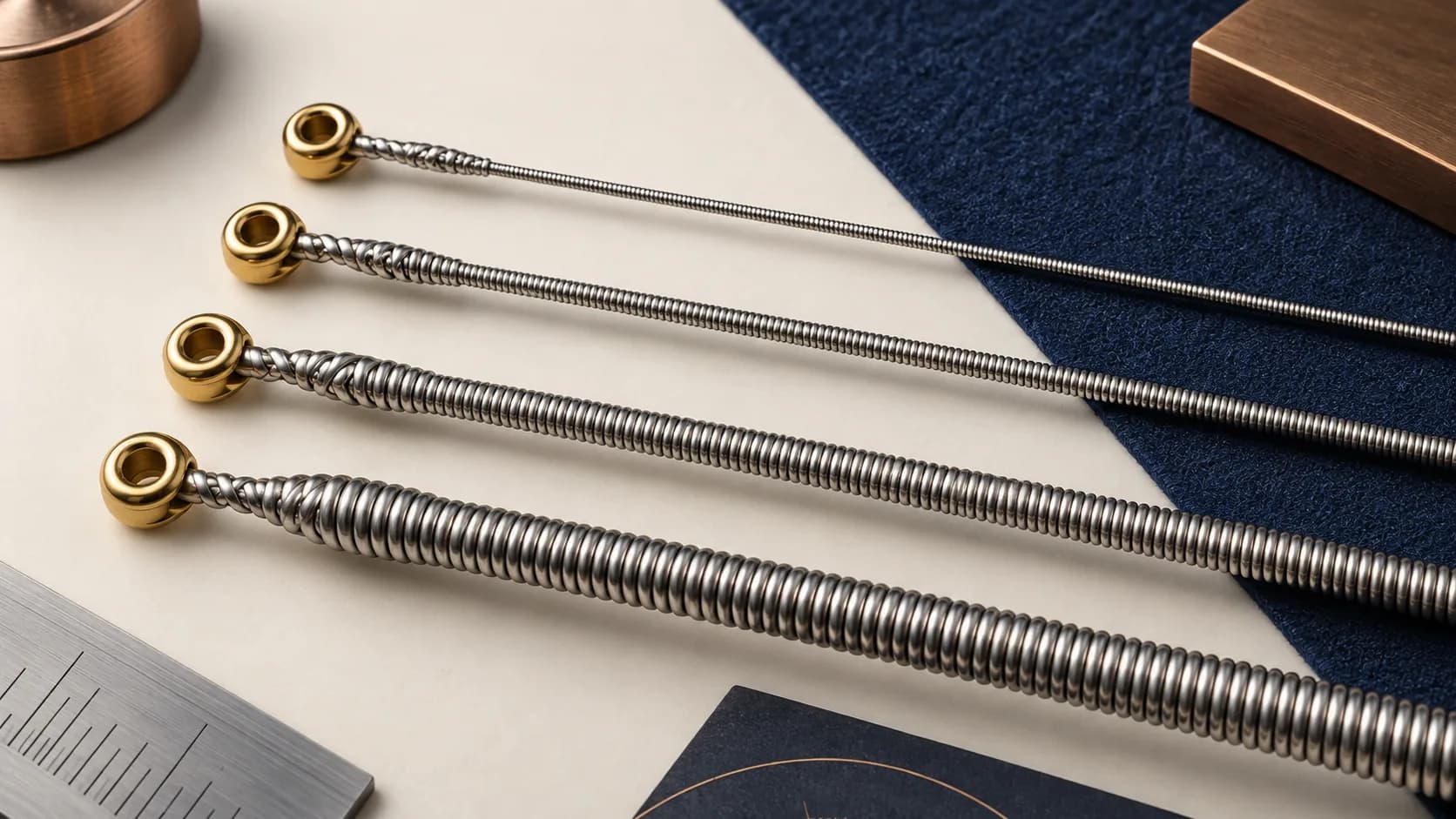
A buyer’s framework for preventing bass string fit errors and comparing wholesale set specifications on the same basis.
Read the guide
A practical range-planning guide for separating ukulele sizes, tunings, materials and packaging without creating confusing SKUs.
Read the guide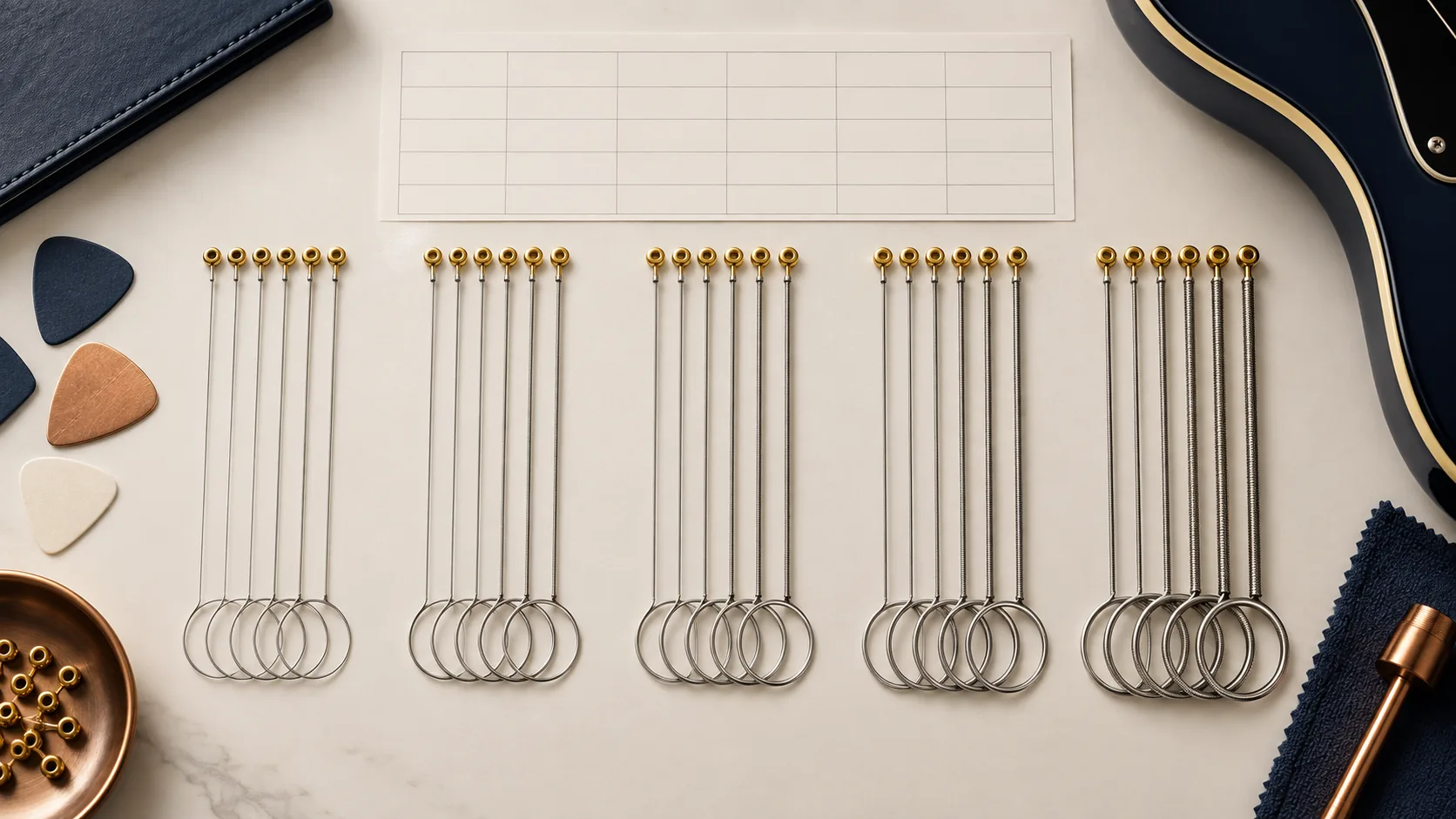
A buyer-focused framework for turning dealer applications, gauge sequences and sample feedback into a manageable electric-string range.
Read the guide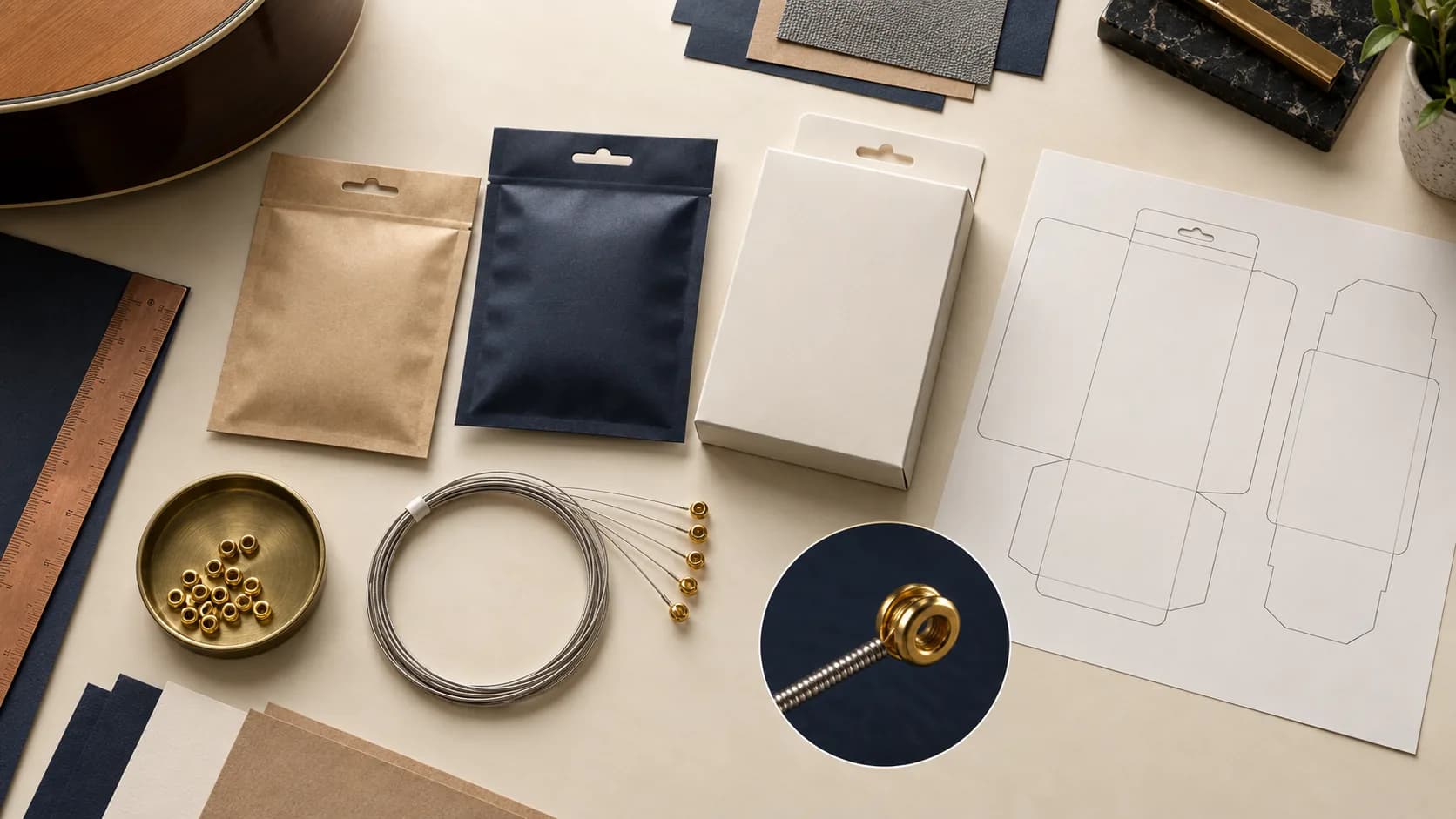
A practical handover framework linking product specifications, retail presentation, protective requirements and artwork approval.
Read the guide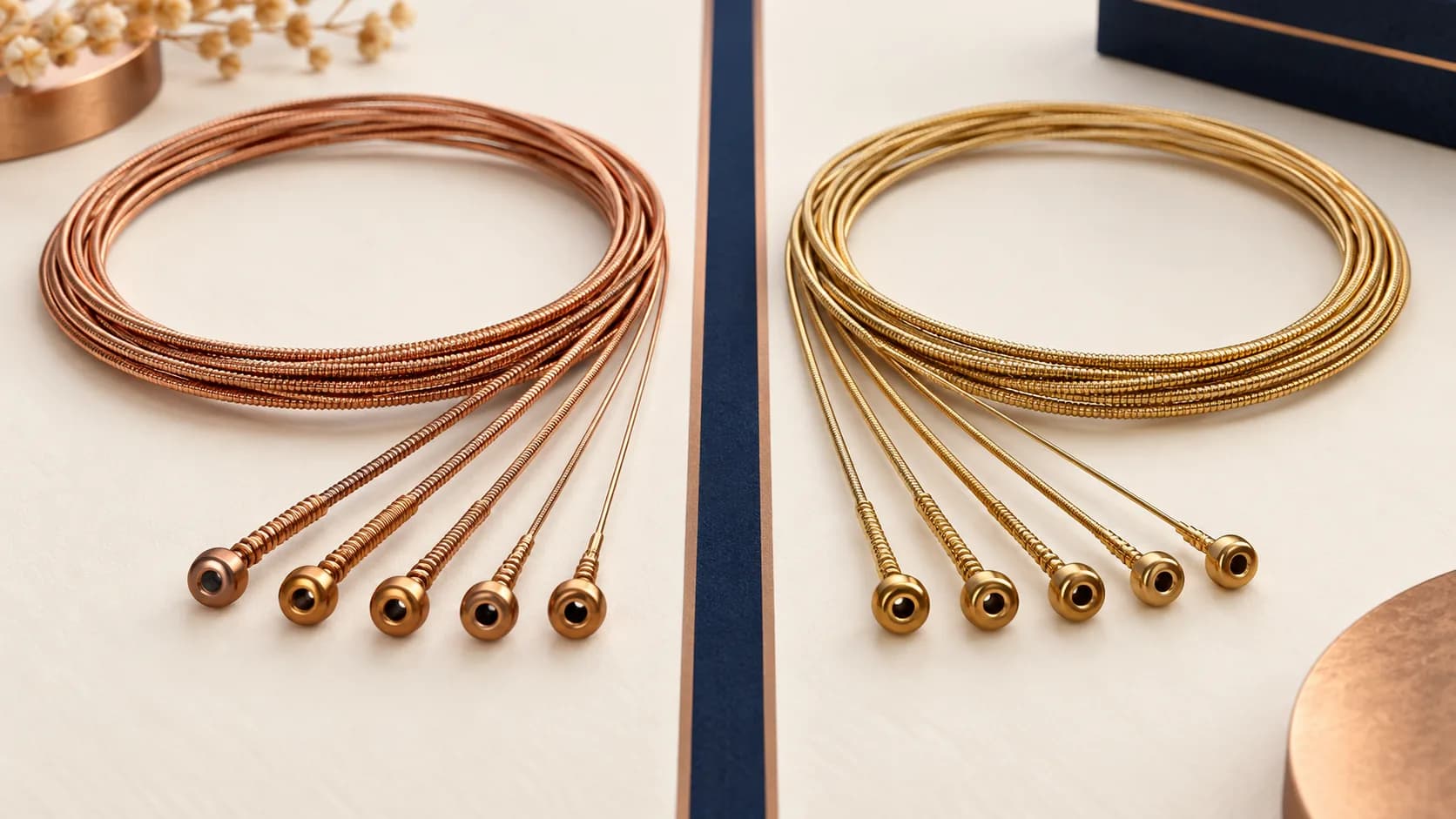
A purchasing framework for comparing two acoustic wrap-alloy directions without turning general tone descriptions into unsupported claims.
Read the guide
A practical supplier-evaluation framework for brands, importers and distributors preparing an OEM or private-label guitar string project.
Read the guide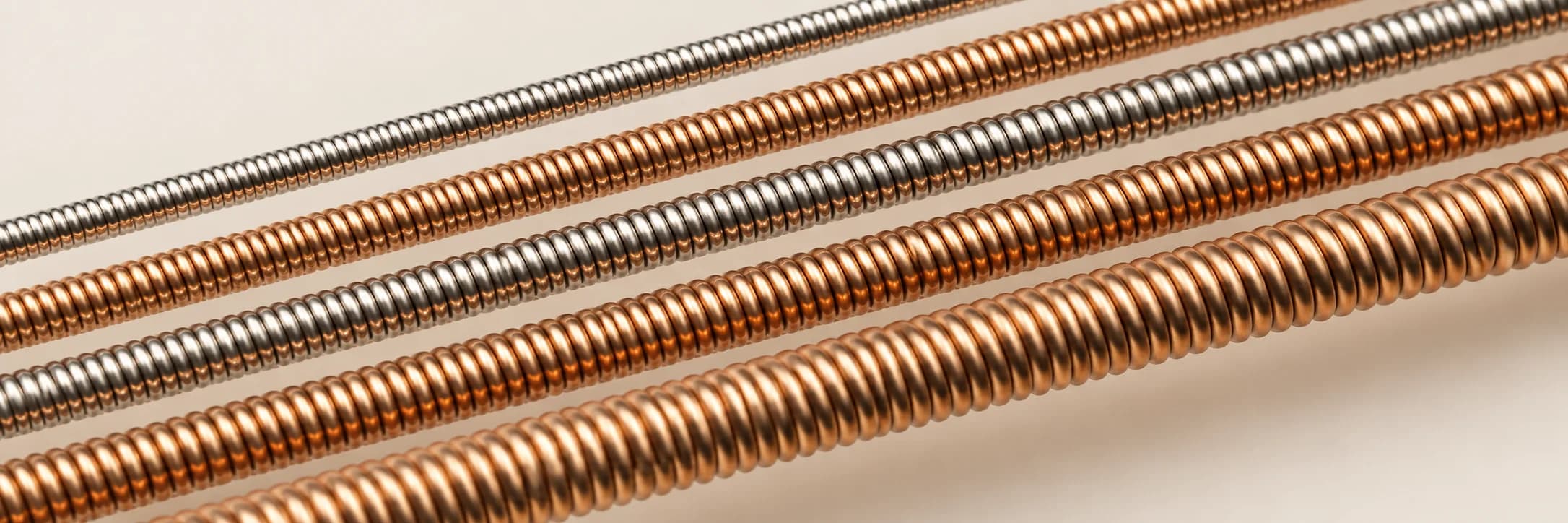
A repeatable sample, approval and shipment-inspection workflow for wholesale and private-label guitar string buyers.
Read the guide
Compare three common electric guitar string material directions and turn the decision into a controlled B2B sampling brief.
Read the guidePLANNING A PRIVATE-LABEL RANGE?