
Product Selection
Product Selection
Nickel-Plated Steel vs Pure Nickel Electric Guitar Strings: A Wholesale Range Guide
A wholesale comparison of two electric-string materials across construction, range role, samples, packaging, inspection and reorder control.
Introduction
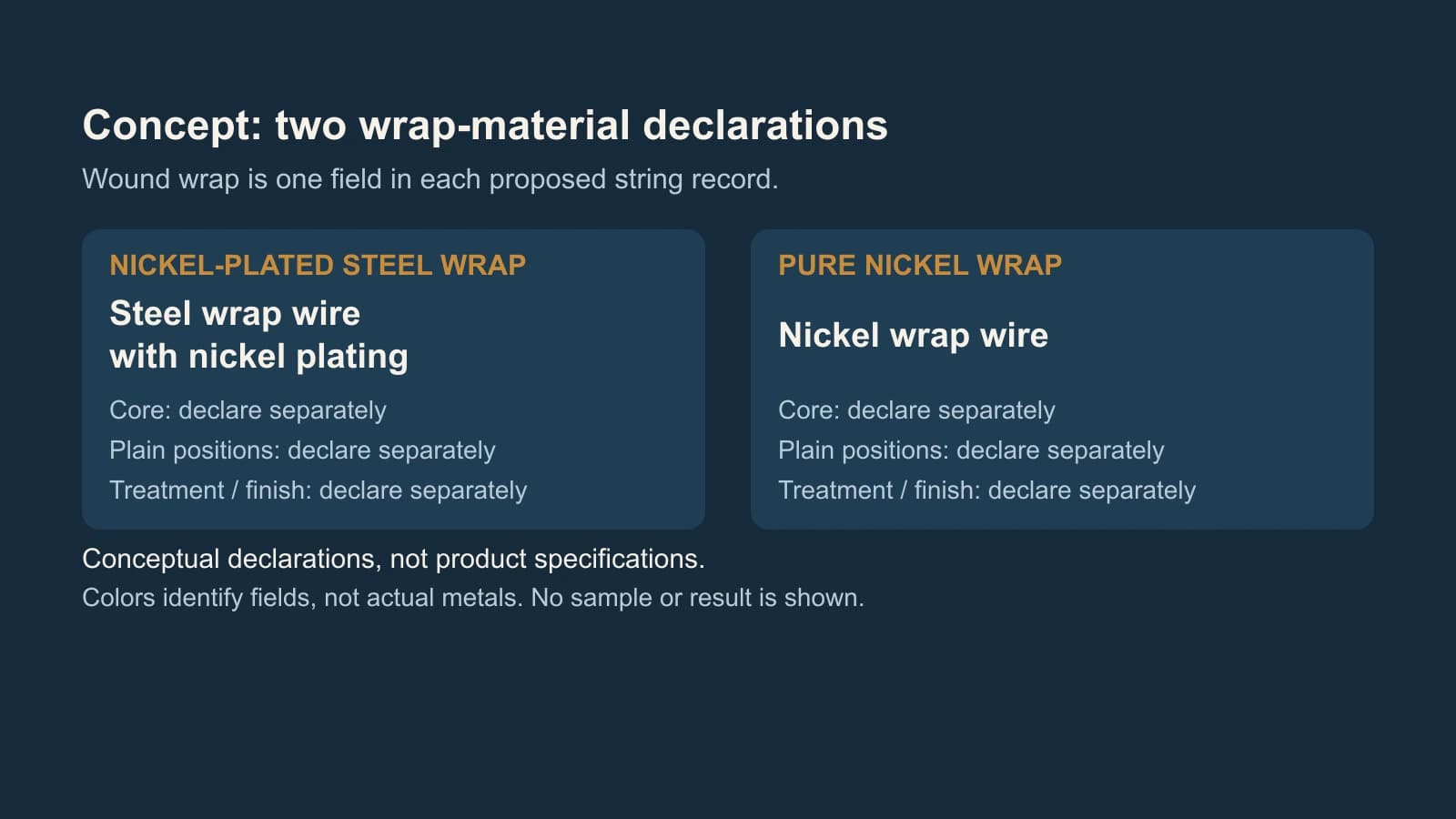
Nickel-plated steel (NPS) uses a steel wrap wire with nickel plating; pure nickel uses nickel wrap wire. These labels describe the wound strings' wrap, not every core or plain string in the set. Core, plain-wire material, surface treatment and finished gauge need their own declarations. The material difference can influence response and range positioning, but it does not guarantee one fixed tone or output on every guitar.
For a wholesale or private-label range, the decision is commercial as well as technical. Define the target player, price position, gauge families and channel explanation for each proposed SKU. Then compare coded samples with documented construction and controlled setup. If gauges, core, treatment or other relevant fields differ or remain unknown, the observations describe the complete products; they cannot isolate the wrap alloy as the cause of every difference.
Define the two constructions accurately
A wound electric guitar string can be described as a system: core wire, core shape, wrap wire, winding geometry, finished diameter, length and end construction. A plain string has no wrap wire; declare its wire material and any plating or treatment separately. It does not become “pure nickel” because the set uses that wrap on its wound positions.
Nickel-plated steel wrap
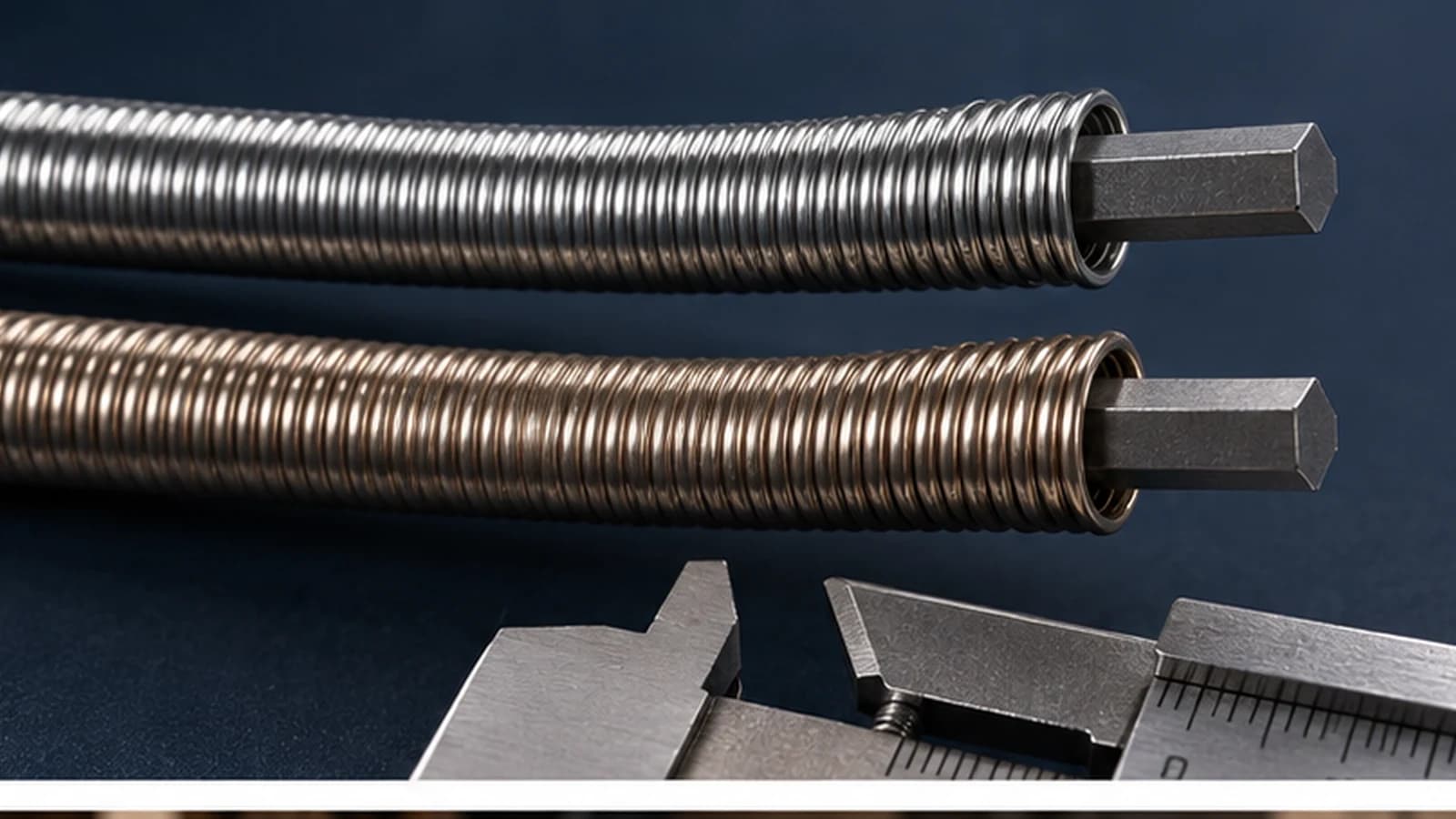
Nickel-plated steel wrap wire combines a steel base with a nickel surface. For a specific manufacturer example, Ernie Ball's .026 Nickel Wound single (P01126) uses nickel-plated steel wrap around a tin-plated hex-shaped steel core. Exact wire properties, core-to-wrap ratio and winding process still need confirmation for the proposed product; the wrap label alone does not establish equivalent constructions.
Pure nickel wrap
Pure nickel identifies nickel wrap wire; confirm the core independently. Ernie Ball's Classic Pure Nickel Wound singles use pure nickel wrap around a tin-plated hex-shaped steel core. The maker describes a warmer, vintage-oriented direction for those strings. Treat that as attributed product positioning, not a guaranteed result for every pure-nickel construction or guitar.
Ernie Ball separately declares tin-plated high-carbon steel for its .010 Plain Steel single (P01010). These named examples explain the separate wrap, core and plain-wire fields. They are not approved StringCrest builds, a matched comparison, or evidence that the two proposed sets share identical plain components or core dimensions.
Separate alloy choice from the gauge matrix
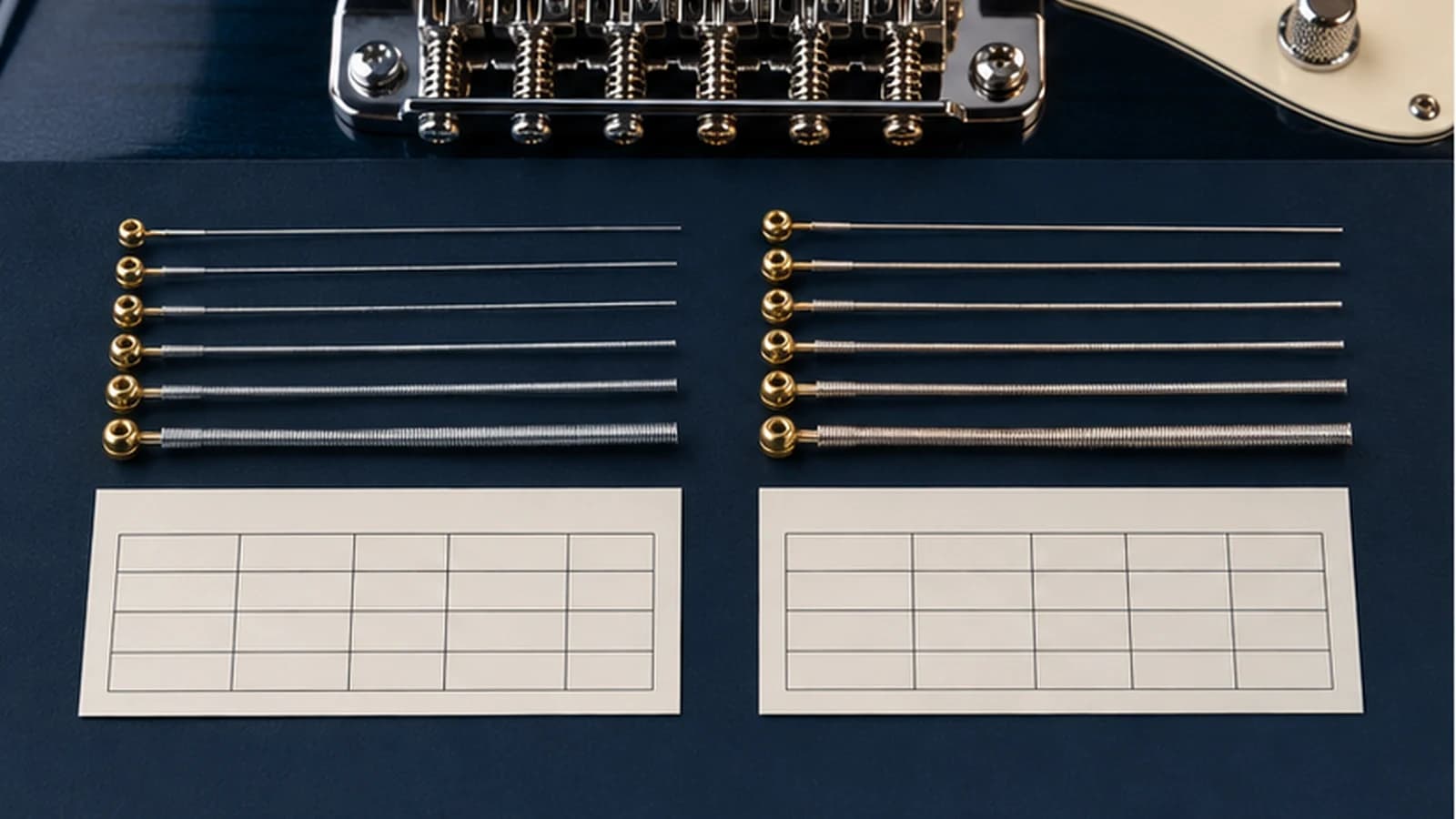
Build one six-position matrix for each proposed SKU. Record nominal gauge, plain or wound position, core material and shape, wrap material, ball end, usable length, tuning and scale used for evaluation. If the buyer wants a fair alloy comparison, keep gauges and the rest of the construction as close as the supplier can document.
D’Addario's current tension explanation identifies unit weight, vibrating length and frequency as the inputs for calculating tension. Equal printed gauges do not disclose equal unit weight or core construction. Request the proposed supplier's applicable data and conditions instead of filling a gap with another maker's tension figure.
Use the following blank component record for the two candidates. A and B are project identifiers, not supplied SKUs. Position 1 is the highest-pitched string in the intended six-string configuration. Enter the actual octave pitch, finished gauge and unit; do not derive the four middle gauges from a pack's endpoint range.
Candidate A / proposed SKU and revision: ______ Candidate B / proposed SKU and revision: ______ Intended tuning and reference guitar: ______
| Position / candidate | Actual pitch / gauge + unit | Plain or wound | Plain wire or core declaration | Wrap, if applicable | Treatment / finish state | Component reference / evidence state |
|---|---|---|---|---|---|---|
| 1 / A | ______ | ______ | ______ | ______ | ______ | ______ |
| 1 / B | ______ | ______ | ______ | ______ | ______ | ______ |
| 2 / A | ______ | ______ | ______ | ______ | ______ | ______ |
| 2 / B | ______ | ______ | ______ | ______ | ______ | ______ |
| 3 / A | ______ | ______ | ______ | ______ | ______ | ______ |
| 3 / B | ______ | ______ | ______ | ______ | ______ | ______ |
| 4 / A | ______ | ______ | ______ | ______ | ______ | ______ |
| 4 / B | ______ | ______ | ______ | ______ | ______ | ______ |
| 5 / A | ______ | ______ | ______ | ______ | ______ | ______ |
| 5 / B | ______ | ______ | ______ | ______ | ______ | ______ |
| 6 / A | ______ | ______ | ______ | ______ | ______ | ______ |
| 6 / B | ______ | ______ | ______ | ______ | ______ | ______ |
All empty fields are unknown, not zero, no treatment or an approved match. For a confirmed plain string, the wrap field is not applicable; record its wire and treatment rather than calling them a wrap. Use “none” only when absence has been confirmed. Link each declaration to a specification or supplier record.
For each comparison field, distinguish matched, different and unknown, with the supporting reference. Matching outside gauges or shared hex-core labels do not establish matched core dimensions, winding geometry or treatment. Keep unexplained differences visible when interpreting the samples.
Watch the wound-to-plain transition
Players may notice not only the wound strings but also the balance between wound and plain positions. A material change can alter the perceived relationship even when the printed gauges stay the same. Sample the complete set, not only one wound single, before deciding how the line should be positioned.
For hybrid gauge sets or a wound third, create a separate SKU matrix. Do not hide those changes under one alloy description.
Give each alloy a clear range role
Wholesale ranges become confusing when two SKUs differ technically but the sales team cannot explain why both exist. Write a one-sentence role for each proposed family before sampling.
Use a second short record to make the proposed SKU differences explicit. No quantities, roles or approvals have been entered here.
| Range-identity field | Candidate A | Candidate B | Matched / different / unknown; basis |
|---|---|---|---|
| Proposed SKU / specification revision | ______ | ______ | ______ |
| Complete position-record reference | ______ | ______ | ______ |
| Intended player / channel question | ______ | ______ | ______ |
| Declared wrap direction and other construction differences | ______ | ______ | ______ |
| Set or replacement-single format / pack reference | ______ | ______ | ______ |
| Unresolved difference and responsible reviewer | ______ | ______ | ______ |
Nickel-plated steel may serve as the broad, contemporary, all-purpose line. Pure nickel may serve players seeking a different response, output relationship or vintage-inspired positioning. Those are planning roles, not promises. The final claim language must match the approved samples and supporting evidence.
Ask what the channel can actually support:
- Do dealers understand wrap material terminology?
- Will staff explain the difference without overselling it?
- Is there enough room for two gauge ladders?
- Will replacement singles be offered?
- Can inventory be kept separate by alloy and revision?
- Does the packaging make the difference visible at a glance?
A smaller channel may benefit from one well-defined family first. A specialist dealer network may justify both when the range architecture is easy to navigate.
Discuss the two proposed range roles and the wrap, core or plain-position fields that still need confirmation. Include the candidate matrix and intended guitar conditions in the requirements message.
Design a controlled sample comparison
Use coded samples and keep the comparison conditions stable. Record guitar identifier, scale, setup, pickup selection, amplifier chain, tuning, installation method, evaluator and musical tasks. If gauges or other relevant construction fields differ or remain unknown, mark it as a comparison of the offered products rather than an isolated alloy test.
Evaluate physical fit first
Confirm that every position is present, correctly ordered and long enough. Inspect ball-end seating, winding transitions, surface appearance and the path through bridge, nut and tuner. A rough saddle or nut slot can create failure or feel issues unrelated to the wrap material.
Measure only with a defined method and appropriate tool. Wound-string diameter is not a complete description of internal construction, and a handheld caliper does not reveal alloy composition.
Use repeatable listening and playing tasks
Include clean and driven settings when they match the target use. Repeat open chords, single-note lines, bends, palm-muted attack and dynamic changes. Keep the amplifier settings fixed until the direct comparison is complete; changing equalization to favor each set can be a useful second exercise, but it answers a different question. Preserve the raw fixed-gain recording when comparing output balance. A separately level-matched listening copy can support tonal preference, but it cannot establish the original output difference.
Ask evaluators to record observations such as wound-to-plain balance, perceived output, attack, fretting feel, bend feel, noise and response under light or heavy picking. Avoid forced conclusions such as “pure nickel is always warm.” Store comments with the guitar and setup context.
Convert observations into product decisions
The purpose of the sample review is not to crown a universal winner. It is to decide whether each construction earns a distinct place in the assortment and whether the sample can become a production reference.
Summarize the decision under four headings:
- Product identity: alloy, gauge matrix, construction and length.
- Range role: target player and relationship to other SKUs.
- Approved observations: what evaluators consistently noticed under stated conditions.
- Claim boundary: what the review does not prove.
If the differences are too small for the intended channel to explain, launching both may add inventory without adding a useful choice. If the difference is clear but the gauges also changed, request a second comparison before attributing it to alloy.
Build packaging that explains without exaggeration
The front of pack should identify electric guitar, alloy family, gauge matrix, string count and brand/SKU. The back can explain core and wrap construction in plain language. Use “nickel-plated steel wrap” and “pure nickel wrap” rather than implying that every string in the pure nickel set is made entirely from nickel.
Tone language should remain qualified. “Designed for a warmer, vintage-oriented response” is more defensible than “guaranteed warm tone.” Avoid output, lifespan, corrosion-resistance or fret-wear claims unless evidence covers the actual product and conditions.
Keep protective packaging separate from marketing artwork. Define inner sleeve, sealing method, retail envelope and export carton. A premium metallic packet does not prove barrier performance.
Plan the two SKU ladders and replacements
Do not automatically duplicate every gauge in both wrap families. Start with the channel and purchase objective. Nominate an anchor gauge, then add lighter, heavier or hybrid options only when they answer a defined customer and stocking need. Keep the complete six-position record, winding allocation, end/length identity, treatment and packaging revision attached to each proposed SKU.
Replacement singles need the same component identity as the approved set position. A generic “.046 nickel string” is not enough when multiple wrap families are stocked. Plain positions also need a confirmed component mapping; a common gauge does not prove they are shared between the two lines. Warehouse labels should remain readable without opening the protective sleeve.
Use inventory scenarios rather than invented sales forecasts. One scenario may launch an NPS anchor and hold pure nickel as a specialist extension; another may launch both anchor gauges while limiting secondary gauges. Record proposed opening quantities, reorder units, case packs, singles and artwork separately. These are planning inputs, not predicted sales or confirmed supply.
Compare dated quotations on the same revision. Include strings, packaging, artwork, inspection and logistics, as well as residual singles or printed materials if a SKU changes. Request project-specific MOQ and lead-time information. Review the combined assortment cost once, rather than treating a technically different wrap as an automatic reason to double inventory.
Prepare a dealer comparison card that states construction, gauges, intended role and claim limits. Staff should be able to explain why both families exist without promising that every player will hear the same difference.
Handle market feedback without confusing alloy and setup
After launch, code feedback by SKU, revision, guitar, pickups, tuning, affected position and observation type. A report of lower output may be consistent with the range direction, or it may relate to pickup height, amplifier settings, installation or one position. A “dull” comment is not automatically an alloy defect.
When a pattern appears, compare retained samples and current stock, review the specification and reproduce the setup where practical. Do not change wrap material, gauges and marketing language in one uncontrolled correction. Use one documented revision and define whether existing inventory remains saleable.
Approve a measurable production reference
The approval record should include project, SKU, sample code, revision, six-position matrix, alloy and construction, length, end format, evaluation conditions, observations, packaging scope, open deviations and decision. Retain an unused reference set when practical.
The electric OEM sample-approval guide covers the broader sample-to-production handoff. The physical sample supports comparison; the written specification remains the controlling record. If a supplier proposes changes to wrap material, core wire, core shape, gauge, winding process, ball end, surface treatment or packaging, require notification and decide the reapproval scope.
Inspect identity before shipment
Agree on sampling and acceptance rules for the order. Check purchase order, SKU, revision, set content, gauge sequence, visible construction, usable length, ball ends, packaging revision, barcode and carton count. Alloy composition cannot be confirmed from color alone; use the agreed documentation or appropriate testing when composition verification is required.
Record lot identity, selected units, observations, deviations and disposition. Do not label an illustrative inspection photograph as proof of a real shipment.
FAQ
Are pure nickel electric guitar strings made entirely from nickel?
The label does not mean that. Here, “pure nickel” identifies the wound wrap. The named wound-string examples above have steel cores, while the plain-steel example has its own wire declaration. Confirm every component instead of treating the set name as an all-position composition statement.
Is nickel-plated steel always brighter?
Not on every guitar or across every construction. Gauge, core-to-wrap ratio, guitar, pickups, setup and amplifier affect the result. Use the recorded comparison to describe the actual candidates rather than making a universal ranking.
Does pure nickel always have lower output?
Do not assume that from the wrap label. Compare the identified candidates on the same guitar and fixed signal path, retaining the raw recording. A level-matched preference comparison answers a different question. Publish no fixed output difference without evidence for the actual products and conditions.
Should a new private-label range launch both alloys?
Only when each has a clear channel role, explainable difference and supportable inventory. One well-defined family can be a stronger first launch.
Can the same packaging claims be used for both?
Technical construction language must differ. Protection or lifespan claims require evidence for each actual product and packaging system.
What should be included in the RFQ?
Include the six-position gauge matrix, alloy and core construction, scale, tuning, usable length, ball-end format, sample plan, packaging layers, quantities, destination and inspection records.
Conclusion
Nickel-plated steel and pure nickel can support distinct wholesale roles when the buyer separates wrap material from gauge, core, setup and marketing claims. Use controlled complete-set samples, document observations, approve a measurable revision and keep packaging language accurate.
Explore StringCrest electric guitar strings and send your alloy range brief with gauges, target player, construction direction and packaging scope.
FROM GUIDE TO PRODUCT
Connect this guide to Electric Guitar Strings.
Review the relevant range, then bring the instrument, complete specification and open questions into one project brief.
YOUR PRODUCT · YOUR BRAND
Discuss your next string project with Frank.
Share your instrument category, target market, gauge or material direction and private-label packaging requirements.

ABOUT THE AUTHOR
Frank Zou
Frank works directly with musical-instrument brands, importers and distributors on string specifications, product selection and private-label project requirements.
Meet Frank